


America's Army: Rise of a Soldier vs Project Reality 2
Side-by-side comparison of features, pricing, ratings, and alternatives.
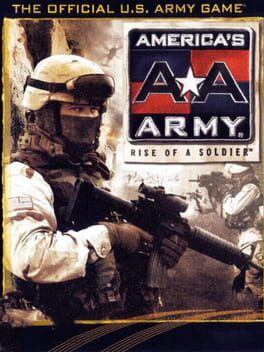
America's Army: Rise of a Soldier is a tactical first‑person shooter developed with the U.S. Army. Create a soldier, progress through a realistic army career, and lead a Special Forces team. The game offers both a single‑player campaign and online multiplayer supporting up to 16 players, with split‑screen options for local competition.
Project Reality 2 offers a highly realistic tactical shooter experience focused on teamwork and technical authenticity. Players engage in intense, cooperative firefights inspired by modern conflicts, featuring forces from multiple nations and insurgent groups. The game balances accessibility with depth, making it suitable for both military enthusiasts and gamers seeking challenging multiplayer combat.
- Deep career progression system
- Authentic military weapons and tactics
- Both single‑player and robust multiplayer modes
- Split‑screen support for local play
- Highly realistic combat mechanics
- Strong emphasis on teamwork
- Wide variety of national and insurgent forces
- Free to play with no mandatory purchases
- Limited to PlayStation 2 platform
- Graphics dated by modern standards
- Multiplayer community has dwindled over time
- Steep learning curve for new players
- Limited official single‑player content
- High system requirements for large battles
More alternatives & similar tools
Alternatives to America's Army: Rise of a Soldier
View all →

Experience authentic Army combat on Xbox 360 with tactical split‑screen action
Deep cooperative tactical shooter delivering realistic battlefield teamwork.
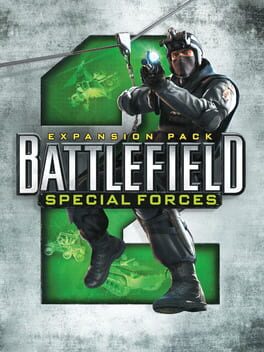
Alternatives to Project Reality 2
View all →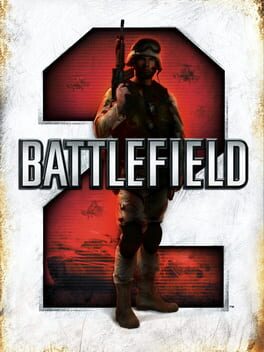
Tactical FPS where you rise from recruit to Special Forces leader.
The Verdict
AI-generated from listing dataProject Reality 2 offers free, large‑scale PC tactical combat with steep learning and high system demands, while America's Army: Rise of a Soldier provides a paid, console‑focused experience with career progression and split‑screen but dated graphics.
Key differences
- •Platform: Project Reality 2 is PC‑only; America's Army runs on PlayStation 2 (and Xbox version).
- •Price: Project Reality 2 is free; America's Army costs $19.99 one‑time.
- •Multiplayer scale: Project Reality 2 supports up to 100 players per map; America's Army caps at 16 players.
- •Single‑player content: America's Army includes a dedicated campaign; Project Reality 2 has limited official single‑player.
- •System requirements: Project Reality 2 needs high‑end PCs for large battles; America's Army runs on older console hardware.
Gameplay & fun factor
Project Reality 2 emphasizes realistic teamwork and large battles, appealing to tactical enthusiasts.
Platform availability
America's Army runs on PlayStation 2 (and Xbox), whereas Project Reality 2 is PC‑only.
Price & value
Project Reality 2 is free with no mandatory purchases; America's Army costs $19.99.
Multiplayer / co‑op
Supports up to 100 players versus America's Army's 16‑player limit.
Content & replayability
America's Army offers a single‑player campaign and career progression; Project Reality 2 lacks official solo content.
Difficulty & accessibility
America's Army has lower learning curve; Project Reality 2 is noted for a steep learning curve.
Graphics & performance
America's Army runs on older console hardware; Project Reality 2 requires high‑end PC for optimal performance.
Choose America's Army: Rise of a Soldier if…
Players on PS2/Xbox wanting a career mode, split‑screen and lower hardware demands.
Choose Project Reality 2 if…
PC gamers seeking realistic, large‑scale tactical combat and willing to handle steep learning.
Common questions
Is there any cost to start playing Project Reality 2?
No, it is free to play with no mandatory purchases.
What is the maximum number of players in each game?
Project Reality 2 supports up to 100 players per map; America's Army supports up to 16 players.
Can I play a single‑player campaign in Project Reality 2?
Not specified; the product notes limited official single‑player content.