


AMF Bowling 2004 vs AMF Xtreme Bowling 2006
Side-by-side comparison of features, pricing, ratings, and alternatives.
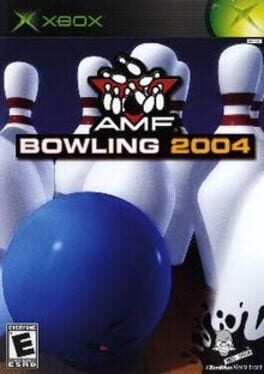
AMF Bowling 2004 delivers a true-to-life bowling experience with authentic sound effects, detailed ball, pin, and lane physics, and a variety of gameplay modes. Players can create and customize their own bowler, adjusting ball weight, color, and texture to suit their style. Compete in practice sessions, tournaments, or challenge professional bowlers and friends in single-player mode. The game offers precise control over position, speed, and ball velocity, making it ideal for both casual fans and serious bowling enthusiasts.
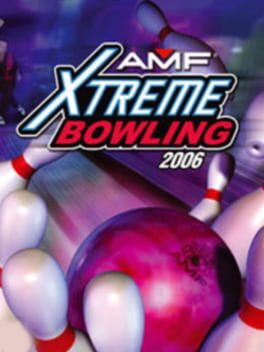
Experience the excitement of a night at the lanes with AMF Xtreme Bowling 2006. The game offers six distinct gameplay modes and nine different environments, keeping each match fresh and entertaining. Whether you’re playing alone or with a group, the customizable character creation and split‑screen multiplayer let you enjoy a realistic bowling experience on your PlayStation 2.
- Highly realistic physics and sound effects
- Extensive ball customization options
- Variety of gameplay modes
- Easy-to-learn controls for beginners
- Variety of modes keeps gameplay fresh
- Customizable characters add personal flair
- Split‑screen multiplayer is easy to set up
- Nostalgic PS2 graphics appeal to retro fans
- Limited to single-player only
- Graphics are dated by modern standards
- No online multiplayer or leaderboards
- Low critical rating reflects dated controls
- Limited to PlayStation 2 platform only
- Graphics and sound are basic by modern standards
More alternatives & similar tools
Alternatives to AMF Bowling 2004
View all →


Alternatives to AMF Xtreme Bowling 2006
View all →

The Verdict
AI-generated from listing dataBoth are single-purchase bowling games, but AMF Bowling 2004 offers more realistic physics and solo depth, while AMF Xtreme Bowling 2006 adds split‑screen multiplayer and more themed venues at the cost of poorer controls and a low critic score.
Key differences
- •Multiplayer: 2004 is single‑player only; 2006 supports split‑screen two‑player.
- •Physics realism: 2004 emphasizes accurate ball, pin, and lane physics; 2006 focuses on retro graphics, not physics detail.
- •Content variety: 2006 provides six game modes and nine themed alleys; 2004 offers practice and tournament modes but fewer visual themes.
- •Critical reception: 2006 has a documented critic score of 20/100, indicating low quality; 2004 has no score listed.
- •Platform: 2006 is PlayStation 2‑only; 2004’s platform isn’t specified, implying broader PC availability.
Gameplay & fun factor
2006 offers six modes, party styles, and split‑screen play, giving more varied fun than 2004’s solo‑only modes.
Platform availability
2004’s platform isn’t limited to PS2, whereas 2006 is PS2‑only, restricting where it can be played.
Price & value
Both are one‑time paid titles with no price listed beyond 2004’s $19.99; value depends on desired features.
Multiplayer / co‑op
2006 includes split‑screen multiplayer; 2004 is single‑player only.
Content & replayability
2006’s nine venues and six modes provide more replay options than 2004’s practice/tournament focus.
Difficulty & accessibility
2004’s easy‑to‑learn controls and realistic physics aid skill development; 2006 has low critic rating for dated controls.
Graphics & performance
2004’s graphics are dated but not labeled as poor; 2006 is noted as basic and retro, with low critical reception.
Choose AMF Bowling 2004 if…
Bowling purists who want realistic solo play and skill development.
Choose AMF Xtreme Bowling 2006 if…
Casual gamers seeking local multiplayer and themed variety.
Common questions
Can I play either game online with friends?
No. Both are offline titles; 2004 is single‑player only, 2006 only supports split‑screen on the same console.
Which game offers more variety in bowling locations?
AMF Xtreme Bowling 2006 provides nine uniquely themed alleys, whereas 2004 does not specify multiple venues.
Is the lower critic score of 2006 a concern?
Yes; 2006 has a documented critic score of 20/100, indicating poor reception, especially for controls and overall quality.