


Angry Birds vs Toki Tori
Side-by-side comparison of features, pricing, ratings, and alternatives.
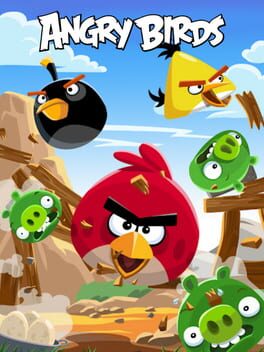

Angry Birds is a physics-based puzzle video game developed by Rovio Entertainment where players use a slingshot to launch birds at structures and defeat green-colored pigs. The survival of the flock is at stake, requiring players to utilize logic, skill, and unique bird powers to demolish enemy defenses across numerous challenging levels. Featuring hours of addictive gameplay and high replay value, the game combines strategy and destruction as you exact revenge on the Bad Piggies. With intuitive mechanics and increasingly complex physics puzzles, it remains a timeless classic across multiple gaming platforms.
Toki Tori puts you in control of a determined little yellow chicken on a mission to save all the lost eggs. Using a toolbox of ten distinct items, you navigate four mysterious worlds filled with over 60 challenging levels that blend platforming with brain‑teasing puzzles. The game’s charming indie style and kid‑friendly humor make it perfect for players of all ages, while its strategic depth rewards careful planning and creative problem‑solving. Available across a wide range of platforms, Toki Tori delivers the same delightful experience on consoles, PCs, and mobile devices.
- Addictive and engaging physics puzzle gameplay
- Challenging levels that require strategy and skill
- Available across a wide variety of gaming platforms
- Family-friendly design with wide demographic appeal
- Charming visual style
- Varied toolbox encourages creativity
- Broad platform availability
- Accessible difficulty for young players
- Can become repetitive over extended play sessions
- Some levels rely heavily on trial and error
- Limited gameplay variety compared to modern spin-offs
- Limited replayability after completing all levels
- No multiplayer or co‑op mode
- Some levels can feel overly trial‑and‑error
More alternatives & similar tools
Alternatives to Angry Birds
View all →


Alternatives to Toki Tori
View all →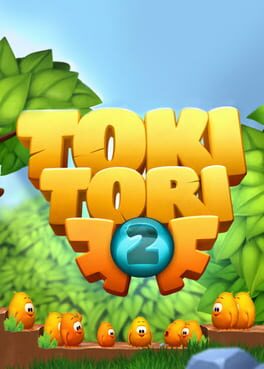


The Verdict
AI-generated from listing dataAngry Birds offers a cheap, physics‑based puzzle experience with broad platform support, while Toki Tori provides richer content and higher critical praise at a higher price.
Key differences
- •Price: Angry Birds costs $0.99 vs Toki Tori $9.99.
- •Content volume: Toki Tori has over 60 handcrafted levels; Angry Birds mentions “hours of gameplay” but no exact count.
- •Critic scores: Angry Birds 75/100, Toki Tori 80/100.
- •Platform reach: Both are multi‑platform, but Angry Birds lists PlayStation 3 and “cross‑platform” without full list; Toki Tori explicitly supports six platforms including Switch.
- •Gameplay style: Angry Birds is a slingshot physics puzzle; Toki Tori blends platforming with puzzle tools.
Gameplay & fun factor
Toki Tori combines platforming and 10 tools for varied puzzles, offering deeper mechanics than Angry Birds' single‑slingshot approach.
Platform availability
Toki Tori lists six platforms (PS3, Linux, Android, PC, iOS, Mac, Switch); Angry Birds only mentions PS3 and vague cross‑platform.
Price & value
Angry Birds costs $0.99, far cheaper than Toki Tori's $9.99, giving better upfront value.
Multiplayer / co‑op
Both are single‑player only.
Content & replayability
Toki Tori provides 60+ handcrafted levels; Angry Birds gives unspecified “hours” and may become repetitive.
Difficulty & accessibility
Angry Birds targets casual gamers of all ages with simple slingshot controls; Toki Tori, while kid‑friendly, adds tool complexity.
Graphics & performance
Toki Tori features pixel‑art with smooth animation; Angry Birds description lacks visual detail.
Choose Angry Birds if…
Budget‑conscious casual players who want quick, easy physics puzzles.
Choose Toki Tori if…
Players seeking more levels, higher critical acclaim, and richer puzzle‑platform gameplay.
Common questions
Which game is cheaper?
Angry Birds costs $0.99; Toki Tori costs $9.99.
Which offers more levels or content?
Toki Tori provides over 60 handcrafted levels; Angry Birds mentions hours of gameplay but no exact level count.
Do either games support multiplayer?
Both are single‑player only.