


Anubis II vs Tutankham
Side-by-side comparison of features, pricing, ratings, and alternatives.
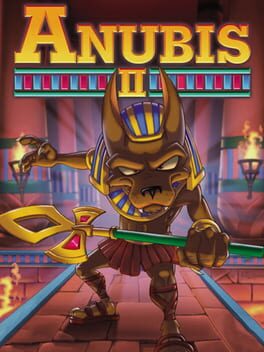
An ancient evil spirit, Mumm'hotep, has plunged Egypt into darkness. The gods dispatch the warrior Anubis, armed with the scepter of Ra and Kanopic bombs, to lift the curse and restore the land. Players guide Anubis through nine levels, solving platform puzzles, battling legions of enemies, and locating eight hidden pyramids per stage to unlock the portal to the next area. The game offers a third‑person view, staff‑swing attacks, and lock‑on energy projectiles, delivering a classic action‑platform experience.
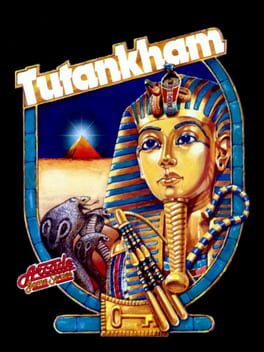
In Tutankham you play as a daring explorer raiding the tomb of the Egyptian pharaoh. The arcade‑style action combines maze navigation, platforming and shoot‑'em‑up combat as you dodge asps, bats, dragons and ancient curses. Each level is timed, filled with locked doors, keys and optional treasure, and gives you a single flash‑bomb to clear the screen. Warp zones teleport you around the map, adding strategic depth while enemies stay behind.
- Simple, responsive controls
- Distinct Egyptian visual theme
- Varied level layouts keep gameplay fresh
- Short sessions suitable for quick play
- Fast-paced, easy-to-learn gameplay
- Varied enemy types keep encounters fresh
- Strategic use of warp zones and flash bomb
- High replay value through score chasing
- Outdated graphics and textures
- Enemy designs become repetitive
- Low critical score reflects overall polish
- Limited firing directions restrict combat tactics
- Single-screen layout can feel cramped
- Timer can be unforgiving for new players
More alternatives & similar tools
Alternatives to Anubis II
View all →
Embark on a 3,000‑year‑old Egyptian quest to reunite Osiris' seven spirits.
Alternatives to Tutankham
View all →The Verdict
AI-generated from listing dataAnubis II offers a single‑player, Egyptian‑themed platform adventure with more levels, while Tutankham adds multiplayer and faster, shooter‑style action.
Key differences
- •Multiplayer support: Anubis is single‑player only; Tutankham includes both single‑player and multiplayer modes.
- •Combat style: Anubis uses melee swings plus lock‑on energy balls; Tutankham fires left/right lasers with a single flash bomb per life.
- •Level structure: Anubis has nine distinct levels with hidden pyramids; Tutankham relies on warp zones, keys, and a level timer.
- •Critical reception: Anubis has a documented critic score of 30/100, indicating low polish; Tutankham has no critic score listed.
- •Release era: Anubis (2005) features more modern (though outdated) 3D graphics; Tutankham (1982) is a classic 2D arcade style.
Gameplay & fun factor
Tutankham’s fast‑paced shooting and warp‑zone strategy generally deliver higher excitement than Anubis’s slower platforming.
Platform availability
Both are paid one‑time titles; no specific platform information is provided for either.
Pricing & value
Both are listed as paid one‑time purchases; price amounts are not specified.
Multiplayer / co‑op
Tutankham supports both single‑player and multiplayer, whereas Anubis is single‑player only.
Content & replayability
Anubis offers nine levels each with eight hidden pyramids, providing more exploration content than Tutankham’s key‑collecting levels.
Difficulty & accessibility
Anubis has repetitive enemies; Tutankham’s timer can be unforgiving—both present distinct difficulty challenges.
Graphics & performance
Anubis is noted for outdated graphics; Tutankham’s graphics are retro but no criticism is given, making them comparable.
Choose Anubis II if…
Players who prefer single‑player, exploration‑heavy platformers with Egyptian theme and more hidden content.
Choose Tutankham if…
Players who want multiplayer, quick shooter action, and higher replay value through score chasing.
Common questions
Is either game cheaper or free?
Both are listed as paid one‑time purchases; no price amounts are provided.
Can I play with friends?
Only Tutankham offers multiplayer; Anubis is single‑player only.
Which game has better critical reception?
Anubis II has a documented critic score of 30/100, indicating poor reception; Tutankham has no critic score listed.