


Armored Moon: The Next Eden vs KKnD2: Krossfire
Side-by-side comparison of features, pricing, ratings, and alternatives.
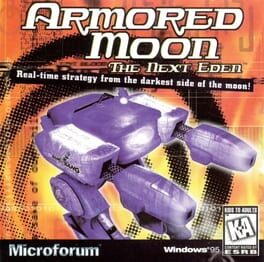
Armored Moon: The Next Eden drops players onto a contested lunar colony where strategic depth meets sci‑fi warfare. Command armored units, manage resources, and outmaneuver opponents in both single‑player campaigns and competitive multiplayer matches. The game blends classic real‑time strategy mechanics with a gritty, near‑future setting, offering diverse unit types, customizable tech trees, and dynamic terrain that influences tactical decisions. Its 1998 release still holds appeal for fans of retro RTS design.
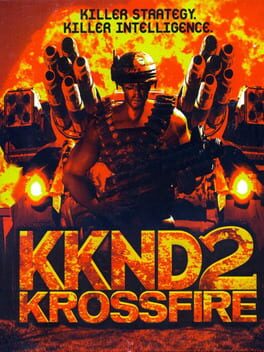
In the year 2179, a century after a world‑ending nuclear war, the Survivors emerge from underground bunkers to reclaim the surface. They face the mutated Evolved and a new threat: the vengeful Series 9 farming robots turned war machines. The game pits these three factions against each other in a real‑time strategy campaign, offering both single‑player missions and split‑screen multiplayer battles across a devastated, sci‑fi landscape.
- Deep tech‑tree customization
- Dynamic terrain adds tactical depth
- Robust multiplayer support
- Retro RTS feel with modern mechanics
- Distinct factions provide varied gameplay styles.
- Split‑screen mode adds local multiplayer fun.
- Rich post‑apocalyptic setting with detailed lore.
- Deep base‑building and upgrade systems.
- Outdated graphics by today’s standards
- Steep learning curve for new RTS players
- Limited platform availability
- Graphics are dated by modern standards.
- AI can be predictable in higher difficulties.
- Limited online multiplayer options.
More alternatives & similar tools
Alternatives to Armored Moon: The Next Eden
View all →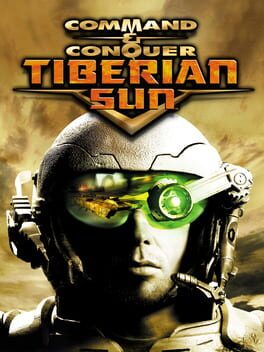
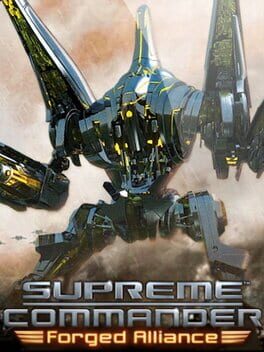
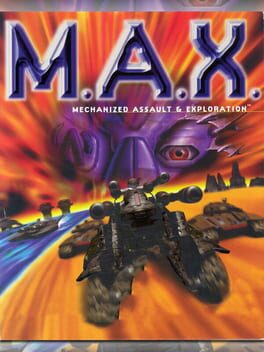
Command giant mechs in a futuristic war of strategy and action
Alternatives to KKnD2: Krossfire
View all →
The Verdict
AI-generated from listing dataBoth are 1998 one‑time‑purchase RTSs with dated graphics; KKnD2 offers distinct factions and local split‑screen, while Armored Moon provides deeper tech‑tree customization and broader multiplayer modes.
Key differences
- •Faction variety: KKnD2 has three unique armies; Armored Moon uses a single human force with unit customization.
- •Multiplayer style: KKnD2 includes split‑screen local play; Armored Moon focuses on online/co‑op matches.
- •Tech depth: Armored Moon features a branching tech tree and load‑out customization; KKnD2 offers upgrade trees but less specialization.
- •Setting: KKnD2 is post‑apocalyptic Earth; Armored Moon is futuristic lunar warfare.
- •AI behavior: Armored Moon’s AI adapts strategy; KKnD2’s AI can be predictable at higher difficulties.
Pricing & value
Both are paid one‑time purchases; no price differences are specified.
Gameplay & fun factor
KKnD2 offers three distinct factions and split‑screen, giving varied playstyles and local competition.
Platform availability
KKnD2 lists no platform limits; Armored Moon notes limited platform availability.
Multiplayer / co‑op
Armored Moon supports both cooperative and competitive online modes; KKnD2 only supports split‑screen for up to two players.
Content & replayability
Armored Moon’s branching tech tree and customizable load‑outs increase strategic replay value.
Difficulty & accessibility
KKnD2’s AI can be predictable, making it easier for newcomers; Armored Moon has a steep learning curve.
Graphics & performance
Both are described as having outdated graphics by modern standards.
Choose Armored Moon: The Next Eden if…
Players who prioritize deep tech‑tree customization, online multiplayer, and a futuristic lunar setting.
Choose KKnD2: Krossfire if…
Players who want varied factions, local couch multiplayer, and a classic post‑apocalyptic vibe.
Common questions
Do either games support online multiplayer?
Armored Moon supports online multiplayer (co‑op and competitive); KKnD2 only offers split‑screen local multiplayer.
Which game has more strategic depth in unit customization?
Armored Moon provides a branching tech tree and customizable load‑outs, offering deeper unit customization than KKnD2.
Are the graphics comparable?
Both are noted as having outdated graphics by today’s standards; no distinction is given.