


Asmik-kun World 2 vs Sindbad Mystery
Side-by-side comparison of features, pricing, ratings, and alternatives.
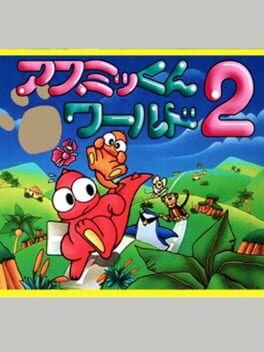
Asmik‑kun World 2 is a 1991 Game Boy title from Asmik that challenges players to construct safe pathways from entrance to exit while avoiding enemies. Each level requires careful planning to rescue kidnapped children and guide them home, embodying the trap‑em‑up genre popular in early arcade classics. Never released outside Japan, the game offers single‑player puzzle action with retro graphics and a unique road‑building mechanic that tests both strategy and reflexes. Its quirky charm and challenging level design make it a hidden gem for fans of classic handheld gaming.
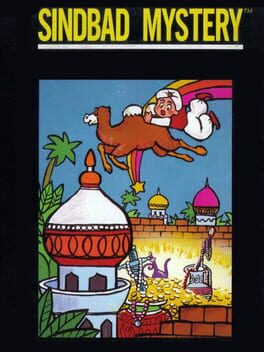
Sindbad Mystery is a 1983 arcade puzzle‑action title from Sega, where you guide a boy named Sindbad through maze‑like levels, avoiding monsters while assembling a treasure map. The gameplay blends Pac‑Man style navigation with a digging mechanic that lets you trap enemies, reminiscent of Heiankyo Alien and Space Panic. Originally released for Sega's G80 hardware and the SG‑1000, the game was later included in the Sega Ages Memorial Selection Vol. 2 for the Saturn, preserving its retro charm for modern collectors.
- Unique road‑construction gameplay
- Challenging trap‑em‑up mechanics
- Authentic 1990s handheld graphics
- Single‑player focus for solo enjoyment
- Authentic 1980s arcade feel
- Simple yet challenging maze mechanics
- Unique digging feature adds strategic depth
- Compact play sessions suitable for quick gaming
- Japan‑only release limits accessibility
- No modern save or checkpoint system
- Monochrome display may feel dated
- Limited to single‑player only
- Graphics may feel dated to modern players
- Hard to find on current mainstream platforms
More alternatives & similar tools
Alternatives to Asmik-kun World 2
View all →Navigate mazes, trap monsters, and piece together a treasure map in classic arcade action
Alternatives to Sindbad Mystery
View all →
Build roads, rescue kids, and outsmart traps in this classic Japanese puzzle‑action game.
The Verdict
AI-generated from listing dataSindbad Mystery offers classic arcade maze action with digging mechanics, while Asmik‑kun World 2 provides a road‑building puzzle with trap challenges; choose based on whether you prefer fast‑paced maze chasing or strategic road placement.
Key differences
- •Core gameplay: maze navigation & monster chase vs road‑tile placement & trap avoidance.
- •Visual style: retro pixel art with chiptune music (1983) vs monochrome Game Boy graphics (1991).
- •Release region: worldwide reissues for Sindbad vs Japan‑only original for Asmik‑kun World 2.
- •Level progression: monster pattern complexity vs increasing trap and layout variety.
- •Platform legacy: originally Sega G80/Saturn hardware vs Game Boy handheld.
Gameplay & fun factor
Sindbad’s chase‑and‑dig mechanics give fast, arcade‑style excitement; Asmik‑kun focuses on slower road planning.
Platform availability
Sindbad has been reissued on modern platforms; Asmik‑kun remains a Japan‑only Game Boy title.
Pricing & value
Both are paid one‑time purchases with similar price expectations.
Multiplayer / co‑op
Both support only single‑player modes.
Content & replayability
Sindbad offers high‑score competition across many maze levels; Asmik‑kun’s limited lives and static stages reduce replay loops.
Difficulty & accessibility
Asmik‑kun’s limited lives and trap timing can be harsher for casual players than Sindbad’s incremental maze difficulty.
Graphics & performance
Sindbad’s pixel art and chiptune audio feel less dated than Asmik‑kun’s monochrome Game Boy visuals.
Choose Asmik-kun World 2 if…
Players seeking a unique road‑building puzzle and don’t mind Japan‑only, monochrome retro.
Choose Sindbad Mystery if…
Players who love classic arcade maze chases and want broader platform access.
Common questions
Can I play either game on modern consoles?
Sindbad Mystery has been reissued on newer platforms; Asmik‑kun World 2 remains a Japan‑only Game Boy release.
Which game offers more replay value?
Sindbad Mystery emphasizes high‑score competition across many levels, giving higher replayability than Asmik‑kun’s fixed stages.
Do either of the games support multiplayer?
Both titles are single‑player only.