


Atelier Rorona: The Alchemist of Arland vs Atelier Totori: The Adventurer of Arland
Side-by-side comparison of features, pricing, ratings, and alternatives.
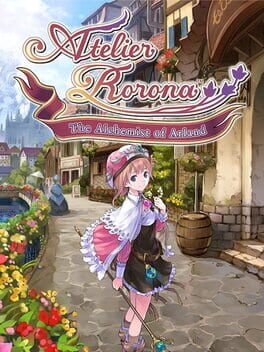
Players explore field maps, gather ingredients, and experiment with the alchemy system to create items that aid in battles and story progression. Each task challenges players to manage time, resources, and relationships, delivering a balanced mix of strategy and narrative.
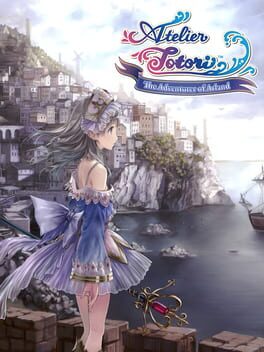
Atelier Totori: The Adventurer of Arland follows young alchemist Totori as she sets out to become a great adventurer, exploring the world beyond her fishing village. The game blends classic Atelier alchemy mechanics with open‑world exploration, turn‑based combat, and deep character relationships. As the twelfth entry in the Atelier series and the second Arland title, it builds on the story of Atelier Rorona while introducing new synthesis options, multiple story paths, and a vibrant fantasy setting that rewards curiosity and creativity.
- Deep alchemy system with extensive recipe discovery
- Engaging visual‑novel storytelling
- Strategic turn‑based combat
- Rich 3D world and character models
- Engaging alchemy and synthesis system
- Rich, character‑focused story
- Open‑world exploration adds variety
- Multiple endings increase replay value
- Limited to PlayStation 3 platform
- Time‑restricted tasks can feel pressuring
- Some UI elements feel dated
- Graphics are dated by modern standards
- Turn‑based combat can feel slow for some players
- Limited platform availability (PS3 only)
More alternatives & similar tools
Alternatives to Atelier Rorona: The Alchemist of Arland
View all →
Embark on a two‑year alchemical quest to rescue a missing sister in a mystical dusk world
Alchemical adventure in a world on the brink of Dusk
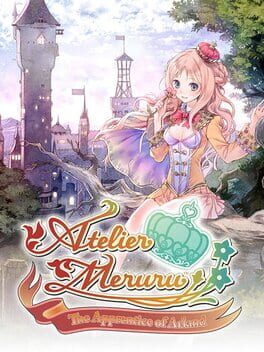
A charming turn‑based JRPG where a princess alchemist leads her escorts to rebuild a kingdom.
Embark on a heartfelt alchemy adventure beyond the village of Alanya
Alternatives to Atelier Totori: The Adventurer of Arland
View all →Embark on a two‑year alchemical quest to rescue a missing sister in a mystical dusk world
Alchemical adventure in a world on the brink of Dusk
A charming turn‑based JRPG where a princess alchemist leads her escorts to rebuild a kingdom.
Embark on a 12‑task alchemy adventure in a vibrant fantasy world.
The Verdict
AI-generated from listing dataAtelier Rorona offers a higher‑budget, critically stronger, structured alchemy experience at $59.99, while Atelier Totori provides a cheaper ($39.99), open‑world, multiple‑ending adventure with similar core systems.
Key differences
- •Price: Rorona $59.99 vs Totori $39.99.
- •Structure: Rorona uses twelve timed tasks; Totori features open‑world exploration.
- •Replayability: Totori includes multiple endings; Rorona does not mention them.
- •Critic scores: Rorona 78/100 vs Totori 72/100.
- •Content focus: Totori emphasizes character‑driven story and side quests; Rorona emphasizes task‑driven time management.
Gameplay & fun factor
Both share turn‑based combat and deep alchemy; one is task‑driven, the other open‑world, appealing differently.
Platform availability
Both are limited to PlayStation 3 only.
Price & value
Totori costs $20 less while offering open world and multiple endings, giving more content per dollar.
Multiplayer / co‑op
Both are single‑player only.
Content & replayability
Totori provides multiple endings and side quests; Rorona’s replay value is not specified.
Difficulty & accessibility
Rorona’s structured tasks may guide new players better than Totori’s open world.
Graphics & performance
Both are PS3 titles with dated graphics; no distinction given.
Choose Atelier Rorona: The Alchemist of Arland if…
Players who prefer guided, task‑based progression and higher critical acclaim, and don’t mind a higher price.
Choose Atelier Totori: The Adventurer of Arland if…
Players who want a cheaper, open‑world experience with multiple endings and more exploration.
Common questions
Is the higher price of Rorona justified?
Rorona costs $59.99 and has a higher critic score (78) but offers a more limited, timed‑task structure.
Which game offers more replay value?
Totori mentions multiple endings and side quests, giving it more replay potential than Rorona.
Do either of these support co‑op play?
No; both are single‑player only.