


BackupBuddy vs VaultPress
Side-by-side comparison of features, pricing, ratings, and alternatives.
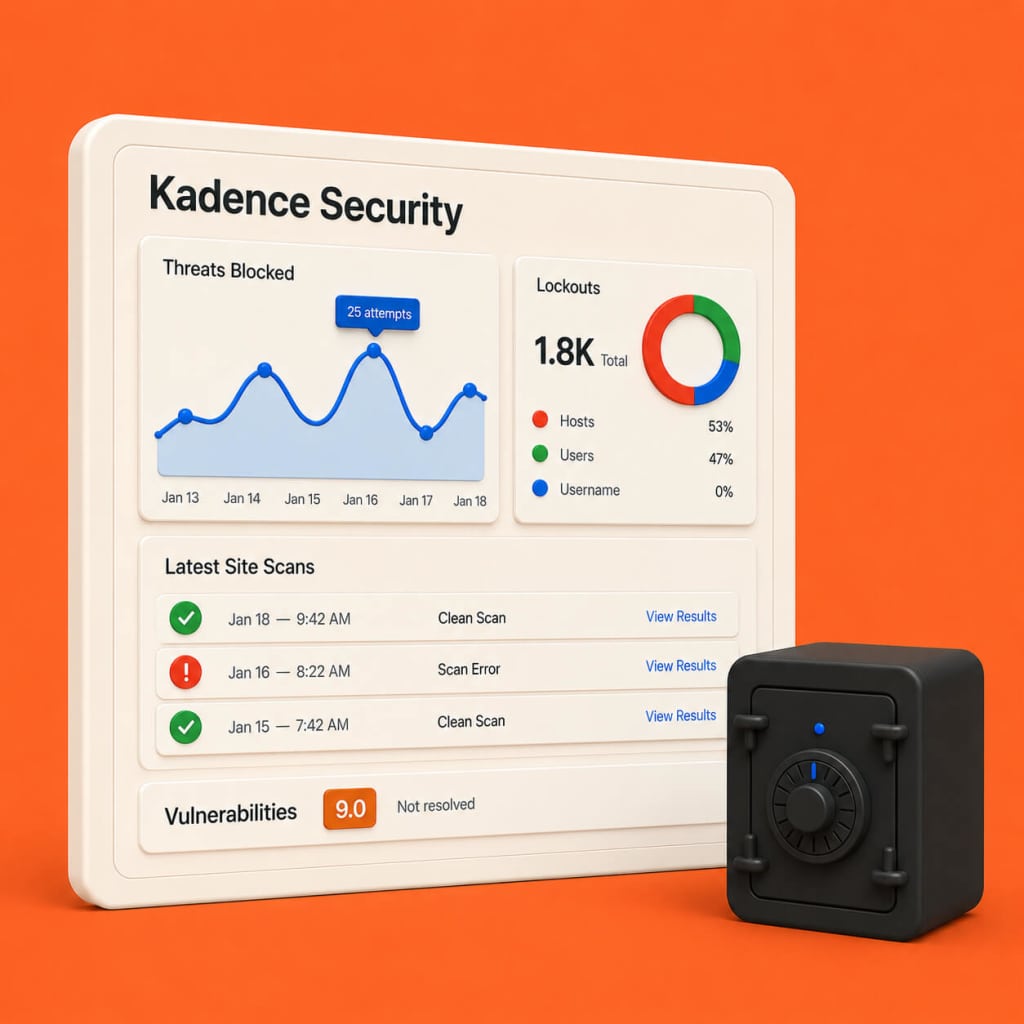
BackupBuddy is a comprehensive WordPress backup solution that lets you schedule automatic backups, store them off‑site, and restore your site with a single click. It also includes migration tools for moving sites between hosts without downtime. Designed for developers, agencies, and site owners, BackupBuddy integrates with popular cloud storage services and provides detailed logs to keep you in control of every backup operation.
VaultPress offers automated, real-time backups and security scanning for WordPress websites. It stores data on Automattic's robust cloud infrastructure, ensuring quick recovery from hacks or data loss. The service includes one-click restores, malware detection, and continuous monitoring, making it a comprehensive protection solution for bloggers, businesses, and developers who need reliable site safety.
- Easy one‑click backup and restore
- Supports multiple offsite storage providers
- Built‑in migration wizard
- Detailed logs and email alerts
- Instant, real-time backups
- One-click site restoration
- Built‑in malware detection
- Managed by Automattic’s reliable infrastructure
- One‑time purchase can be pricey for small sites
- Limited to WordPress only
- No built‑in incremental backup; full backups each run
- No free tier beyond trial
- Limited to WordPress only
- Pricing can be high for multiple sites
More alternatives & similar tools
Alternatives to BackupBuddy
View all →


Alternatives to VaultPress
View all →The Verdict
AI-generated from listing dataVaultPress offers real‑time, managed backups with a 99.9% SLA but requires an ongoing subscription, while BackupBuddy provides one‑time purchase backups with flexible off‑site storage but only full backups each run.
Key differences
- •Backup method: VaultPress does instant incremental backups; BackupBuddy creates scheduled full backups only.
- •Pricing model: VaultPress is a recurring subscription; BackupBuddy is a one‑time purchase.
- •Storage location: VaultPress stores data in Automattic’s distributed cloud; BackupBuddy lets you choose S3, Google Drive, Dropbox, FTP/SFTP, etc.
- •Backup granularity: VaultPress offers one‑click restore of entire site or individual files; BackupBuddy also restores whole site or files but requires full backup sets.
- •Migration tools: BackupBuddy includes a built‑in migration wizard; VaultPress does not mention migration features.
Pricing & value
BackupBuddy’s one‑time fee avoids ongoing costs, making it cheaper over the long term for static site counts.
Uptime & reliability
VaultPress guarantees 99.9% uptime via an SLA; BackupBuddy provides no uptime guarantee.
Performance
Both operate on WordPress sites only; no performance metrics are provided to differentiate.
Developer experience
VaultPress offers real‑time incremental backups and activity logs, reducing backup windows and improving insight.
Regions & compliance
VaultPress uses Automattic’s geographically distributed cloud; BackupBuddy lets you pick storage locations, so flexibility is comparable.
Support
Neither product description specifies support levels or response times.
Lock‑in
BackupBuddy stores backups on user‑chosen services, reducing vendor lock‑in; VaultPress stores data only in Automattic’s cloud.
Choose BackupBuddy if…
Best for budget‑conscious users who prefer one‑time payment and control over backup storage.
Choose VaultPress if…
Best for sites needing continuous, automated protection and willing to pay a subscription.
Common questions
Which solution is cheaper over several years?
BackupBuddy’s one‑time purchase avoids recurring fees, typically costing less over multiple years than VaultPress’s subscription.
Can I restore a single file quickly?
VaultPress offers instant one‑click restores of individual files; BackupBuddy can restore files but requires a full backup set.
Do I have to store backups in the vendor’s cloud?
VaultPress stores backups only in Automattic’s cloud; BackupBuddy lets you choose external storage providers like S3, Google Drive, or FTP.