


Battletoads vs Socket
Side-by-side comparison of features, pricing, ratings, and alternatives.
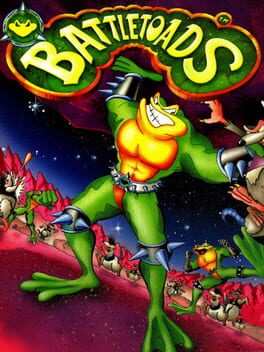
Battletoads is the inaugural entry in the series, blending side‑scrolling platform action with beat‑em‑up combat, vehicle sections, and climbing challenges. Players control Rash, Zitz, or Pimple as they battle the Dark Queen’s forces to rescue Princess Angelica across sci‑fi themed levels. The game features a simple life system, six hit points replenished by flies, and no save or password functionality, making each run a test of skill. Renowned for its difficulty, it’s often cited among the toughest games ever made, earning a spot on IGN’s top difficult games list.
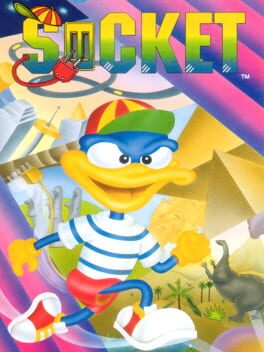
Socket stars a sassy duck who zips through levels wielding an electric cord, delivering rapid‑fire attacks and electrifying moves. The game blends classic side‑scrolling beat‑em‑up mechanics with quirky humor and high‑energy gameplay for a nostalgic 90s arcade feel. Developed and published by Vic Tokai in 1993, Socket offers single‑player action that challenges players to master speed, timing, and cord‑based combos across vibrant, electrically charged stages.
- Iconic retro difficulty that rewards mastery
- Varied level design keeps gameplay fresh
- Co‑op mode adds strategic teamwork
- Humorous sci‑fi storyline adds charm
- Unique electric‑cord combat system
- High replay value due to fast pacing
- Charming retro aesthetic
- Solid boss design with varied mechanics
- No save or password system makes progress unforgiving
- High difficulty may deter casual players
- Limited modern platform availability
- Limited to single‑player mode
- Difficult to master for casual players
- Graphics may feel dated to modern eyes
More alternatives & similar tools
Alternatives to Battletoads
View all →
Alternatives to Socket
View all →
The Verdict
AI-generated from listing dataBattletoads offers co‑op play and diverse level types but punishes lack of saves; Socket is a single‑player, fast‑paced duck beat‑em‑up with a unique electric‑cord mechanic.
Key differences
- •Multiplayer: Battletoads supports up to 2‑player co‑op, Socket is single‑player only.
- •Level variety: Battletoads includes foot races, climbing walls, vehicle sections; Socket sticks to side‑scrolling stages with electric hazards.
- •Save system: Battletoads has no save or password, requiring one‑sitting play; Socket’s save features are not specified.
- •Combat focus: Battletoads uses simple attacks with occasional combos; Socket centers on an electric‑cord combo system.
- •Release era and developer: Battletoads (1991, Rare) vs Socket (1993, Vic Tokai) may affect retro aesthetic preferences.
Gameplay & fun factor
Battletoads mixes platforming, racing, and vehicle sections, offering broader gameplay variety than Socket's straight side‑scroll beat‑em‑up.
Platform availability
Both are retro titles with no modern platform details provided; availability is unspecified for both.
Price & value
Both are paid one‑time purchases; no price differences are given.
Multiplayer / co‑op
Battletoads includes cooperative multiplayer for up to two players; Socket is single‑player only.
Content & replayability
Battletoads' varied level designs and co‑op encourage replay; Socket’s replay value relies on speed and combos only.
Difficulty & accessibility
Socket is described as difficult but lacks the unforgiving no‑save constraint that makes Battletoads harder for casual players.
Graphics & performance
Both are retro graphics; Socket’s visuals are noted as potentially dated, Battletoads’ graphics are not described.
Choose Battletoads if…
Players who want co‑op action and diverse level types, and don’t mind high difficulty.
Choose Socket if…
Solo gamers seeking a fast‑paced, unique combat system and can tolerate retro graphics.
Common questions
Can I play Battletoads with a friend?
Yes, Battletoads supports cooperative multiplayer for up to two players.
Is there any way to save progress in either game?
Battletoads has no save or password system; Socket’s save capabilities are not specified.
Which game offers more variety in level design?
Battletoads includes foot races, climbing walls, and vehicle sections, while Socket stays within side‑scrolling electric‑hazard levels.