


BloodNet vs Vampire: The Masquerade - Bloodlines
Side-by-side comparison of features, pricing, ratings, and alternatives.


You play a freelance hacker who gets tangled in a secret society of night‑stalkers, blending high technology with ancient horror. The game thrusts you into a gritty future where every decision can mean life or death. BloodNet mixes point‑and‑click adventure, puzzle solving, and role‑playing elements to deliver a tense, atmospheric experience. Its 1993 retro graphics and synth‑driven soundtrack immerse you in a world of neon streets and blood‑soaked intrigue.
Set in modern‑day Los Angeles, Vampire: The Masquerade – Bloodlines lets you create a vampire and navigate the secretive world of the Kindred. Your choices shape alliances, enemies, and the fate of the city’s supernatural underbelly. The game blends first‑person shooting, stealth, and dialogue‑heavy role‑playing, offering multiple clans, powers, and moral dilemmas that affect the story’s outcome.
- Rich cyber‑punk atmosphere with detailed world‑building.
- Blend of RPG, adventure, and puzzle mechanics.
- Multiple endings based on player choices.
- Classic retro graphics and soundtrack.
- Deep, branching narrative
- Distinctive clan abilities
- Atmospheric open‑world setting
- Strong character writing
- Interface feels dated by modern standards.
- Combat can be slow and repetitive.
- Limited save system may frustrate some players.
- Outdated graphics
- Occasional bugs and crashes
- Limited save system
More alternatives & similar tools
Alternatives to BloodNet
View all →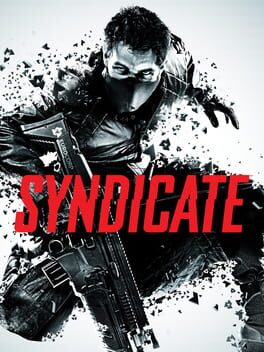

A dark, narrative‑driven RPG where you walk the line between humanity and monster.

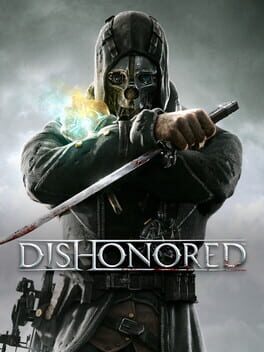
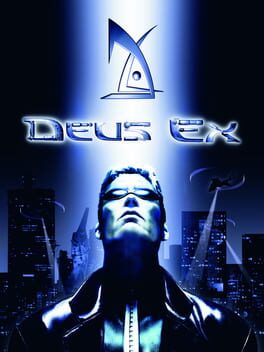
Alternatives to Vampire: The Masquerade - Bloodlines
View all →
A dark, action‑packed RPG where you hunt the night across centuries

The Verdict
AI-generated from listing dataBoth games cost $19.99, but BloodNet offers a retro, turn‑based cyber‑punk experience, while Vampire: The Masquerade – Bloodlines provides a more modern, real‑time open‑world RPG with deeper replay value.
Key differences
- •Combat style: BloodNet is turn‑based; Bloodlines is real‑time with firearms and powers.
- •Replayability: Bloodlines adds clan selection and varied dialogue; BloodNet relies mainly on multiple endings.
- •Setting & tone: BloodNet is a cyber‑punk noir world; Bloodlines is a contemporary vampire‑focused Los Angeles.
- •Technical maturity: Bloodlines has known bugs and crashes; BloodNet’s interface feels dated but is stable.
- •Release era: BloodNet (1993) uses retro graphics; Bloodlines (2004) has more advanced, though still outdated, visuals.
Pricing & value
Both priced at $19.99 one‑time purchase.
Gameplay & fun factor
Bloodlines offers real‑time combat and clan abilities, generally considered more engaging than BloodNet’s slower turn‑based fights.
Multiplayer / co‑op
Both are single‑player only.
Content & replayability
Bloodlines adds clan selection and divergent dialogue, giving higher replay value than BloodNet’s multiple endings.
Difficulty & accessibility
Neither provides detailed difficulty settings; BloodNet’s dated UI may hinder accessibility, while Bloodlines suffers from occasional bugs.
Graphics & performance
Bloodlines (2004) has more advanced graphics than BloodNet’s 1993 retro visuals, though both are dated by modern standards.
Platform availability
No platform information provided for either title.
Choose BloodNet if…
Ideal for players who love classic cyber‑punk aesthetics, turn‑based puzzles, and don’t mind retro graphics.
Choose Vampire: The Masquerade - Bloodlines if…
Best for gamers seeking a modern RPG with real‑time combat, clan variety, and higher replay depth.
Common questions
Do both games support modern operating systems?
Platform availability is not specified in the provided data for either title.
Which game offers more story branching?
Both have multiple endings, but Bloodlines adds clan‑specific dialogue and quests, increasing branching.
Is there any multiplayer component?
No; both are single‑player experiences.