


Braid vs Quantum Conundrum
Side-by-side comparison of features, pricing, ratings, and alternatives.
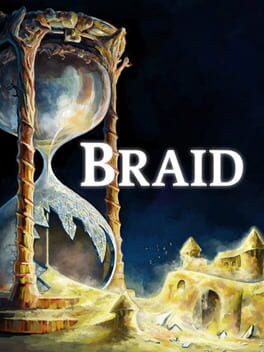
Braid is a painterly puzzle‑platformer where each of its six worlds grants a unique time‑control ability, from rewinding to objects immune to time. The player guides Tim through intricate levels, using these mechanics to uncover a cryptic story about desire, forgiveness, and the nature of reality. The game challenges players to think backwards and forwards, offering a minimalist experience without filler. Its ambiguous narrative and thoughtful design have earned critical acclaim and lasting discussion among gamers and critics alike.
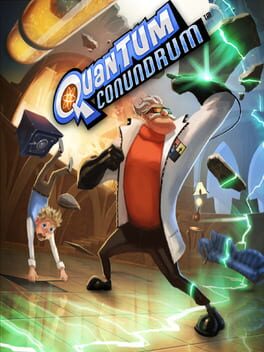
You play as a kid left at his eccentric uncle’s mansion, where the professor has vanished. Using the Inter‑Dimensional Shift Device, you toggle between alternate realities to navigate impossible rooms and uncover the mystery. Each dimension rewrites physics—gravity, size, speed—forcing you to think creatively to progress. The game blends humor, sci‑fi tech, and classic platforming into a tightly crafted puzzle adventure.
- Innovative time‑control mechanics
- Beautiful hand‑drawn art style
- Deep, thought‑provoking narrative
- High critical acclaim
- Innovative dimension‑shifting mechanics
- Humorous writing and charming characters
- Well‑crafted puzzles with increasing complexity
- Accessible difficulty suitable for all ages
- Some puzzles can be extremely challenging
- Story is intentionally vague, which may frustrate players seeking clarity
- Limited replay value after mastering all levels
- Limited content length compared to larger titles
- No multiplayer or co‑op options
- Occasional camera angles can be frustrating
More alternatives & similar tools
Alternatives to Braid
View all →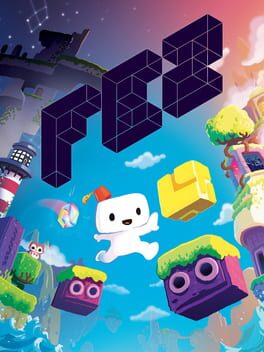
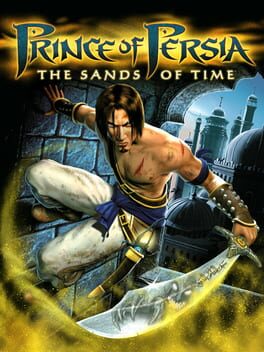
Alternatives to Quantum Conundrum
View all →
Explore an impossible mind-bending world of non-Euclidean puzzles and psychological exploration.
The Verdict
AI-generated from listing dataBoth games cost $19.99 and are single‑player puzzles, but Braid offers higher critical acclaim and deeper narrative at the cost of tougher puzzles, while Quantum Conundrum provides a lighter, more accessible experience with unique dimension‑shifting mechanics.
Key differences
- •Mechanic focus: Quantum uses dimension‑shifting; Braid uses time manipulation.
- •Difficulty: Quantum is described as suitable for all ages; Braid has extremely challenging puzzles.
- •Narrative depth: Braid’s story is cryptic and thought‑provoking; Quantum’s story is lighthearted and comedic.
- •Critical reception: Braid 87/100 vs Quantum 74/100.
- •Replay value: Quantum includes optional challenges and collectibles; Braid’s replay drops after mastering all levels.
Gameplay & fun factor
Both provide innovative core mechanics (dimension‑shift vs time‑rewind) that define their puzzle experiences.
Platform availability
Both are single‑player titles; no multiplayer or co‑op for either.
Price & value
Both priced at $19.99 with one‑time purchase.
Multiplayer / co‑op
Neither game offers multiplayer or co‑op.
Content & replayability
Quantum adds optional challenges and hidden collectibles, giving more post‑completion content than Braid.
Difficulty & accessibility
Quantum is marketed as accessible for all ages; Braid includes extremely challenging puzzles.
Graphics & performance
Braid’s hand‑drawn art is highlighted as a standout visual style; Quantum’s stylized art is noted but less emphasized.
Choose Braid if…
Players who prioritize critical acclaim, artistic storytelling, and don’t mind steep difficulty.
Choose Quantum Conundrum if…
Players who want a light, accessible puzzle platformer with extra challenges and a humorous tone.
Common questions
Do either of these games support multiplayer?
No. Both are single‑player only.
Which game is more beginner‑friendly?
Quantum Conundrum is described as suitable for all ages, while Braid has extremely challenging puzzles.
Is there any difference in price?
Both have the same MSRP of $19.99.