


Bram Stoker's Dracula vs Castlevania (1986)
Side-by-side comparison of features, pricing, ratings, and alternatives.
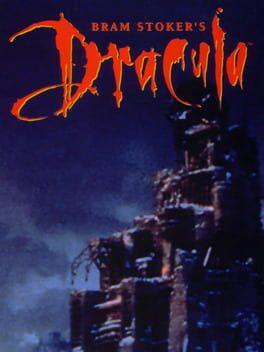
Bram Stoker's Dracula is a 1993 side‑scrolling platformer based on the 1992 film. Players control Jonathan Harker as he escapes Dracula’s castle, pursues the Count to London, and battles iconic monsters. The game blends action, hack‑and‑slash combat, and horror atmosphere across six distinct stages.
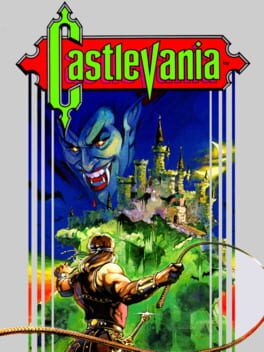
Castlevania is a classic 2‑D platformer that blends action, horror, and hack‑and‑slash combat. Players control Simon Belmont as he battles through Dracula's castle, confronting monsters and solving simple puzzles. The game set the standard for atmospheric storytelling and challenging gameplay, spawning a long‑running series that remains beloved by retro gamers and newcomers alike.
- Atmospheric horror setting
- Varied boss designs
- Weapon upgrade system
- Faithful to film plot
- Iconic atmosphere and music
- Tight, responsive controls
- Challenging yet fair difficulty
- Historical significance in gaming
- Limited to single‑player
- Pixel graphics may feel dated
- Controls can be stiff on some platforms
- Limited save system
- Pixelated graphics may feel dated
- No modern accessibility options
More alternatives & similar tools
Alternatives to Bram Stoker's Dracula
View all →
Classic gothic adventure with branching paths and four heroes.

Vampire hunters battle across Europe in a classic 2D platform adventure
Alternatives to Castlevania (1986)
View all →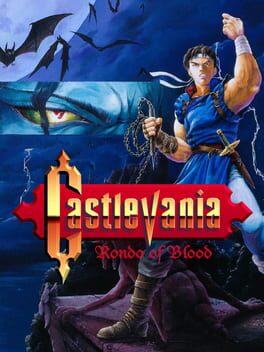
Classic gothic adventure with branching paths and four heroes.
Vampire hunters battle across Europe in a classic 2D platform adventure
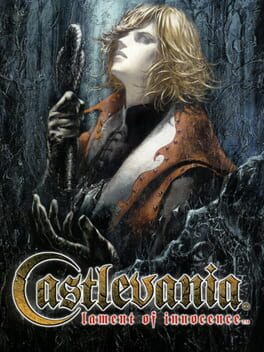
The dark origins of the Belmont clan unfold in a gothic action adventure.
The Verdict
AI-generated from listing dataCastlevania offers more levels, hidden content and difficulty options, while Bram Stoker's Dracula provides a tighter narrative tied to the film.
Key differences
- •Number of levels: 13 in Castlevania vs 6 stages in Bram Stoker's Dracula.
- •Weapon system: Castlevania uses sub‑weapons (holy water, daggers) vs upgradeable weapons from Van Helsing in Bram.
- •Difficulty settings: Castlevania includes multiple settings; Bram Stoker's Dracula does not mention any.
- •Narrative focus: Bram follows the film plot closely; Castlevania is a generic gothic adventure.
- •Boss variety: Castlevania’s bosses are generic gothic foes; Bram features film‑based bosses like Lucy and multiple Dracula forms.
Gameplay & fun factor
Castlevania provides 13 diverse levels, hidden rooms, sub‑weapons and a day‑night cycle, offering broader play variety.
Platform availability
Neither product lists specific platforms; availability cannot be compared from the provided facts.
Price & value
Both are one‑time paid titles; no price details are given to differentiate value.
Multiplayer / co‑op
Both are single‑player only, so neither has an advantage.
Content & replayability
Castlevania’s 13 levels, secret rooms, multiple difficulty settings and hidden items boost replay value over Bram’s six stages.
Difficulty & accessibility
Castlevania lists multiple difficulty settings; Bram Stoker's Dracula mentions no such options and notes stiff controls.
Graphics & performance
Both use pixel‑art retro graphics; no performance data is provided to favor either.
Choose Bram Stoker's Dracula if…
Buyers who prioritize a story that follows the Dracula film and a concise experience.
Choose Castlevania (1986) if…
Buyers who want deeper level count, hidden exploration and adjustable difficulty.
Common questions
Which game has more levels to explore?
Castlevania has 13 distinct levels; Bram Stoker's Dracula has six stages.
Do either games offer multiplayer?
Both are single‑player only.
Is there any difference in difficulty options?
Castlevania includes multiple difficulty settings; Bram Stoker's Dracula does not mention any.