


Castlevania: The Adventure vs Castlevania: The Adventure ReBirth
Side-by-side comparison of features, pricing, ratings, and alternatives.
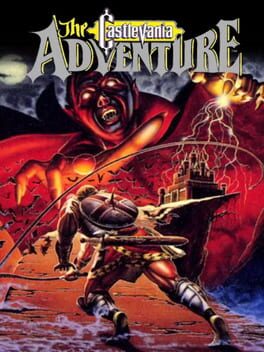
Castlevania: The Adventure brings the iconic vampire‑slaying action to a portable format, letting players guide Christopher Belmont through eight challenging stages. The game captures the series' gothic atmosphere with simple controls and memorable music, offering a nostalgic experience for retro gamers. Though limited by the hardware of its time, its tight level design and boss battles provide a satisfying challenge for fans of classic platformers.
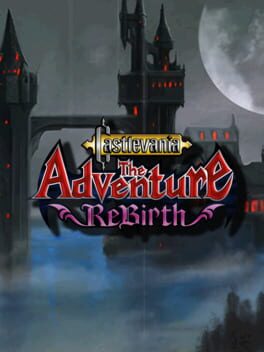
Castlevania: The Adventure ReBirth brings the iconic 8‑bit vampire‑hunting experience to a new generation with vibrant graphics and tight platforming. Players control Christopher Belmont as he battles through gothic stages, wielding a whip and a variety of power‑ups to defeat monsters and the ultimate foe, Dracula.
- Authentic Castlevania atmosphere
- Tight, responsive controls
- Challenging boss designs
- Memorable chiptune soundtrack
- Faithful recreation of classic Castlevania feel
- Tight and responsive controls
- Varied power‑ups add strategic depth
- High replay value with leaderboards
- Limited save system via passwords
- Simple graphics by modern standards
- Linear level progression without branching
- Limited to single‑player mode
- Short overall campaign length
- Graphics may feel dated to some players
More alternatives & similar tools
Alternatives to Castlevania: The Adventure
View all →

Vampire hunters battle across Europe in a classic 2D platform adventure
Alternatives to Castlevania: The Adventure ReBirth
View all →Vampire hunters battle across Europe in a classic 2D platform adventure
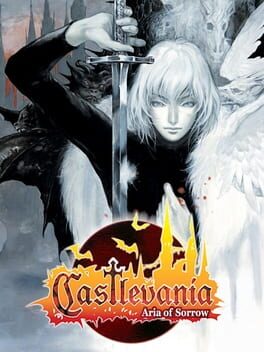
A gothic RPG adventure where a young hero battles the resurrected Dracula in a haunting castle.
The Verdict
AI-generated from listing dataCastlevania: The Adventure ReBirth (B) offers tighter controls, richer power‑ups, higher critic scores, and modern audio, making it the safer default unless you specifically want the original 1989 Game Boy experience.
Key differences
- •Critic score: A 46/100 vs B 70/100.
- •Power‑up depth: B includes varied power‑ups and unlockable characters; A has a limited inventory.
- •Audio quality: B features remixed themes with modern sound; A uses chiptune renditions.
- •Release era & platform: A is a 1989 Game Boy title; B is a 2009 Wii release with updated controls.
- •Replay incentives: B adds leaderboards and unlockables; A relies only on a high‑score table.
Gameplay & fun factor
B adds varied power‑ups, unlockable characters, and refined Wii remote controls, enhancing strategic depth.
Platform availability
Both are single‑player only; A runs on Game Boy, B on Wii, each limited to its own hardware.
Price & value
A's price not specified; B costs $19.99, making direct value comparison impossible.
Multiplayer / co‑op
Both titles support only single‑player gameplay.
Content & replayability
B includes leaderboards, unlockable characters, and score multipliers, offering more replay incentives than A.
Difficulty & accessibility
Neither source provides clear difficulty metrics; both present classic platform challenges.
Graphics & performance
A has simple Game Boy graphics; B’s graphics are dated but paired with modern audio—no clear superiority.
Choose Castlevania: The Adventure if…
Collectors or nostalgic players who want the authentic 1989 Game Boy Castlevania experience.
Choose Castlevania: The Adventure ReBirth if…
Gamers seeking refined controls, better reviews, modern audio, and higher replay value on contemporary hardware.
Common questions
Which game costs less?
A's price is not specified; B is priced at $19.99.
Which title received better critical reception?
B has a higher critic score (70/100) compared to A's 46/100.
Can I save my progress?
A uses a password system; B does not mention a save feature, implying standard session play.