


Castlevania: The Arcade vs KiKi KaiKai
Side-by-side comparison of features, pricing, ratings, and alternatives.
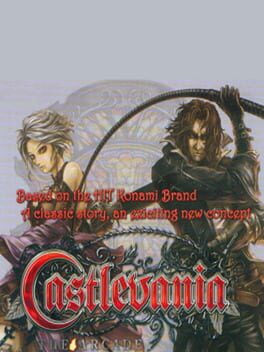
Castlevania: The Arcade brings the iconic gothic horror franchise to the arcade floor with a twin‑stick shooter experience. Players blast through hordes of monsters, collect power‑ups, and battle legendary bosses in a cooperative setting. The game blends familiar Castlevania lore with intense action, offering both solo and multiplayer modes that capture the series' dark atmosphere while delivering quick, arcade‑style fun.
KiKi KaiKai is a classic arcade shooter developed by Taito, originally released in September 1986. Players control Sayo-chan, a young Shinto shrine maiden, as she embarks on a mystical quest to rescue the kidnapped Seven Lucky Gods from hordes of Japanese folklore monsters and evil spirits. Armed with a purification rod (gohei) for melee attacks and paper talismans (ofuda) for ranged projectile combat, Sayo-chan navigates top-down scrolling environments while collecting power-ups and dealing with an array of unpredictable yokai enemies and challenging bosses.
- Engaging twin‑stick shooter mechanics
- Co‑op multiplayer adds social fun
- Rich Castlevania lore and boss designs
- High replay value with score challenges
- Charming and unique Japanese folklore aesthetic
- Fast-paced and engaging arcade action
- Iconic historical title from legendary developer Taito
- Simple pick-up-and-play controls
- Limited to arcade hardware, no home console ports
- Short campaign length
- Occasional difficulty spikes can frustrate casual players
- High difficulty level typical of 1980s arcade games
- Limited to single-player gameplay
- Dated visuals compared to modern releases
More alternatives & similar tools
Alternatives to Castlevania: The Arcade
View all →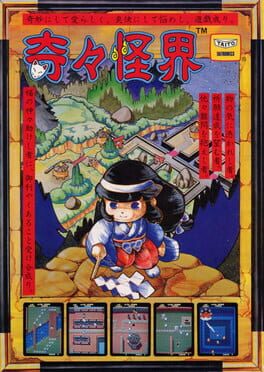
Battle yokai and spirits as shrine maiden Sayo-chan in Taito's classic arcade game.

Alternatives to KiKi KaiKai
View all →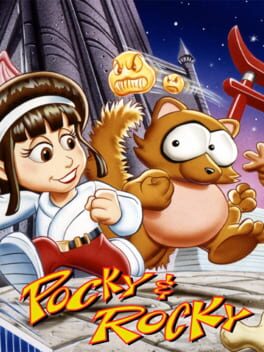
Team up as a shrine maiden and her raccoon companion in this classic action shooter.
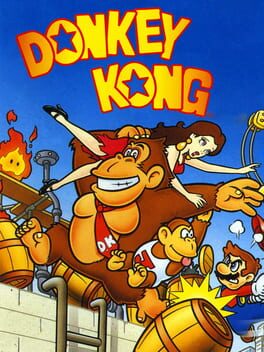
Classic arcade platformer where you rescue the damsel and outwit mischievous barrels.
The Verdict
AI-generated from listing dataKiKi KaiKai is a 1986 historical Taito arcade single-player retro game, while Castlevania: The Arcade offers 2009 twin-stick co-op shooting with global leaderboards. The main trade-off is between authentic 1980s solo folklore action and modern lighting co-op arcade shooting.
Key differences
- •Multiplayer: Castlevania supports up to two players simultaneously for co-op play, whereas KiKi KaiKai is strictly single-player.
- •Control Scheme: Castlevania uses twin-stick controls to aim and move independently, while KiKi KaiKai features simple pick-up-and-play controls with a purification rod and talismans.
- •Visual Style: KiKi KaiKai features authentic 1986 retro visuals, while Castlevania combines retro-inspired pixel art with modern lighting effects.
- •Platform Availability: Castlevania is limited to arcade hardware with no home console ports, whereas KiKi KaiKai is a classic Taito release from 1986.
Gameplay & fun factor
KiKi KaiKai offers frantic projectile action against yokai, while Castlevania features twin-stick shooting and unique boss battles with pattern recognition.
Platform availability
Castlevania is limited to arcade hardware with no home console ports; specific platform availability for KiKi KaiKai is not specified.
Price & value
Both games are available as a paid, one-time purchase with no specific dollar amounts provided in the facts.
Multiplayer / co-op
Castlevania supports up to two players simultaneously for cooperative play, whereas KiKi KaiKai is strictly limited to single-player.
Content & replayability
Castlevania features high replay value with a score-attack mode and global leaderboards; KiKi KaiKai features multiple challenging stages rescuing gods.
Difficulty & accessibility
Castlevania offers multiple difficulty settings for newcomers and veterans, whereas KiKi KaiKai has a high difficulty typical of 1980s arcade games.
Graphics & performance
Castlevania combines retro pixel art with modern lighting effects, while KiKi KaiKai has dated visuals compared to modern releases.
Choose Castlevania: The Arcade if…
Arcade enthusiasts wanting twin-stick co-op multiplayer and global leaderboards.
Choose KiKi KaiKai if…
Retro gamers seeking authentic 1986 single-player Japanese folklore action from Taito.
Common questions
Can I play Castlevania: The Arcade at home?
No, it is limited to arcade hardware with no home console ports.
Does KiKi KaiKai support cooperative multiplayer?
No, KiKi KaiKai is limited to single-player gameplay.
Do both games feature power-ups?
Yes, KiKi KaiKai features various power-ups to enhance combat abilities, and Castlevania features temporary power-ups like rapid fire, shields, and bombs.