


Castlevania (1986) vs Castlevania: The Adventure
Side-by-side comparison of features, pricing, ratings, and alternatives.
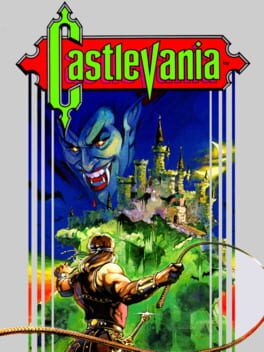
Castlevania is a classic 2‑D platformer that blends action, horror, and hack‑and‑slash combat. Players control Simon Belmont as he battles through Dracula's castle, confronting monsters and solving simple puzzles. The game set the standard for atmospheric storytelling and challenging gameplay, spawning a long‑running series that remains beloved by retro gamers and newcomers alike.
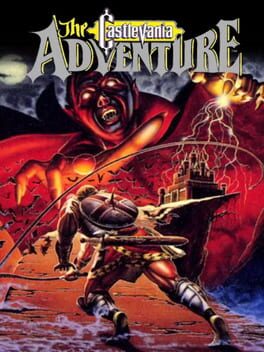
Castlevania: The Adventure brings the iconic vampire‑slaying action to a portable format, letting players guide Christopher Belmont through eight challenging stages. The game captures the series' gothic atmosphere with simple controls and memorable music, offering a nostalgic experience for retro gamers. Though limited by the hardware of its time, its tight level design and boss battles provide a satisfying challenge for fans of classic platformers.
- Iconic atmosphere and music
- Tight, responsive controls
- Challenging yet fair difficulty
- Historical significance in gaming
- Authentic Castlevania atmosphere
- Tight, responsive controls
- Challenging boss designs
- Memorable chiptune soundtrack
- Limited save system
- Pixelated graphics may feel dated
- No modern accessibility options
- Limited save system via passwords
- Simple graphics by modern standards
- Linear level progression without branching
More alternatives & similar tools
Alternatives to Castlevania (1986)
View all →
Classic gothic adventure with branching paths and four heroes.

Vampire hunters battle across Europe in a classic 2D platform adventure
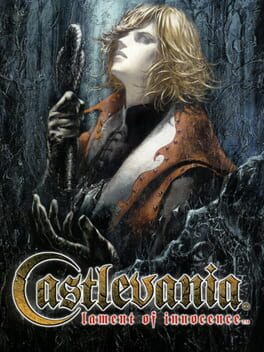
The dark origins of the Belmont clan unfold in a gothic action adventure.
Alternatives to Castlevania: The Adventure
View all →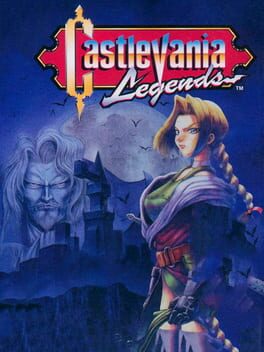
Vampire hunters battle across Europe in a classic 2D platform adventure
The Verdict
AI-generated from listing dataBoth are classic Castlevania side‑scrollers, but A offers a shorter, tighter experience with eight stages and a higher critic score, while B provides more content with 13 stages but lacks a formal critic rating.
Key differences
- •Stage count: A has 8 stages, B has 13 stages.
- •Critic reception: A received a 46/100 score; B has no critic score listed.
- •Release era: A released in 1989 on Game Boy; B released in 1986 on original hardware.
- •Inventory: A includes a limited inventory system; B mentions sub‑weapons but no inventory detail.
- •Difficulty settings: B offers multiple difficulty levels; A does not specify difficulty options.
Gameplay & fun factor
B’s 13 stages and multiple difficulty settings give more varied play than A’s 8-stage linear design.
Platform availability
A is designed for Game Boy hardware, offering portable play; B’s platform is unspecified beyond original release.
Price & value
Both are paid one‑time purchases with no price details, making value assessment equal.
Multiplayer / co‑op
Both are single‑player only.
Content & replayability
B’s 13 stages, hidden rooms, and multiple difficulty levels boost replay value over A’s 8 stages and password save.
Difficulty & accessibility
B provides multiple difficulty settings, offering broader accessibility; A lacks such options.
Graphics & performance
A’s responsive controls are noted for the limited Game Boy hardware, whereas B’s graphics are described only as pixelated.
Choose Castlevania (1986) if…
Players seeking more stages, difficulty options, and deeper exploration in a classic retro package.
Choose Castlevania: The Adventure if…
Players who want a concise, portable Castlevania experience with tighter controls and a known critic rating.
Common questions
Which game has more content?
B offers 13 distinct stages and hidden rooms, while A has 8 stages.
Do either of the games support modern save features?
Both use limited save systems; A uses passwords, B’s save method is not specified but is limited.
Is there a price difference between the two?
Both are sold as one‑time paid titles; no specific price information is provided.