


Centipede (1981) vs Millipede
Side-by-side comparison of features, pricing, ratings, and alternatives.
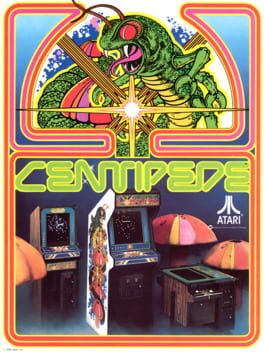
Centipede is a vertically-oriented shoot 'em up arcade game produced by Atari, Inc. in 1980, designed by Ed Logg and Dona Bailey. Players take on the role of an elf using a magic wand to defend a prized mushroom garden from a giant centipede, scorpions, spiders, and fleas. Known for its historical significance as one of the first arcade coin-operated games to attract a significant female player base, the game challenges players to clear the playing field while navigating around obstacles and increasingly aggressive insect swarms.
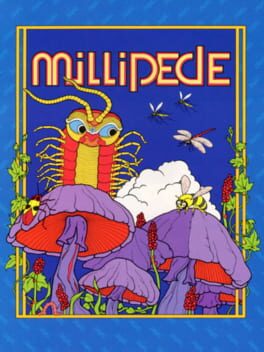
Millipede is the 1982 Atari sequel to the iconic Centipede, challenging players to destroy a multi‑segmented creature while dodging other enemies. Using a trackball and fire button, you aim for high scores as the millipede crawls toward the bottom of the screen. The game supports both solo play and competitive multiplayer, offering rapid‑fire action and retro graphics that capture the golden age of arcade gaming.
- Iconic retro arcade gameplay
- Historical significance in gaming
- Engaging and challenging difficulty
- Accessible yet deep scoring system
- Simple yet addictive gameplay
- Responsive trackball controls
- Authentic retro visuals and sound
- Supports both single‑player and multiplayer
- Limited modern gameplay variety compared to modern titles
- Repetitive loop over extended play sessions
- Difficulty spikes significantly in later rounds
- Limited content beyond endless levels
- Requires a trackball for optimal experience
- Graphics may feel dated to modern players
More alternatives & similar tools
Alternatives to Centipede (1981)
View all →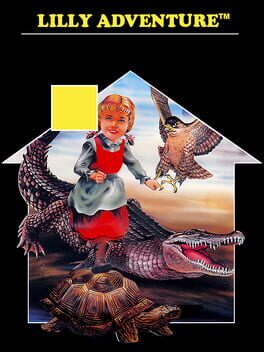
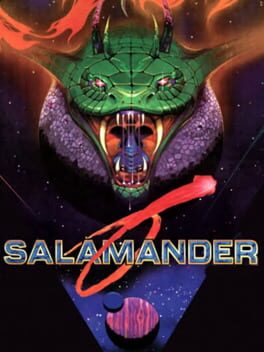
Pilot your Star Fighter through alien bio-mechanical hordes in this classic arcade shooter.

Alternatives to Millipede
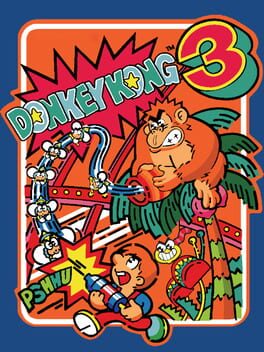
View all →Defend the enchanted mushroom garden from swarms of insects in this classic arcade shooter.
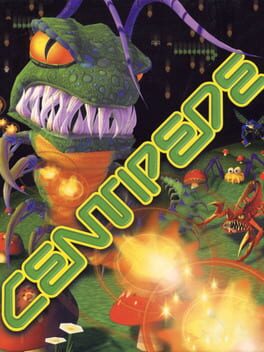
Save the peaceful Wee People from the ruthless QueenPede in this 3D remake of the Atari classic.
The Verdict
AI-generated from listing dataCentipede offers iconic, higher‑rated arcade action with classic two‑player alternating mode, while Millipede adds trackball precision and endless waves but scores lower.
Key differences
- •Critic score: Centipede 75/100 vs Millipede 50/100.
- •Control scheme: Centipede uses standard joystick/buttons; Millipede relies on a trackball for optimal play.
- •Game structure: Centipede has defined rounds with difficulty spikes; Millipede provides endless, ever‑faster waves.
- •Multiplayer experience: Centipede alternates turns; Millipede shares the screen simultaneously.
- •Content depth: Centipede’s varied enemy types vs Millipede’s limited enemy variety.
Gameplay & fun factor
Centipede’s varied enemies and classic round‑based challenge are praised, reflected in its higher critic score.
Platform availability
Both are paid, one‑time arcade titles with no platform differences listed.
Price & value
Both are priced as one‑time purchases; no price details provided to differentiate.
Multiplayer / co‑op
Millipede allows simultaneous screen sharing, whereas Centipede uses alternating turns.
Content & replayability
Millipede’s endless waves give theoretically infinite play, while Centipede’s finite rounds can become repetitive.
Difficulty & accessibility
Centipede’s difficulty spikes are noted, but its standard controls make it more accessible than trackball‑dependent Millipede.
Graphics & performance
Both feature authentic 1980s Atari graphics and sound; no superiority indicated.
Choose Centipede (1981) if…
Retro purists seeking the classic, higher‑rated arcade experience.
Choose Millipede if…
Players who own a trackball and enjoy endless, fast‑paced shooter loops.
Common questions
Which game has better reviews?
Centipede has a critic score of 75/100, compared to Millipede's 50/100.
Do I need special hardware to play?
Millipede performs best with a trackball; Centipede uses standard controls.
Is there a co‑op mode where both players play at the same time?
Only Millipede offers simultaneous screen co‑op; Centipede alternates turns.