


Chivalry: Medieval Warfare vs Kengo: Master of Bushido
Side-by-side comparison of features, pricing, ratings, and alternatives.
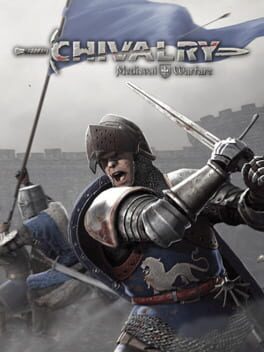
Chivalry: Medieval Warfare drops modern firearms for swords, axes, and shields, delivering intense, skill‑based melee battles across historic battlefields. Players can raid villages, siege castles, or fight in gladiatorial arenas in a variety of multiplayer modes. The game blends tactical blocking, counter‑attacks, and chaotic combat, offering both cooperative and competitive experiences for fans of historical warfare and hack‑and‑slash action.
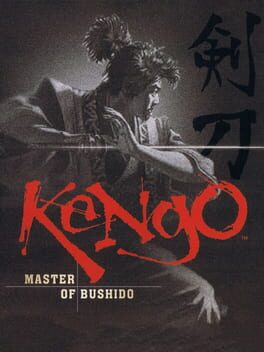
Step into feudal Japan and master the way of the sword with Kengo: Master of Bushido. The game blends realistic katana combat with a deep progression system, letting you train under historic masters and challenge rivals across Japan’s provinces. With both single‑player campaigns and multiplayer duels, Kengo offers intense dueling mechanics, authentic weapon handling, and a variety of fighting styles that reward timing and strategy over button‑mashing.
- Deep melee combat system
- Varied historical environments
- Strong multiplayer variety
- Responsive controls
- Deep and authentic sword‑fighting mechanics
- Rich historical atmosphere
- Varied fighting styles to master
- Local multiplayer duels
- Steep learning curve for new players
- Limited single‑player content
- Occasional matchmaking latency
- Graphics are dated by modern standards
- Steep learning curve for newcomers
- Limited online features
More alternatives & similar tools
Alternatives to Chivalry: Medieval Warfare
View all →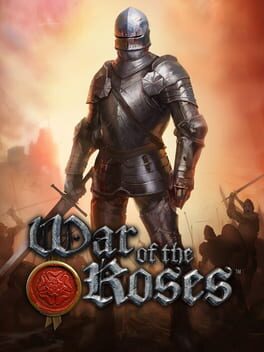
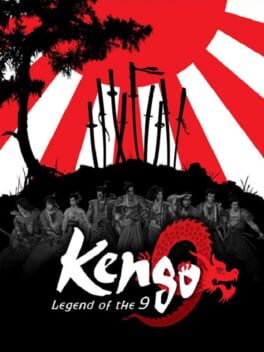
Alternatives to Kengo: Master of Bushido
View all →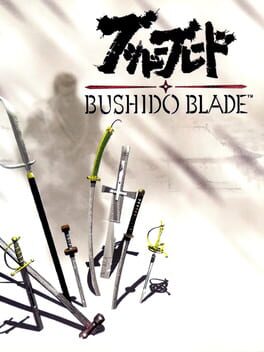

The Verdict
AI-generated from listing dataChivalry: Medieval Warfare offers modern, large‑scale online melee combat with dynamic environments, while Kengo: Master of Bushido delivers a classic, single‑player‑focused samurai sword experience with dated graphics.
Key differences
- •Chivalry supports online multiplayer for up to 32 players; Kengo only offers local head‑to‑head duels.
- •Chivalry was released in 2012 with dynamic, destructible environments; Kengo dates back to 2000 with static period‑accurate visuals.
- •Chivalry’s combat emphasizes timing, blocking, and counters across multiple modes; Kengo centers on stamina‑based sword duels and a career progression system.
Gameplay & fun factor
Chivalry provides varied multiplayer modes, dynamic environments, and a robust block/counter system versus Kengo’s single‑player dueling focus.
Platform availability
Chivalry is stated to run on all major platforms; Kengo’s platform list is not provided.
Pricing & value
Both are one‑time paid titles; specific price only given for Kengo ($49.99), Chivalry’s price not specified.
Multiplayer / co‑op
Chivalry offers online matchmaking, dedicated servers, and co‑op; Kengo only supports local duels.
Content & replayability
Chivalry has extensive multiplayer content but limited single‑player; Kengo offers a career mode and ranking system but no online replay.
Difficulty & accessibility
Both games list a steep learning curve for newcomers.
Graphics & performance
Chivalry (2012) features newer graphics; Kengo’s graphics are described as dated by modern standards.
Choose Chivalry: Medieval Warfare if…
Players who want modern online melee battles with large groups and dynamic maps.
Choose Kengo: Master of Bushido if…
Players who prefer a classic, story‑driven samurai sword experience with local duels.
Common questions
Which game supports online multiplayer?
Chivalry: Medieval Warfare supports online multiplayer with dedicated servers for up to 32 players; Kengo only supports local head‑to‑head duels.
Is the graphics quality modern?
Chivalry (released 2012) has newer graphics; Kengo (released 2000) is noted as having dated graphics.
Do both games have a steep learning curve?
Yes, both list a steep learning curve for new players in their pros/cons.