


Contrast vs Lost in Shadow
Side-by-side comparison of features, pricing, ratings, and alternatives.
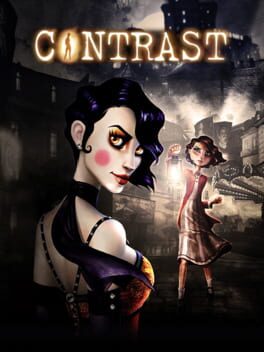
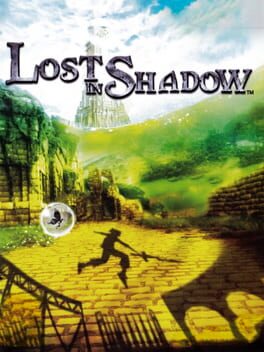
The game blends narrative storytelling with innovative mechanics, letting you manipulate light sources to stretch, enlarge, or contract the shadow world and solve intricate puzzles. Its atmospheric soundtrack and striking visual contrast create an immersive experience that rewards curiosity and clever thinking.
Lost in Shadow is a puzzle‑platform adventure where you control a boy’s shadow, climbing a towering structure by reshaping light sources. Guided by the sylph Spangle, you alter shadows to solve intricate puzzles and avoid enemies. The game blends 2D shadow navigation with occasional 3D materialization, offering a unique blend of platforming and light‑based mechanics across its Wii and Wii U releases.
- Innovative 2D/3D switching mechanic
- Strong atmospheric art and music
- Engaging narrative tied to puzzles
- Well‑designed single‑player experience
- Innovative light‑and‑shadow mechanics
- Atmospheric tower setting
- Blend of 2D and 3D gameplay
- Single‑player focused experience
- Some puzzles can feel obtuse
- Occasional camera issues in 3D sections
- Limited replay value after story completion
- Limited to Wii/Wii U platforms
- Short overall length
- Some puzzles can feel repetitive
More alternatives & similar tools
Alternatives to Contrast
View all →
Build triangular platforms to solve mind‑bending puzzles in a mystical world.
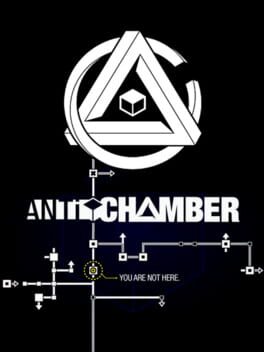
Explore an impossible mind-bending world of non-Euclidean puzzles and psychological exploration.
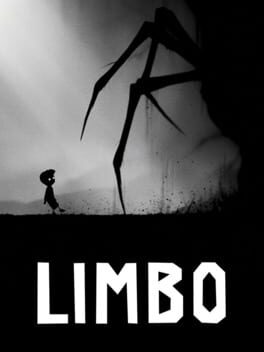
Alternatives to Lost in Shadow
View all →
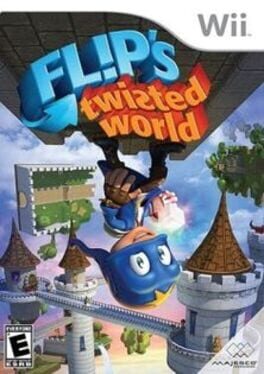
The Verdict
AI-generated from listing dataBoth games offer inventive light‑shadow mechanics at the same price, but Lost in Shadow is a shorter Wii/Wii U title, while Contrast provides a richer narrative and broader platform potential.
Key differences
- •Platform: Lost in Shadow is Wii/Wii U only; Contrast’s platform is not specified.
- •Narrative focus: Contrast emphasizes story and 1920s jazz atmosphere; Lost in Shadow tells its story mainly through visuals.
- •Critic reception: Lost in Shadow scored 70/100, Contrast 57/100.
- •Mechanic depth: Lost in Shadow mixes 2D shadow control with occasional 3D materialization; Contrast lets you toggle instantly between full 3D and 2D shadow worlds.
Gameplay & fun factor
Lost in Shadow’s blend of 2D/3D shadow traversal is highlighted as innovative and less prone to camera issues than Contrast.
Platform availability
Lost in Shadow is Wii/Wii U only; Contrast’s platform is not specified, so neither can be declared superior.
Price & value
Both are priced at $19.99 with a one‑time purchase.
Multiplayer / co‑op
Both are single‑player only.
Content & replayability
Contrast offers a tighter narrative but notes limited replay value; Lost in Shadow is short but also limited replay.
Difficulty & accessibility
Lost in Shadow’s puzzles are described as precise timing but generally less obtuse than Contrast’s occasionally “obtuse” puzzles.
Graphics & performance
Contrast features hand‑drawn 2D silhouettes combined with detailed 3D models and a period‑accurate jazz soundtrack.
Choose Contrast if…
Buy Contrast if you want a story‑driven experience with richer audio‑visual style and don’t mind potential camera quirks.
Choose Lost in Shadow if…
Buy Lost in Shadow if you own a Wii/Wii U and prefer concise, innovative shadow platforming.
Common questions
Do both games cost the same?
Yes, each is $19.99 as a one‑time purchase.
Which game has better critical reception?
Lost in Shadow has a higher critic score (70/100) than Contrast (57/100).
Can I play either game with friends?
No, both are single‑player only.