


Contrast vs Quantum Conundrum
Side-by-side comparison of features, pricing, ratings, and alternatives.
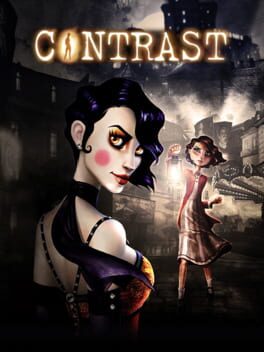
The game blends narrative storytelling with innovative mechanics, letting you manipulate light sources to stretch, enlarge, or contract the shadow world and solve intricate puzzles. Its atmospheric soundtrack and striking visual contrast create an immersive experience that rewards curiosity and clever thinking.
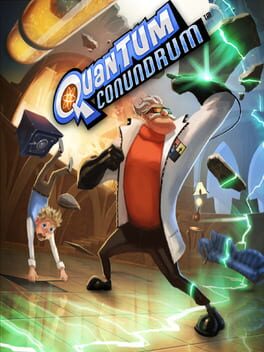
You play as a kid left at his eccentric uncle’s mansion, where the professor has vanished. Using the Inter‑Dimensional Shift Device, you toggle between alternate realities to navigate impossible rooms and uncover the mystery. Each dimension rewrites physics—gravity, size, speed—forcing you to think creatively to progress. The game blends humor, sci‑fi tech, and classic platforming into a tightly crafted puzzle adventure.
- Innovative 2D/3D switching mechanic
- Strong atmospheric art and music
- Engaging narrative tied to puzzles
- Well‑designed single‑player experience
- Innovative dimension‑shifting mechanics
- Humorous writing and charming characters
- Well‑crafted puzzles with increasing complexity
- Accessible difficulty suitable for all ages
- Some puzzles can feel obtuse
- Occasional camera issues in 3D sections
- Limited replay value after story completion
- Limited content length compared to larger titles
- No multiplayer or co‑op options
- Occasional camera angles can be frustrating
More alternatives & similar tools
Alternatives to Contrast
View all →
Build triangular platforms to solve mind‑bending puzzles in a mystical world.

Explore an impossible mind-bending world of non-Euclidean puzzles and psychological exploration.

Alternatives to Quantum Conundrum
View all →Explore an impossible mind-bending world of non-Euclidean puzzles and psychological exploration.


The Verdict
AI-generated from listing dataQuantum Conundrum offers a higher‑rated, family‑friendly puzzle platformer with solid replay value, while Contrast provides a moodier, story‑driven experience with a lower critic score.
Key differences
- •Quantum is ESRB E (all ages) whereas Contrast is ESRB T (teen)
- •Critic scores differ: 74/100 for Quantum vs 57/100 for Contrast
- •Quantum’s mechanic uses four dimensional shifts; Contrast toggles between 3D and 2D shadows
- •Replay value: Quantum includes optional challenges and collectibles; Contrast notes limited replay after story
- •Atmosphere: Quantum is comedic sci‑fi; Contrast is 1920s‑style jazz fantasy
Gameplay & fun factor
Quantum’s four‑dimensional shift offers varied mechanics and praised puzzles; Contrast’s 2D/3D toggle received mixed feedback.
Platform availability
Both are single‑player PC/console titles; no platform specifics given.
Price & value
Both priced at $19.99 with one‑time purchase.
Multiplayer / co‑op
Both are single‑player only.
Content & replayability
Quantum adds optional challenges and hidden collectibles; Contrast notes limited replay after story.
Difficulty & accessibility
Quantum is rated ESRB E and described as suitable for all ages; Contrast is ESRB T.
Graphics & performance
Contrast highlights hand‑drawn 2D silhouettes blended with 3D models and period‑accurate jazz ambience.
Choose Contrast if…
Players who prioritize a stylized 2D/3D aesthetic and mood‑driven narrative over critical acclaim.
Choose Quantum Conundrum if…
Players seeking a family‑friendly, highly rated puzzle platformer with extra replay content.
Common questions
Do either games support multiplayer?
No; both are single‑player only.
Which game has a higher critic rating?
Quantum Conundrum has a critic score of 74/100; Contrast has 57/100.
Is there an age rating difference?
Yes; Quantum is ESRB E (everyone), while Contrast is ESRB T (teen).