


Crazy Climber vs Donkey Kong (1981)
Side-by-side comparison of features, pricing, ratings, and alternatives.
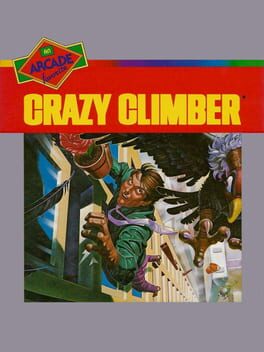
Crazy Climber is a pioneering 1980 coin‑operated arcade game from Nichibutsu that introduced players to vertical platform action. Players control a climber scaling the sides of a building while avoiding hazards like falling objects and moving windows. The game was later ported to home consoles such as the Emerson Arcadia 2001 and remains a celebrated early example of the platform genre. Its simple yet addictive gameplay laid groundwork for later climbing and platform titles, predating even Donkey Kong’s famous ascent. The arcade cabinet featured dual joysticks for left‑hand and right‑hand movement, delivering a unique physical experience that emphasized timing and precision. Over the years, Crazy Climber has been re‑released on modern platforms, allowing new generations to enjoy the retro challenge of scaling towering facades while competing for high scores.
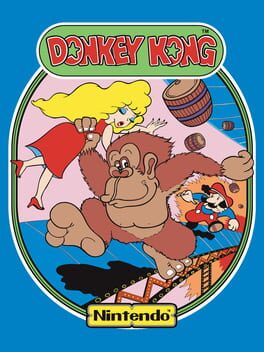
Donkey Kong is the iconic 1981 arcade platformer where players control Jumpman (later known as Mario) as he climbs ladders and avoids obstacles to rescue Pauline from the clumsy ape. The game introduced timeless mechanics like barrel rolling, fireball dodging, and multi-level progression that defined early video gaming. Its simple yet challenging design has made Donkey Kong a staple in retro collections, inspiring countless platformers and remaining a beloved test of timing and skill for gamers of all ages.
- Innovative dual‑joystick control
- Pioneering vertical platform gameplay
- High replay value with score chasing
- Authentic retro visuals and sound
- Timeless and instantly recognizable gameplay.
- Simple controls make it easy to pick up.
- Short levels perfect for quick play sessions.
- Historical significance as a gaming milestone.
- Limited modern features like save states
- Simple graphics may not appeal to all
- Controls can be challenging for newcomers
- Limited content compared to modern titles.
- Graphics are dated for contemporary players.
- No multiplayer or co‑op mode.
More alternatives & similar tools
Alternatives to Crazy Climber
View all →
Alternatives to Donkey Kong (1981)
View all →
The Verdict
AI-generated from listing dataBoth are $4.99 retro arcade titles, but Donkey Kong offers iconic single‑player platform action, while Crazy Climber adds dual‑joystick control and multiplayer.
Key differences
- •Donkey Kong is single‑player only; Crazy Climber supports alternating multiplayer.
- •Crazy Climber uses a unique dual‑joystick control scheme, whereas Donkey Kong uses simple ladder/jump controls.
- •Donkey Kong has four distinct stages with a boss fight; Crazy Climber scrolls vertically with varied hazards each level.
- •Donkey Kong’s graphics are dated but historically iconic; Crazy Climber features pixel‑art graphics with a chiptune soundtrack.
- •Both cost $4.99, but Crazy Climber’s replay value is driven by high‑score tables, while Donkey Kong focuses on level completion scores.
Gameplay & fun factor
Donkey Kong offers classic platforming; Crazy Climber offers innovative dual‑joystick climbing – appeal depends on player preference.
Platform availability
Both are listed as paid one‑time releases for modern platforms; no specific platform differences given.
Price & value
Both priced at $4.99, providing equal monetary value.
Multiplayer / co‑op
Crazy Climber supports single‑player and alternating multiplayer; Donkey Kong is single‑player only.
Content & replayability
Crazy Climber includes a high‑score table and endless vertical levels; Donkey Kong has four fixed stages.
Difficulty & accessibility
Donkey Kong’s simple ladder/jump controls are easier for newcomers than Crazy Climber’s dual‑joystick scheme.
Graphics & performance
Donkey Kong is historically iconic; Crazy Climber’s pixel art is authentic but less recognizable.
Choose Crazy Climber if…
Players who want multiplayer competition and a novel dual‑joystick experience.
Choose Donkey Kong (1981) if…
Fans of classic, straightforward platformers and iconic retro history.
Common questions
Do either of these games support multiplayer?
Crazy Climber supports single‑player and alternating multiplayer; Donkey Kong is single‑player only.
Is the price different between the two titles?
Both are priced at $4.99 as a one‑time purchase.
Which game offers more replay value?
Crazy Climber includes a high‑score table and endless vertical scrolling levels, giving it higher replay potential.