


Cyberball vs Speedball 2100
Side-by-side comparison of features, pricing, ratings, and alternatives.
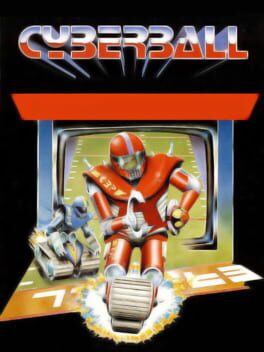

Cyberball is an arcade game from Atari Games that reimagines 7-man American football with robotic avatars of varying speed, size, and skill. Instead of the standard downs system, the game uses an explosive ball that moves from "cool" to "warm," "hot," and finally "critical" as it is carried and passed. Players must reset the ball to "cool" by crossing the 50-yard line or by changing possession through a touchdown, interception, or fumble. The robots add a layer of strategy and risk: a robot tackled while holding a critical ball is destroyed along with it, and every robot has finite durability that wears down into smoke and flames after repeated hits. Earned money bonuses can be spent upgrading players to faster, sturdier units, making resource management a key part of play.
Speedball 2100 brings the 32-bit update of the classic Speedball into a 3D arena, pitting two teams of nine in a high‑octane cage match. Players bounce a steel ball off walls and use shoulder charges to send opponents crashing, all while aiming for the tiny goal box. The game lets you rename and manage any team, adding a personal touch to the chaotic bloodsport of the year 2100. Released for PlayStation in September 2000, this sequel expands on Speedball 2 with split‑screen multiplayer and a range of power‑ups, though it struggled to capture the speed of its predecessors. It later appeared on Evercade as part of the Bitmap Brothers Collection 1, preserving its legacy for retro enthusiasts.
- Unique explosive-ball mechanic replaces standard downs for fresh gameplay.
- Robot durability and upgrade system add meaningful strategic depth.
- Distinctive visual feedback as robots smoke and burn adds character.
- Supports both single-player and multiplayer modes.
- Unique blend of sport and combat
- Customizable team names
- Local split‑screen multiplayer
- Variety of power‑ups
- Rules differ significantly from American football, which may confuse newcomers.
- As a 1988 arcade title, modern conveniences and polish are absent.
- Limited availability on modern platforms makes it harder to access today.
- Slower pace compared to original titles
- Graphics dated for modern standards
- Limited online features
More alternatives & similar tools
Alternatives to Cyberball
View all →

Alternatives to Speedball 2100
View all →
Ultra‑violent street‑sport action where rival gangs battle for supremacy in 2326