


Devil Summoner: Soul Hackers vs Shin Megami Tensei IV
Side-by-side comparison of features, pricing, ratings, and alternatives.
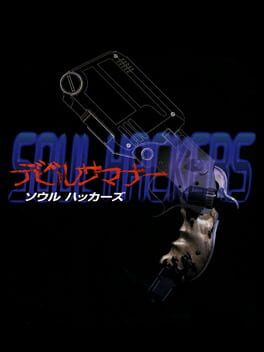
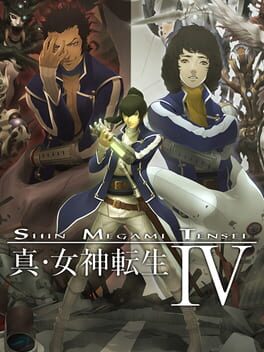
Soul Hackers delivers a first‑person, dungeon‑crawling RPG set in a cyber‑punk metropolis where technology collides with otherworldly horror. Players join a secretive hacker group to uncover a centuries‑old mystic society and fight for humanity's destiny. The game blends turn‑based combat, atmospheric storytelling, and a haunting soundtrack, offering a deep mystery that unfolds through exploration and choice‑driven narrative.
Shin Megami Tensei IV puts you in the role of a newly appointed Samurai, defending the Eastern Kingdom of Mikado from demonic forces. As you explore a dark, post‑apocalyptic Tokyo, you must negotiate with factions, recruit allies, and decide the fate of humanity. The game blends turn‑based strategy with deep demon‑fusion mechanics, offering multiple story branches that react to every moral decision. Its mature narrative and challenging combat make it a standout entry in the SMT series.
- Rich cyber‑punk atmosphere with strong horror elements
- Deep demon‑summoning system adds strategic depth
- Multiple endings based on player choices
- Engaging turn‑based combat with tech‑magic synergy
- Complex demon‑fusion system offers endless customization.
- Mature storyline with meaningful choices.
- Strategic turn‑based combat rewards careful planning.
- Rich worldbuilding and atmospheric art direction.
- Linear level design can feel restrictive
- Older graphics may not meet modern expectations
- Limited multiplayer or co‑op options
- Steep learning curve for newcomers.
- Limited accessibility options.
- Only available on legacy handheld hardware.
More alternatives & similar tools
Alternatives to Devil Summoner: Soul Hackers
View all →
Survive a demon‑infested Tokyo with strategic contracts and deadly choices.
Alternatives to Shin Megami Tensei IV
View all →First‑person cyberpunk RPG where hackers battle mystic forces in a gothic future.
Survive a demon‑infested Tokyo with strategic contracts and deadly choices.
The Verdict
AI-generated from listing dataShin Megami Tensei IV offers higher critical acclaim, newer graphics, and deeper demon‑fusion at a lower price, while Devil Summoner: Soul Hackers provides a classic cyber‑punk setting with simpler turn‑based combat.
Key differences
- •Price: $39.99 (B) vs $49.99 (A).
- •Critical reception: 86/100 (B) vs 73/100 (A).
- •Release era: 2013 (B) modern graphics vs 1997 (A) older visuals.
- •Combat depth: B features grid‑based tactics and extensive demon‑fusion; A uses simpler turn‑based tech‑magic battles.
- •Learning curve: B is noted as steep for newcomers; A is comparatively more accessible.
Pricing & value
Shin Megami Tensei IV costs $39.99, $10 less than Devil Summoner's $49.99.
Gameplay & fun factor
B offers grid‑based tactics and a complex demon‑fusion system, adding strategic depth beyond A's simpler turn‑based combat.
Platform availability
A is a PC/modern release (implied by pricing), while B is limited to legacy handheld hardware.
Multiplayer / co‑op
Both are single‑player only.
Content & replayability
B's multiple endings, faction reputation, and extensive demon‑fusion increase replay value over A's linear level design.
Difficulty & accessibility
A is described as more accessible; B has a steep learning curve and limited accessibility options.
Graphics & performance
B, released in 2013, has newer graphics than A's 1997 visuals, which may feel dated.
Choose Devil Summoner: Soul Hackers if…
Fans of cyber‑punk horror who prefer a straightforward, single‑player experience and don’t mind older graphics.
Choose Shin Megami Tensei IV if…
Players seeking deeper strategy, higher critical praise, and better value, and who have a legacy handheld.
Common questions
Which game is cheaper?
Shin Megami Tensei IV costs $39.99, while Devil Summoner: Soul Hackers costs $49.99.
Which title has better reviews?
Shin Megami Tensei IV has a critic score of 86/100, compared to Devil Summoner's 73/100.
Do either of the games support multiplayer?
Both games are single‑player only.