


DinoPark Tycoon vs Jurassic Park III: Park Builder
Side-by-side comparison of features, pricing, ratings, and alternatives.
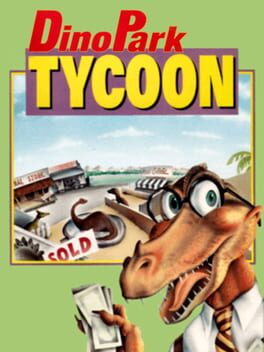
DinoPark Tycoon puts you in charge of a prehistoric amusement park where you clone real dinosaurs, build secure enclosures, and keep visitors happy. Balance finances, feed carnivores and herbivores, and avoid dangerous neighbor‑species conflicts to pay off your loan and expand the park. The game features a detailed economy model, seasonal attendance, and educational challenges like staff health and dinosaur welfare, making it both fun and a learning tool for budgeting and strategic planning.
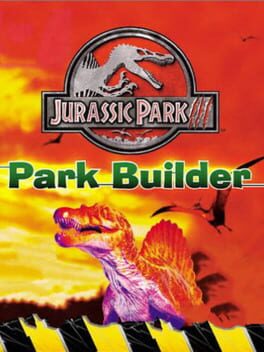
Jurassic Park III: Park Builder puts you in charge of designing, constructing, and running a fully functional dinosaur park. Oversee 100 species, place attractions, and keep visitors happy while balancing budgets and safety. Collect DNA strands to unlock new dinosaurs, maintain health, and prevent escapes on opening day. Every decision impacts attendance, so strategic planning is essential for success.
- Engaging blend of fun and learning
- Deep economic management system
- Clear educational tutorials
- Humorous dinosaur interactions
- Deep strategic depth with many management layers
- Wide variety of dinosaur species to collect and display
- Engaging economic and visitor satisfaction systems
- Single-player focus allows immersive solo experience
- Graphics are dated by modern standards
- Limited replay variety after mastering park layout
- No multiplayer mode
- Steep learning curve for new players
- Limited replayability after mastering park layout
- Graphics are dated by modern standards
More alternatives & similar tools
Alternatives to DinoPark Tycoon
View all →

Alternatives to Jurassic Park III: Park Builder
View all →
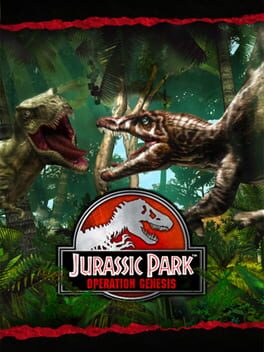
Build and manage your own dinosaur theme park in Jurassic Park: Operation Genesis.
The Verdict
AI-generated from listing dataBoth games offer single‑player dinosaur park simulation with dated graphics; DinoPark Tycoon adds educational tutorials, while Jurassic Park III: Park Builder provides more dinosaur species and deeper strategic layers.
Key differences
- •DinoPark Tycoon includes an animated dinosaur guide with tutorials, targeting students and casual gamers.
- •Jurassic Park III: Park Builder offers up to 100 dinosaur species and DNA collection mechanics for greater variety.
- •Release dates differ: DinoPark Tycoon (1993) is older than Jurassic Park III (2001), affecting graphics and UI expectations.
- •Developer/publisher: DinoPark Tycoon by Manley & MECC (educational focus) vs. Konami (mainstream gaming).
- •Price: DinoPark Tycoon listed at $19.99; Jurassic Park III price not specified.
Gameplay & fun factor
Jurassic Park III offers more species (up to 100) and DNA collection, adding strategic depth beyond DinoPark's simpler economy.
Platform availability
Both are listed only as single‑player games; no platform details provided for either.
Price & value
DinoPark Tycoon price is $19.99; Jurassic Park III price not specified, making direct comparison impossible.
Multiplayer / co‑op
Both are single‑player only.
Content & replayability
Jurassic Park III's larger dinosaur roster and DNA unlocking system give more long‑term content than DinoPark's limited species.
Difficulty & accessibility
DinoPark Tycoon includes tutorials and a humorous guide, making it easier for newcomers than Jurassic Park III's steep learning curve.
Graphics & performance
Both are described as having dated graphics; no quantitative performance data provided.
Choose DinoPark Tycoon if…
Students or casual players who want guided, educational park management.
Choose Jurassic Park III: Park Builder if…
Enthusiasts seeking extensive dinosaur variety and deeper strategic systems.
Common questions
Which game is cheaper?
DinoPark Tycoon is listed at $19.99; Jurassic Park III price is not specified.
Is there a learning curve?
DinoPark Tycoon includes tutorials for easy onboarding; Jurassic Park III has a steep learning curve.
How many dinosaur species can I manage?
Jurassic Park III supports up to 100 species; DinoPark Tycoon does not specify a limit but offers fewer.