


Domotz vs Kaseya VSA
Side-by-side comparison of features, pricing, ratings, and alternatives.


Domotz is a network monitoring and remote management platform aimed at managed service providers and internal IT teams. It uses lightweight collectors (software or hardware) to automatically discover devices on a network by MAC address, then continuously tracks device health and raises real-time alerts when something goes down or behaves abnormally. The platform layers in remote device management and diagnostics so technicians can troubleshoot issues without an on-site visit, and it exposes 40+ tools for agent-based/automated workflows alongside integrations for common MSP tooling like Autotask/Datto, ConnectWise, HaloPSA, Hudu, ServiceNow, Slack, Syncro, and Microsoft Teams. Domotz reports SOC 2 Type II and ISO 27001 certification and cites over 3,600 customers monitoring more than 40,000 networks.
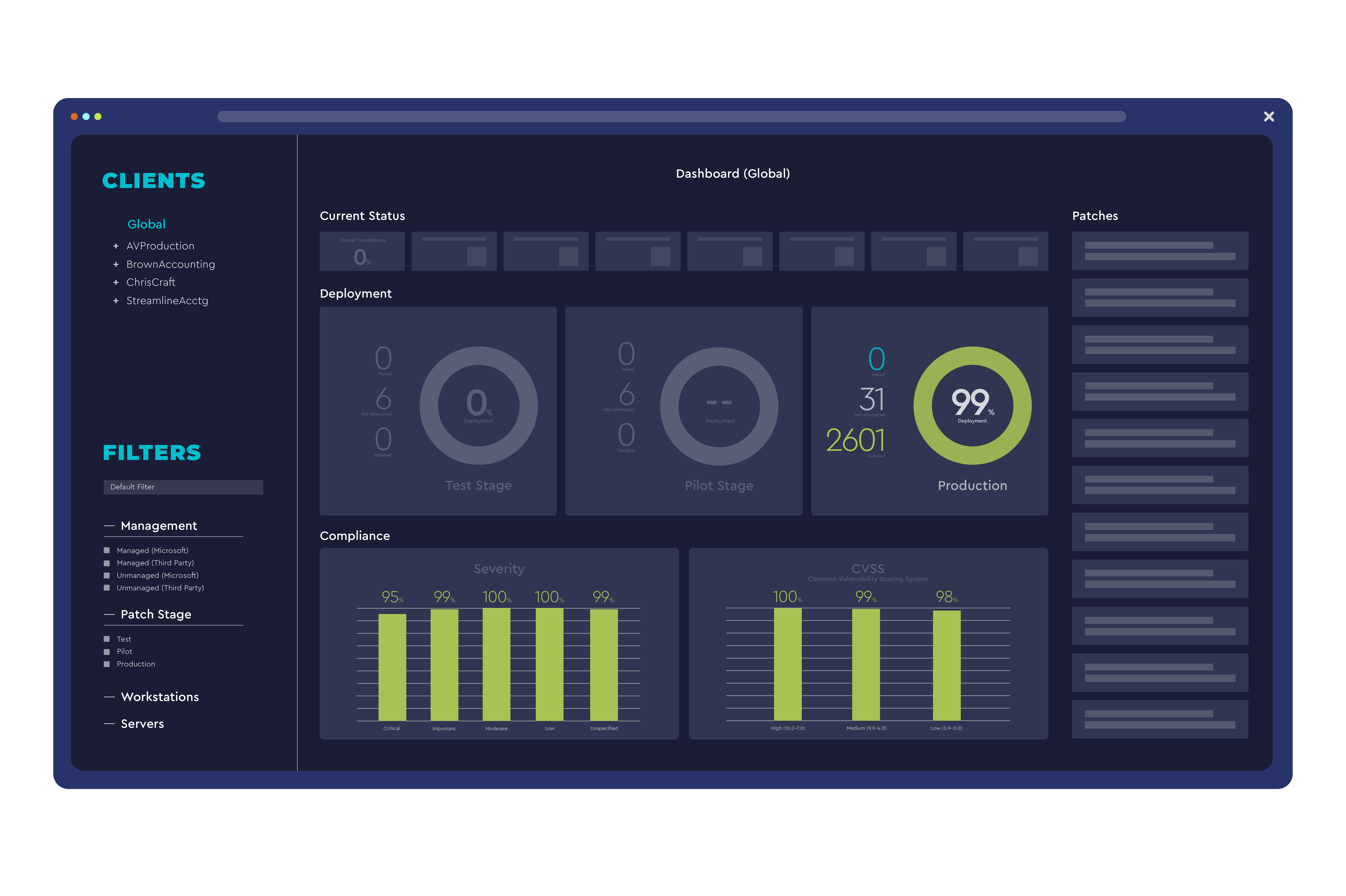
Kaseya VSA is a comprehensive Remote Monitoring and Management (RMM) platform that enables IT service providers and internal IT departments to automate routine tasks, deploy patches, and manage endpoints from a single console. It combines device monitoring, scripting, and integrated ticketing to improve efficiency and reduce downtime across Windows, macOS, and Linux environments. The solution offers real‑time alerts, remote control, and a robust automation engine, allowing organizations to scale support operations while maintaining security compliance. Kaseya VSA integrates with popular PSA, backup, and security tools to provide an end‑to‑end IT management stack.
- Automatic MAC-address-based device discovery reduces manual network mapping
- Deep integrations with widely used MSP/PSA tools
- Offers both per-collector and per-device pricing models to fit different network sizes
- SOC 2 Type II and ISO 27001 certified
- Extensive automation reduces manual workload
- Supports Windows, macOS, and Linux endpoints
- Integrated ticketing and PSA connectors
- Scalable cloud and on‑premises deployment options
- Pricing can scale up quickly for larger, multi-site networks
- Geared heavily toward MSP workflows, which may be more than a single-site business needs
- Requires deploying a collector (software or hardware) rather than being fully agentless
- Steeper learning curve for advanced scripting
- Pricing can be high for small teams
- User interface feels dated compared to newer competitors
More alternatives & similar tools
Alternatives to Domotz
View all →

Alternatives to Kaseya VSA
View all →The Verdict
AI-generated from listing dataDomotz excels at automated network discovery and monitoring for MSPs with strong security certifications, while Kaseya VSA offers broader endpoint management, patching, and scripting across Windows, macOS, and Linux.
Key differences
- •Device discovery: Domotz uses MAC‑address‑based automatic discovery; Kaseya relies on manual inventory.
- •OS coverage: Kaseya supports Windows, macOS, Linux; Domotz focuses on network devices (layer‑2).
- •Automation: Kaseya provides a custom scripting engine; Domotz offers 40+ pre‑built tools but limited scripting.
- •Deployment model: Domotz requires a collector (software/hardware); Kaseya offers cloud console with optional on‑premise.
- •Security certifications: Domotz holds SOC 2 Type II and ISO 27001; Kaseya’s certifications not specified.
Pricing & value
Domotz offers per‑collector or per‑device pricing, which can be cheaper for small networks; Kaseya pricing is high for small teams.
Ease of use / learning curve
Domotz’s automatic discovery reduces setup effort; Kaseya’s scripting engine adds a steeper learning curve.
Features & depth
Kaseya provides patch management, multi‑OS remote control, and extensive scripting; Domotz focuses on network monitoring.
Integrations & ecosystem
Both integrate with major PSA tools like ConnectWise and Autotask; each adds unique partners (Domotz with Halo, Hudu; Kaseya with SCCM, Azure AD).
Scalability
Kaseya offers both cloud and on‑premise options for large enterprises; Domotz scales via additional collectors but may cost more.
Support
Kaseya lists 24/7 phone, email, live chat; Domotz only mentions a 14‑day free trial, no support details.
Security & privacy
Domotz holds SOC 2 Type II and ISO 27001 certifications; Kaseya’s security certifications are not specified.
Choose Domotz if…
MSPs or IT teams needing automated network discovery, monitoring, and strong compliance with modest device counts.
Choose Kaseya VSA if…
Enterprises or MSPs requiring full‑stack endpoint management, patching, and custom automation across multiple OSes.
Common questions
Does Domotz require additional hardware to monitor a network?
Yes, it requires deploying a collector (software or hardware) to gather data.
Can Kaseya VSA manage macOS and Linux devices?
Yes, it supports automated patch deployment and remote control for Windows, macOS, and Linux.
Which product has documented security certifications?
Domotz lists SOC 2 Type II and ISO 27001; Kaseya VSA does not specify certifications in the provided facts.