


Donkey Kong (1981) vs Donkey Kong Country
Side-by-side comparison of features, pricing, ratings, and alternatives.
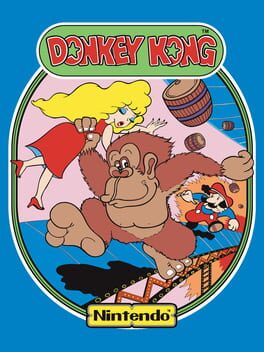
Donkey Kong is the iconic 1981 arcade platformer where players control Jumpman (later known as Mario) as he climbs ladders and avoids obstacles to rescue Pauline from the clumsy ape. The game introduced timeless mechanics like barrel rolling, fireball dodging, and multi-level progression that defined early video gaming. Its simple yet challenging design has made Donkey Kong a staple in retro collections, inspiring countless platformers and remaining a beloved test of timing and skill for gamers of all ages.
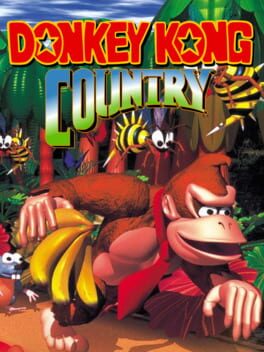
Donkey Kong Country launched in 1994 and set a new standard for platformers with its groundbreaking visual style and tight controls. Players guide Donkey Kong and Diddy Kong through lush environments, battling enemies and collecting bananas to save their island home.
- Timeless and instantly recognizable gameplay.
- Simple controls make it easy to pick up.
- Short levels perfect for quick play sessions.
- Historical significance as a gaming milestone.
- Iconic visual style that still impresses
- Tight and responsive controls
- Rich level variety with secrets
- Co‑op mode adds replay value
- Limited content compared to modern titles.
- Graphics are dated for contemporary players.
- No multiplayer or co‑op mode.
- Limited to 2‑player local co‑op
- No modern online features
- Save system can be unforgiving on original hardware
More alternatives & similar tools
Alternatives to Donkey Kong (1981)
View all →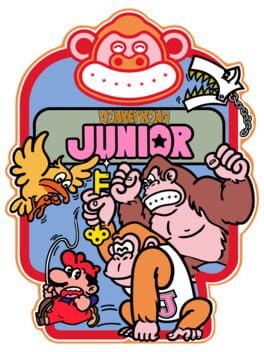
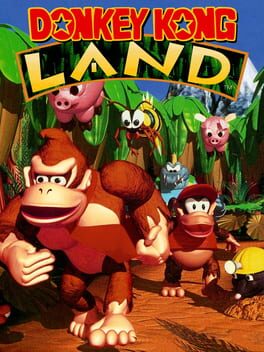
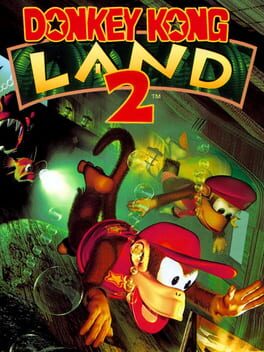
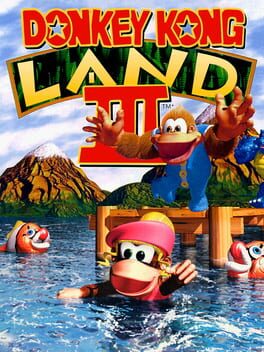
Alternatives to Donkey Kong Country
View all →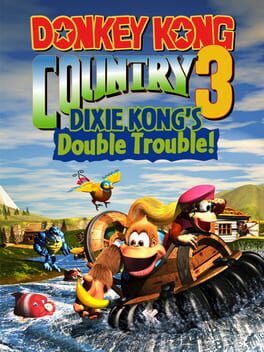
Classic side‑scrolling adventure returns with new challenges.
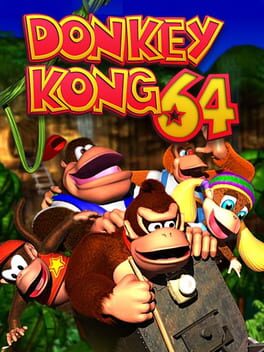
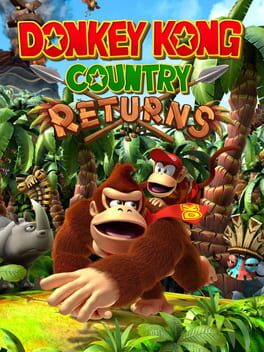
Classic side‑scrolling action returns with fresh challenges and co‑op fun
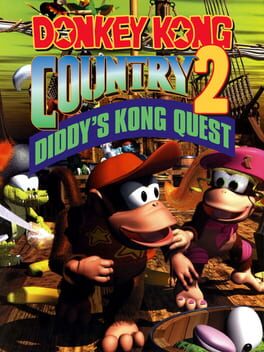
A classic side‑scrolling adventure starring Diddy and Dixie Kong
The Verdict
AI-generated from listing dataDonkey Kong (A) offers a quick, iconic arcade bite for $4.99, while Donkey Kong Country (B) provides deeper platforming, co‑op and richer visuals for $19.99.
Key differences
- •A is a single‑screen, ladder‑based arcade game; B is a side‑scrolling adventure with multiple environments.
- •A costs $4.99 and has very short levels; B costs $19.99 and includes many longer, secret‑filled stages.
- •A has no multiplayer; B adds local two‑player co‑op.
- •Graphics: A uses 1981 pixel art; B uses 1994 pre‑rendered 3D graphics.
- •Content volume: A has four stages; B offers dozens of levels, hidden rooms, and a save system.
Gameplay & fun factor
B adds character switching, puzzles, hidden rooms and boss patterns, delivering richer platforming than A's simple ladder jumps.
Platform availability
Both are single‑player titles available on modern platforms; B also supports local co‑op.
Price & value
A costs $4.99 versus B's $19.99, offering a lower entry price for a classic experience.
Multiplayer / co‑op
B includes a local cooperative mode; A has no multiplayer.
Content & replayability
B provides many levels, secret rooms, save states, and banana collection; A has only four stages.
Difficulty & accessibility
A's simple controls and short levels are easier for casual or novice players; B's puzzles and longer runs are more demanding.
Graphics & performance
B's pre‑rendered 1994 graphics are visually richer than A's 1981 pixel art.
Choose Donkey Kong (1981) if…
Ideal for retro enthusiasts seeking a cheap, quick arcade fix.
Choose Donkey Kong Country if…
Best for players wanting deeper platforming, co‑op, and modern visual appeal.
Common questions
Is the price difference justified by the content?
A costs $4.99 and offers four short stages; B costs $19.99 but includes many levels, secrets, and co‑op.
Can I play with a friend?
Only B supports local two‑player cooperative mode; A is single‑player only.
Which game has better graphics?
B uses 1994 pre‑rendered graphics, which are more detailed than A's 1981 pixel art.