


Donkey Konga vs Taiko no Tatsujin Wii
Side-by-side comparison of features, pricing, ratings, and alternatives.
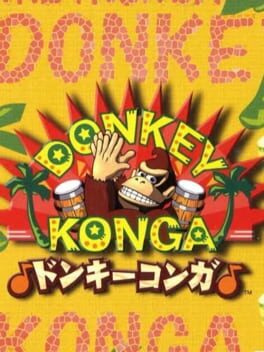

The game features both single‑player challenges and multiplayer split‑screen modes, letting friends compete or cooperate in timed drumming battles. With a track list that includes covers of hits like “We Will Rock You” and Nintendo‑themed songs, it’s a fun musical experience for all ages.
Taiko no Tatsujin Wii brings the beloved arcade drumming experience to the Nintendo Wii, letting players tap along to a wide variety of J‑pop, anime, and classic tracks. The game supports both solo play and split‑screen multiplayer for friendly competition. Available as a standalone title or bundled with the TaTaCon drum controller, it offers precise motion sensing and a fun, family‑friendly atmosphere, perfect for parties and casual rhythm challenges.
- Unique bongo controller adds tactile fun
- Blend of popular and Nintendo songs
- Supports up to four players simultaneously
- Easy to pick up for all ages
- Authentic taiko drumming experience with dedicated controller.
- Split‑screen multiplayer encourages social play.
- Wide variety of music genres keeps gameplay fresh.
- No internet required for full functionality.
- Limited to GameCube hardware
- Licensed songs are shortened covers in some regions
- Track list varies by region, reducing consistency
- Limited to Wii hardware, no modern console ports.
- Song list may feel dated compared to newer rhythm games.
- Requires the optional drum peripheral for best experience.
More alternatives & similar tools
Alternatives to Donkey Konga
View all →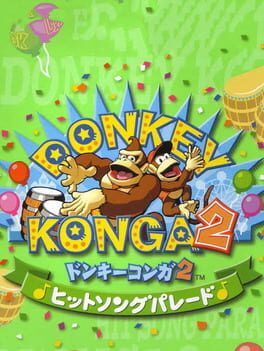
Drum to the beat with Donkey Kong and friends in a fun rhythm party game.
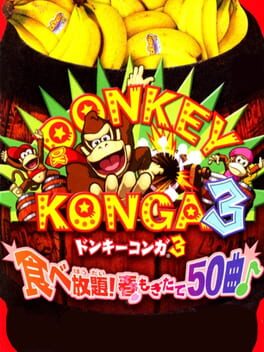
Bongo rhythm party with 57 tracks and new mini‑games, Japan‑only release
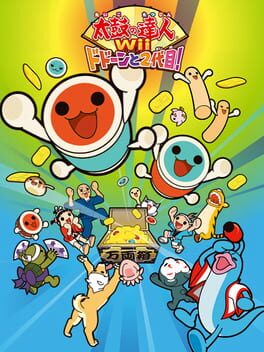
Alternatives to Taiko no Tatsujin Wii
View all →
Hit the drum, party with up to four friends on Wii!
Drum to the beat with Donkey Kong and friends in a fun rhythm party game.
The Verdict
AI-generated from listing dataBoth are one‑time $49.99 rhythm games, but Donkey Konga uses a unique bongo controller on GameCube, while Taiko no Tatsujin Wii offers a higher critic score, broader music variety, and Wii motion support.
Key differences
- •Controller: Donkey Konga requires DK Bongos; Taiko no Tatsujin works best with the optional TaTaCon drum.
- •Platform: Donkey Konga is GameCube‑only; Taiko no Tatsujin runs on Wii only.
- •Critic reception: Donkey Konga scored 60/100, Taiko no Tatsujin scored 78/100.
- •Multiplayer capacity: Donkey Konga supports up to four players; Taiko no Tatsujin supports up to two.
- •Song list: Donkey Konga’s tracks are shortened covers and region‑dependent; Taiko no Tatsujin offers a diverse mix of pop and traditional Japanese songs.
Gameplay & fun factor
Unique bongo peripheral gives tactile novelty, appealing to families and party settings.
Platform availability
Both are single‑platform, but Wii has broader modern relevance than discontinued GameCube.
Price & value
Both priced identically at $49.99; value depends on peripheral ownership.
Multiplayer / co‑op
Supports up to four players split‑screen versus two players for Taiko.
Content & replayability
Higher critic score (78 vs 60) and wider genre variety suggest longer replay appeal.
Difficulty & accessibility
Multiple difficulty settings and simple bongo inputs make it easy for children.
Graphics & performance
Later release (2008) on Wii likely offers more polished visuals than 2003 GameCube title.
Choose Donkey Konga if…
Families with young kids who already own GameCube and want a 4‑player party game.
Choose Taiko no Tatsujin Wii if…
Rhythm enthusiasts with a Wii who prefer higher critical acclaim and broader music selection.
Common questions
Do I need to buy an extra controller for either game?
Yes. Donkey Konga requires the DK Bongos; Taiko no Tatsujin works best with the optional TaTaCon drum.
Which game supports more players at once?
Donkey Konga supports up to four players; Taiko no Tatsujin supports up to two.
Is one game considered better by reviewers?
Taiko no Tatsujin Wii has a higher critic score (78/100) compared to Donkey Konga’s 60/100.