


Double Switch vs Mansion of Hidden Souls
Side-by-side comparison of features, pricing, ratings, and alternatives.
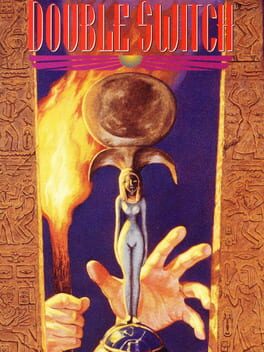
Double Switch is a trap‑'em‑up adventure where you watch live‑action FMV scenes through security cameras and trigger traps to protect the house. Your choices shape the story, leading to multiple outcomes. The game blends puzzle solving, action, and horror in a cinematic 90s style, offering a tense single‑player experience on PC and Mac.
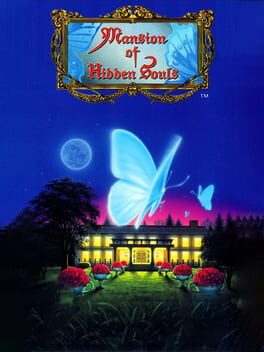
Mansion of Hidden Souls is a first‑person adventure set inside a pre‑rendered, fully filmed mansion. Players guide Jonathan as he searches room‑by‑room, triggering full‑motion video sequences that reveal the eerie story and its talking butterflies. The game blends classic horror atmosphere with puzzle‑solving, requiring players to uncover hidden clues and unlock doors to ultimately find Jonathan’s missing sister.
- Unique blend of FMV and interactive puzzle gameplay.
- Multiple endings encourage replayability.
- Atmospheric horror visuals and sound design.
- Simple controls focused on camera management.
- Immersive FMV presentation
- Strong atmospheric horror tone
- Unique butterfly characters provide memorable dialogue
- Straightforward single‑player experience
- Limited to single‑player experience.
- Graphics are dated by modern standards.
- Trap mechanics can feel repetitive after several playthroughs.
- Static pre‑rendered graphics can feel dated
- Limited interactivity compared to modern adventure games
- Puzzles may be obscure without external hints
More alternatives & similar tools
Alternatives to Double Switch
View all →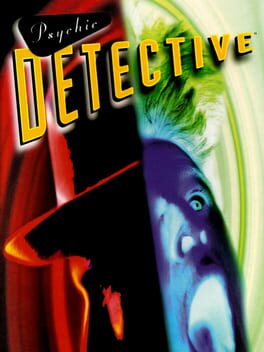
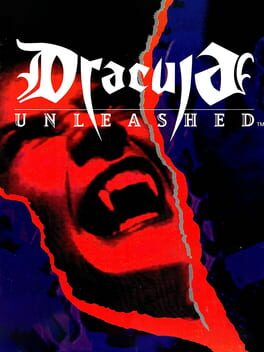
Alternatives to Mansion of Hidden Souls
View all →
Uncover a haunted village with a camera that captures souls.
The Verdict
AI-generated from listing dataBoth are retro FMV horror adventures from 1993, but Double Switch offers more interactive camera‑based puzzles and multiple endings, while Mansion of Hidden Souls provides a linear, first‑person FMV exploration.
Key differences
- •Interaction style: Double Switch uses real‑time camera switching and trap activation; Mansion relies on point‑and‑click hotspots in static scenes.
- •Replayability: Double Switch has multiple story branches and endings; Mansion follows a single linear storyline.
- •Perspective: Double Switch is viewed from security‑camera angles; Mansion is first‑person navigation of pre‑rendered rooms.
- •Graphics focus: Double Switch emphasizes live‑action video with atmospheric lighting; Mansion uses static pre‑rendered backdrops.
- •Developer pedigree: Double Switch by Digital Pictures (also published by Sega); Mansion by System Sacom (published by Vic Tokai and Sega).
Gameplay & fun factor
Double Switch adds real‑time camera puzzles and trap mechanics, offering more active gameplay than Mansion's static hotspot clicks.
Platform availability
Both are 1993 releases with no platform details provided; availability cannot be distinguished.
Pricing & value
Only Double Switch lists a price ($19.99); Mansion's price is not specified, so value comparison is inconclusive.
Multiplayer / co‑op
Both are single‑player only.
Content & replayability
Multiple endings and branching traps in Double Switch increase replay value versus Mansion's single linear path.
Difficulty & accessibility
Mansion's straightforward point‑and‑click may be easier for newcomers than Double Switch's timing‑based camera puzzles.
Graphics & performance
Mansion uses static pre‑rendered backdrops, which are less demanding than Double Switch's live‑action video that may feel dated.
Choose Double Switch if…
Players who want interactive puzzles, multiple endings, and a camera‑control challenge.
Choose Mansion of Hidden Souls if…
Players who prefer a simple, linear FMV story with minimal timing pressure.
Common questions
What is the price of each game?
Double Switch costs $19.99; Mansion of Hidden Souls price is not listed.
Do either of the games support multiplayer?
Both are single‑player only.
Which game offers more replay value?
Double Switch, because it has multiple story branches and endings based on trap outcomes.