


Dragon Ball Z: Hyper Dimension vs Dragon Ball Z: Ultimate Battle 22
Side-by-side comparison of features, pricing, ratings, and alternatives.
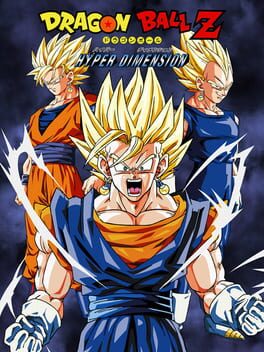
Dragon Ball Z: Hyper Dimension brings the most memorable battles from the anime to the Super Famicom with classic 2D fighting mechanics. The game features a roster of fan‑favorite characters and stages that capture the spirit of the series.
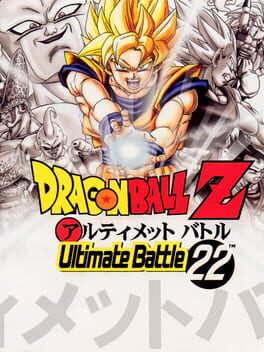
Step into the world of Dragon Ball Z with Ultimate Battle 22, a classic fighting experience that lets you control 22 playable characters, each equipped with a unique set of moves, kicks, spins, slashes, and special attacks. The game captures the high‑energy combat of the series while delivering tight controls and responsive gameplay for both solo and competitive play. Unlock five hidden fighters—including Master Roshi, Kid Goku, Super Saiyan 3 Goku, Vegito, and Mr. Hercule Satan—by entering a secret command, expanding the roster and adding fresh strategies for seasoned players.
- Authentic DBZ storyline
- Responsive controls
- Varied character roster
- Retro visual charm
- Large roster of 22 playable characters
- Unlockable secret fighters add depth
- Responsive controls suitable for arcade sticks
- Authentic DBZ aesthetic and sound
- Limited to 2D plane
- No online multiplayer
- Original SNES graphics may feel dated
- Limited to 2‑player local multiplayer
- Graphics are dated by modern standards
- No online matchmaking support
More alternatives & similar tools
Alternatives to Dragon Ball Z: Hyper Dimension
View all →Fight with 22 iconic DBZ characters in fast‑paced arcade action
Epic DBZ battles with manga‑style graphics and destructible arenas.
High‑energy DBZ fighting on the go with 18 characters and Wi‑Fi duels
Alternatives to Dragon Ball Z: Ultimate Battle 22
View all →
Epic DBZ battles with manga‑style graphics and destructible arenas.
The Verdict
AI-generated from listing dataBoth are classic 2D DBZ fighters with local multiplayer only, but B offers a much larger roster and unlockables, while A has a known lower price and a power‑up gauge.
Key differences
- •Roster size: 12 characters in A vs 22 (+5 secret) in B.
- •Price info: A lists $19.99 MSRP; B’s price is not provided.
- •Gameplay depth: A includes a power‑up gauge; B adds unlockable secret fighters.
- •Release date: A released 1996‑03‑29; B released 1995‑07‑28.
- •Publisher list: A only Bandai; B includes Bandai, Infogrames, Atari Games.
Gameplay & fun factor
B’s larger roster and unlockable characters provide more variety and combo options.
Platform availability
Platform details are not specified for either game.
Price & value
A lists a concrete MSRP of $19.99; B’s price is not given.
Multiplayer / co-op
Both support only local single‑player and two‑player versus modes.
Content & replayability
B offers 22 base fighters plus 5 hidden ones, increasing replay value over A’s 12.
Difficulty & accessibility
Both advertise responsive controls; no specific difficulty data provided.
Graphics & performance
Both use mid‑90s 2D sprite graphics described as dated.
Choose Dragon Ball Z: Hyper Dimension if…
Buyers who want a known low price and enjoy a power‑up gauge with classic DBZ story.
Choose Dragon Ball Z: Ultimate Battle 22 if…
Buyers who prioritize the biggest character selection and unlockable fighters.
Common questions
What is the price of each game?
A lists an MSRP of $19.99; B’s price is not specified in the provided facts.
Do either of the games support online multiplayer?
No. Both only offer local single‑player and two‑player versus modes.
Which game has more playable characters?
A has 12 characters; B has 22 base characters plus 5 secret unlockables.