Dream vs Mind: Path to Thalamus
Side-by-side comparison of features, pricing, ratings, and alternatives.
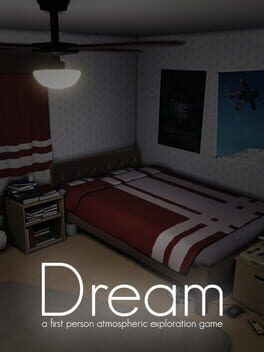
Dream puts you in the shoes of Howard Phillips, a directionless graduate obsessed with his own dreams. The game blends exploration, puzzle‑solving, and horror as you wander through surreal environments inspired by titles like Yume Nikki and LSD. Inspired by narrative‑heavy experiences such as Dear Esther and Deus Ex, Dream offers non‑linear storytelling, atmospheric moments, and challenging puzzles that reveal deeper meanings about Howard's life. Single‑player adventure for PC.
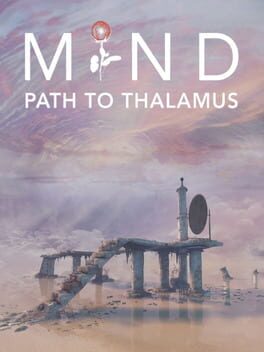
Mind: Path to Thalamus drops you into a dream‑like world after a catastrophic tornado forces the protagonist into a surreal landscape. As you wander through bizarre environments, you solve environmental puzzles while listening to his haunting monologues about loss and guilt. The game blends atmospheric storytelling with mind‑bending mechanics, guiding you toward a massive tree called the Thalamus in hopes of reuniting with his daughter Sophia. Its emotive narrative and striking visuals create an unforgettable indie adventure.
- Rich, atmospheric dream environments
- Deep, non‑linear storytelling
- Challenging and varied puzzles
- Strong indie aesthetic and design
- Stunning surreal visuals
- Engaging, emotional storyline
- Innovative environmental puzzle mechanics
- Available on PC, Mac, Linux, and Switch
- Limited replayability after story completion
- Occasional cryptic puzzles may frustrate some players
- No multiplayer or co‑op options
- Limited length may leave some players wanting more
- No multiplayer or co‑op options
- Occasional obscure puzzle solutions can be frustrating
More alternatives & similar tools
Alternatives to Dream
View all →A surreal first‑person puzzler where you bend reality to find your lost daughter.
A terrifying first‑person horror puzzle adventure that haunts your mind.