


Dream vs Silent Hill 4: The Room
Side-by-side comparison of features, pricing, ratings, and alternatives.
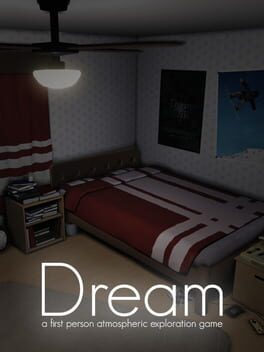
Dream puts you in the shoes of Howard Phillips, a directionless graduate obsessed with his own dreams. The game blends exploration, puzzle‑solving, and horror as you wander through surreal environments inspired by titles like Yume Nikki and LSD. Inspired by narrative‑heavy experiences such as Dear Esther and Deus Ex, Dream offers non‑linear storytelling, atmospheric moments, and challenging puzzles that reveal deeper meanings about Howard's life. Single‑player adventure for PC.
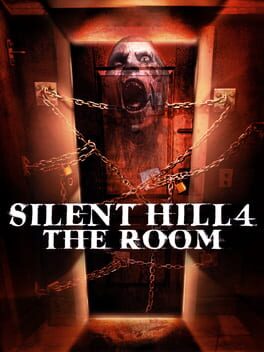
Silent Hill 4: The Room plunges players into a claustrophobic survival horror experience, where the protagonist Henry Townshend is locked inside his apartment and forced to explore nightmarish alternate dimensions. The game blends first‑person exploration, puzzle solving, and intense combat to deliver a chilling narrative that expands the Silent Hill mythos. With its atmospheric sound design, unsettling visuals, and intricate story, the title offers a deep, immersive horror adventure that challenges players to uncover the truth behind the cursed apartment while battling grotesque creatures and solving cryptic riddles.
- Rich, atmospheric dream environments
- Deep, non‑linear storytelling
- Challenging and varied puzzles
- Strong indie aesthetic and design
- Deep, atmospheric horror experience
- Innovative use of a confined apartment hub
- Engaging puzzles that reward exploration
- Rich narrative that expands the Silent Hill universe
- Limited replayability after story completion
- Occasional cryptic puzzles may frustrate some players
- No multiplayer or co‑op options
- Limited combat variety can feel repetitive
- Occasional frame rate issues on older hardware
- Linear progression restricts player freedom
More alternatives & similar tools
Alternatives to Dream
View all →
Navigate deadly nightmares and relationship drama in this thrilling puzzle-platformer.
A terrifying first‑person horror puzzle adventure that haunts your mind.
Alternatives to Silent Hill 4: The Room
View all →
A chilling reimagining of Silent Hill that reshapes your memories.
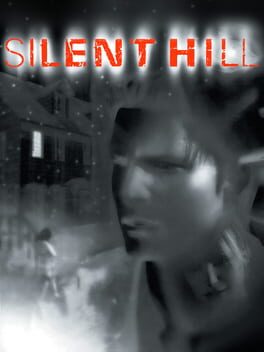
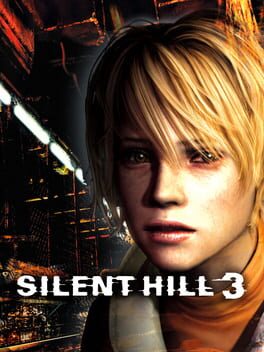
A nightmarish sequel that plunges you deeper into Silent Hill’s terrifying secrets
The Verdict
AI-generated from listing dataDream offers a newer, atmospheric indie puzzle adventure at a lower price, while Silent Hill 4 provides classic horror with combat and a higher price.
Key differences
- •Release date and engine age: Dream (2015) vs Silent Hill 4 (2004).
- •Core gameplay focus: Dream emphasizes puzzles and narrative; Silent Hill 4 adds combat and a sanity system.
- •Price: Dream $14.99 vs Silent Hill 4 $19.99.
- •Target audience: Dream for indie puzzle fans; Silent Hill 4 for horror enthusiasts seeking action.
- •Replayability: Dream limited after story; Silent Hill 4 offers some replay via multiple portals but still linear.
Pricing & value
Dream costs $14.99, $5 less than Silent Hill 4's $19.99, offering similar single‑player experience.
Gameplay & fun factor
Silent Hill 4 adds combat, sanity mechanics, and dynamic lighting, providing more varied gameplay than Dream's pure puzzles.
Multiplayer / co‑op
Both are single‑player only; no multiplayer options for either.
Content & replayability
Silent Hill 4 includes multiple portal dimensions and a richer narrative, giving slightly more replay potential than Dream's limited post‑story replay.
Difficulty & accessibility
Dream's puzzles are challenging but lack combat difficulty; Silent Hill 4's combat can be repetitive and harder for some players.
Graphics & performance
Silent Hill 4 notes occasional frame‑rate issues on older hardware; Dream has no reported performance concerns.
Platform availability
Both are listed as single‑player PC titles; no platform differences are specified.
Choose Dream if…
Players who prefer a lower‑cost, narrative‑driven indie puzzle experience.
Choose Silent Hill 4: The Room if…
Horror fans who want combat, sanity mechanics, and classic Silent Hill storytelling.
Common questions
Which game is cheaper?
Dream costs $14.99; Silent Hill 4 costs $19.99.
Do either of the games have multiplayer?
No. Both are single‑player only.
Is combat a part of Dream?
No. Dream focuses on puzzles and exploration; combat is only in Silent Hill 4.