


Dungeon Master II: The Legend of Skullkeep vs Dungeon Master Nexus
Side-by-side comparison of features, pricing, ratings, and alternatives.
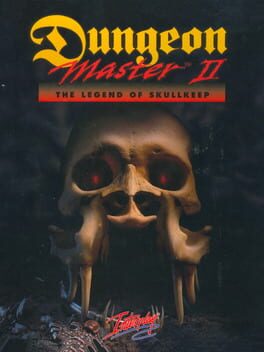
The title retains the original’s skill‑based progression, where abilities improve through use, and adds primitive dynamic lighting and ambient sound cues to heighten immersion. Released in 1994 for Mac, it remains a classic example of early immersive RPG design.
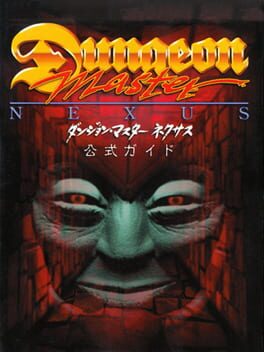
Dungeon Master Nexus brings the classic Dungeon Master series into a 3D world, offering players a single‑player adventure across 15 handcrafted levels. Set atop Mount Anaias and deep beneath its ruins, the game blends puzzle solving with role‑playing elements in a richly detailed fantasy setting. The story follows the ailing archmage Grey Lord and his priest Theron, who seeks the rare Sanbarido fruit to aid his mentor. Players must navigate treacherous terrain, uncover hidden secrets, and confront the rising underground threat.
- Innovative real-time first-person interface
- Deep rune‑based spell creation
- Atmospheric sound and lighting effects
- Skill progression tied to actual use
- Innovative 3D transition for a classic series
- Deep fantasy storyline with memorable characters
- Challenging puzzles that reward logical thinking
- Rich atmospheric audio and visuals
- Dated graphics by modern standards
- Steep learning curve for rune system
- Limited documentation and tutorials
- Dated control scheme by modern standards
- Limited save system can be unforgiving
- Graphics, while 3D, show their age
More alternatives & similar tools
Alternatives to Dungeon Master II: The Legend of Skullkeep
View all →
Embark on a legendary quest to restore balance in a world of elemental magic.
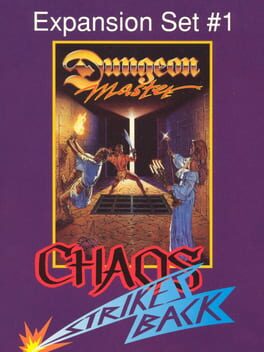
A classic 1989 real‑time fantasy RPG expansion with a tougher dungeon to conquer
Alternatives to Dungeon Master Nexus
View all →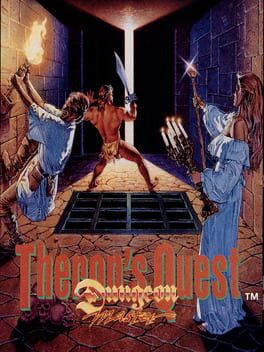
Brave Theron through brutal beasts and treacherous mazes to reclaim the Seven Great Treasures.
A classic 1989 real‑time fantasy RPG expansion with a tougher dungeon to conquer
Real-time first-person fantasy RPG with innovative rune-based spellcasting.
The Verdict
AI-generated from listing dataDungeon Master Nexus offers a newer 3D experience with richer story and puzzles at a higher price, while Dungeon Master II provides classic first‑person gameplay for less but with older graphics and a steep rune system.
Key differences
- •Graphics engine: Nexus uses a fully 3D engine (1998) vs. II’s 1994 first‑person 2D/3D hybrid.
- •Spell system: Nexus uses traditional RPG stats; II features a rune‑based spell creation system.
- •Price: Nexus $49.99 vs. II $19.99.
- •Content volume: Nexus has 15 distinct levels; II’s level count not specified.
- •Skill progression: Nexus uses stats and experience; II improves skills directly through use.
Gameplay & fun factor
Nexus combines RPG stats with real‑time tactics and 15 varied puzzles, offering broader gameplay than II’s single rune system.
Platform availability
II runs natively on Mac preserving the original 1994 experience; Nexus platform not specified.
Price & value
II costs $19.99 versus Nexus $49.99, giving more budget-friendly entry.
Multiplayer / co‑op
Both are single‑player only.
Content & replayability
Nexus explicitly offers 15 distinct levels with unique puzzles; II’s content volume is not detailed.
Difficulty & accessibility
II’s rune system has a steep learning curve, but Nexus has dated controls and limited save points, making it harder for modern players.
Graphics & performance
Nexus uses a fully 3D engine (newer than II’s 1994 graphics), though both are dated by modern standards.
Choose Dungeon Master II: The Legend of Skullkeep if…
Buyers on a budget who prefer classic first‑person RPG feel and can handle a steep rune system.
Choose Dungeon Master Nexus if…
Buyers who want a richer story, more puzzles, and a 3D world and are willing to pay more.
Common questions
Which game is cheaper?
Dungeon Master II costs $19.99; Dungeon Master Nexus costs $49.99.
Do either games support multiplayer?
Both are single‑player only.
Which game has more levels or content?
Nexus lists 15 distinct levels; II does not specify level count.