


Dust: An Elysian Tail vs Sacred
Side-by-side comparison of features, pricing, ratings, and alternatives.
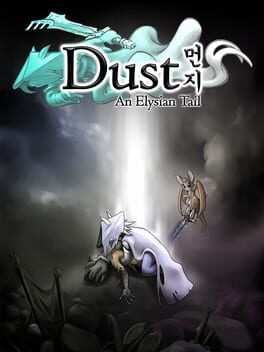
Immerse yourself in a gorgeous hand‑painted world as the mysterious warrior Dust, searching for his true identity. The game blends platforming, RPG elements, and hack‑and‑slash combat across peaceful glades, snowy mountaintops, and ancient ruins. Take on quests from villagers, uncover hidden upgrades, and battle dozens of enemies with the mythical Blade of Ahrah and its tiny guardian Fidget. The open‑world adventure offers a deep combat system that’s easy to learn but hard to master, revealing the secrets of a dying civilization as you fight to discover your past.
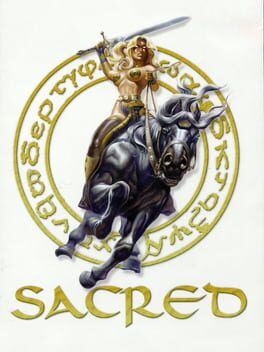
Sacred is an open‑world action role‑playing game set in the richly detailed continent of Ancaria. Players choose from multiple distinct classes and embark on a quest to defeat the evil god Dark Faith while uncovering hidden secrets. The game offers both single‑player and multiplayer modes, allowing friends to team up online or via LAN. With a deep loot system, skill trees, and a vibrant fantasy setting, Sacred delivers countless hours of exploration and combat.
- Stunning hand‑painted visuals
- Responsive and deep combat system
- Rich world with many secrets
- Engaging story and character development
- Expansive open world with diverse environments
- Multiple classes offering varied gameplay
- Solid multiplayer co‑op experience
- Rich loot and skill customization
- Limited replayability after main story
- Occasional performance dips on older hardware
- Linear progression in some areas
- Outdated graphics by modern standards
- Occasional AI pathfinding issues
- Steep learning curve for new players
More alternatives & similar tools
Alternatives to Dust: An Elysian Tail
View all →
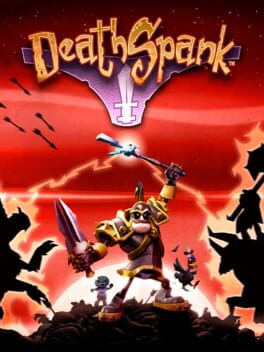
Embark on a thong-tastic adventure as DeathSpank, the Dispenser of Justice and Vanquisher of Evil.
Alternatives to Sacred
View all →
The Verdict
AI-generated from listing dataDust: An Elysian Tail offers a polished single‑player indie experience with stunning hand‑painted visuals at a low price, while Sacred provides a massive, multiplayer‑focused RPG world at a higher cost but with dated graphics.
Key differences
- •Price: $14.99 vs $49.99
- •Multiplayer: Dust is single‑player only; Sacred supports up to 8‑player co‑op
- •World size & scope: Sacred’s 30,000 km² seamless world vs Dust’s smaller open world
- •Graphics era: Dust (2012) has newer visuals; Sacred (2004) is considered outdated
- •Replayability: Sacred’s classes, loot, and mod tools vs Dust’s limited replay after main story
Gameplay & fun factor
Dust features responsive combat combos and aerial attacks praised in its pros; Sacred’s steep learning curve noted as a con.
Platform availability
Both are PC titles; no platform data beyond that is provided.
Price & value
Dust costs $14.99 versus Sacred’s $49.99, offering similar single‑player content for far less.
Multiplayer / co‑op
Sacred supports up to eight‑player online co‑op; Dust is single‑player only.
Content & replayability
Sacred includes multiple classes, extensive loot, crafting, skill trees, and mod tools, enhancing replay; Dust has limited replay after main story.
Difficulty & accessibility
Dust is rated ESRB E10+ (easier for younger players); Sacred is ESRB T and noted for a steep learning curve.
Graphics & performance
Dust’s hand‑painted art (2012) is praised; Sacred’s graphics are described as outdated by modern standards.
Choose Dust: An Elysian Tail if…
Players seeking a beautiful, affordable single‑player indie adventure with easy accessibility.
Choose Sacred if…
Players who want a huge world, multiplayer co‑op, deep customization, and don’t mind older graphics.
Common questions
Which game offers multiplayer?
Sacred supports online co‑op for up to eight players; Dust is single‑player only.
Is the price difference justified?
Dust costs $14.99 and provides a complete single‑player experience, while Sacred costs $49.99 and adds multiplayer, multiple classes, and extensive mod support.
Which game has better graphics?
Dust features a newer hand‑painted art style (2012) praised for visuals; Sacred’s graphics are considered outdated (2004).