


Eldorado Gate Volume 2 vs Eldorado Gate Volume 3
Side-by-side comparison of features, pricing, ratings, and alternatives.


Released on December 12, 2000 for the Dreamcast, this volume expands the series' intricate world‑building while maintaining a single‑player focus. Players experience a blend of turn‑based combat, character‑driven storytelling, and exploration across diverse environments, all designed to fit into Capcom's bi‑monthly release schedule.
Eldorado Gate Volume 3 continues the innovative serial RPG format introduced by Capcom, delivering one of three interrelated adventures on a single Dreamcast GD‑ROM. Players follow a distinct character's storyline while uncovering connections to the broader narrative across the series. Released in early 2001, this volume deepens the overarching plot, offering new locations, combat mechanics, and story revelations that set the stage for the series finale. It remains a single‑player experience designed for fans of story‑driven role‑playing games.
- Innovative serial format keeps players engaged over time
- Three distinct adventures provide varied gameplay within one disc
- Strong character development across the series
- Strategic turn‑based combat depth
- Rich, interwoven storyline across volumes
- Distinct character-focused chapters
- Turn‑based combat with strategic depth
- Authentic Dreamcast visual style
- Limited to single‑player experience
- Only available on legacy Dreamcast hardware
- Story reliance on previous volumes may confuse newcomers
- Limited to single‑player experience
- Requires previous volumes for full context
- Original hardware only; no official modern ports
More alternatives & similar tools
Alternatives to Eldorado Gate Volume 2
View all →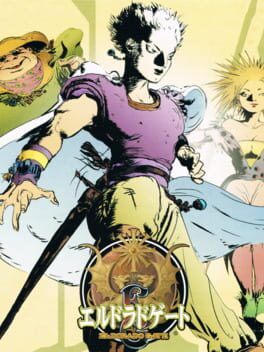
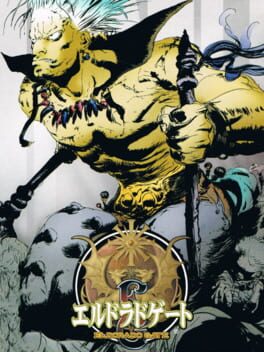

An episodic Dreamcast RPG adventure continuing the intertwined saga of 12 heroes.
Alternatives to Eldorado Gate Volume 3
View all →An episodic Dreamcast RPG adventure continuing the intertwined saga of 12 heroes.

A serialized Dreamcast RPG adventure split across three interlinked stories
The Verdict
AI-generated from listing dataBoth are classic Dreamcast RPGs with identical price and single‑player focus; choose Volume 2 for the earlier entry point, or Volume 3 if you want the newest chapter and its expanded storyline.
Key differences
- •Release date: Volume 2 (2000‑12‑12) precedes Volume 3 (2001‑02‑02).
- •Narrative position: Volume 2 is an earlier chapter, while Volume 3 continues the story and ties back to earlier volumes.
- •Content scope: Volume 3 explicitly notes three distinct adventures on one GD‑ROM and a bestiary/item catalog that updates across volumes; Volume 2 mentions three chapters but no catalog feature.
- •Age rating: Only Volume 2 lists an ESRB T rating; Volume 3 provides no rating.
- •Voice localization: Volume 3 specifies Japanese voice acting with subtitles; Volume 2 does not mention voice tracks.
Gameplay & fun factor
Both use turn‑based combat, three interlinked chapters, and single‑player focus; no factual advantage for either.
Platform availability
Both are limited to legacy Dreamcast hardware with no modern ports.
Price & value
Both list MSRP $49.99; identical cost and no extra DLC.
Multiplayer / co‑op
Both are single‑player only.
Content & replayability
Volume 3 adds an integrated bestiary/item catalog that updates, offering more tracking for repeat play.
Difficulty & accessibility
No difficulty or accessibility details are provided for either title.
Graphics & performance
Both retain classic Dreamcast pixel‑art/2D sprite style; no performance differences noted.
Choose Eldorado Gate Volume 2 if…
Buy Volume 2 if you are starting the series or prefer the earlier entry with an ESRB T rating.
Choose Eldorado Gate Volume 3 if…
Buy Volume 3 if you already own earlier volumes or want the latest chapter with catalog features.
Common questions
Do I need the previous volumes to enjoy Volume 3?
Yes, Volume 3’s story interweaves with earlier volumes, so full context requires the prior games.
Is there any difference in price between the two?
No, both are priced at $49.99 MSRP.
Can I play either game on modern consoles?
No, both are only available on original Dreamcast hardware with no official modern ports.