


Evoland vs Final Fantasy I & II: Dawn of Souls
Side-by-side comparison of features, pricing, ratings, and alternatives.
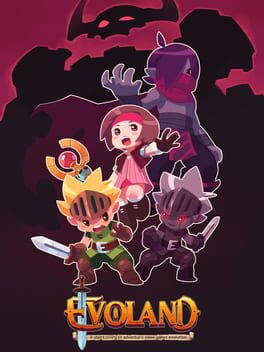
Evoland is a unique action-adventure game that tells the story of the history of gaming, taking you from early monochrome pixels and 2D adventures all the way to modern 3D graphics and real-time boss fights. Inspired by legendary JRPGs and action RPG series like Zelda and Final Fantasy, the game evolves as you progress, unlocking new technologies, gameplay mechanics, and graphical styles along your journey. Packed with plenty of humor and countless references to classic titles, Evoland offers a nostalgic trip down memory lane for veteran gamers while introducing newcomers to the milestones of video game history. Enjoy a seamless blend of turn-based battles, hack-and-slash action, and puzzle-solving across a whimsical fantasy world developed by Shiro Games.
Final Fantasy I & II: Dawn of Souls brings the original two titles to a modern handheld experience, preserving the classic turn‑based combat and epic storytelling. Updated graphics and streamlined menus make the legendary journeys accessible to new players while satisfying longtime fans.
- Clever and nostalgic evolution mechanic
- Witty humor and classic game references
- Diverse mix of gameplay styles and eras
- Available across multiple platforms
- Faithful to original story
- Improved graphics and UI
- Touchscreen save convenience
- Rich job system variety
- Short overall campaign length
- Linear gameplay with limited replay value
- Combines multiple genres without deeply mastering any single one
- Outdated difficulty spikes
- Limited modern quality‑of‑life features
- Short overall length
More alternatives & similar tools
Alternatives to Evoland
View all →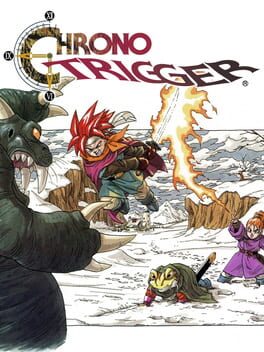
Travel through time to save the world from an ancient destructive force in this classic JRPG.
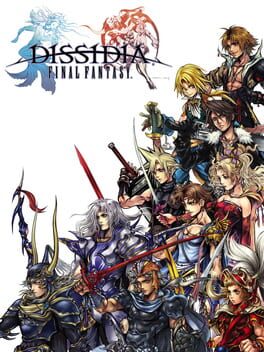
Alternatives to Final Fantasy I & II: Dawn of Souls
View all →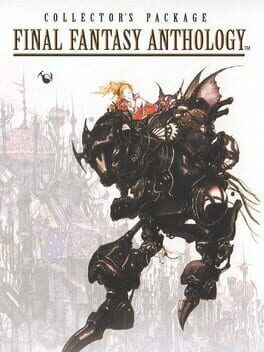
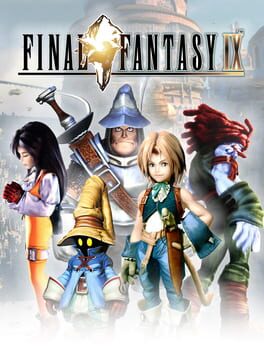
A classic fantasy RPG adventure with memorable characters and a timeless story.
The Verdict
AI-generated from listing dataEvoland offers a quirky, short single‑player adventure that celebrates gaming history, while Final Fantasy I & II delivers a faithful, classic RPG experience with stronger job system depth but higher difficulty.
Key differences
- •Gameplay variety: Evoland switches mechanics across eras; FF I & II sticks to turn‑based RPG combat.
- •Narrative focus: Evoland adds humor and meta references; FF I & II preserves the original story unchanged.
- •Critical reception: Evoland scores 80/100 vs. FF I & II’s 50/100.
- •Difficulty: FF I & II has noted outdated difficulty spikes; Evoland is generally lighter.
- •Replay value: Evoland is linear and short; FF I & II’s job system offers more customization but still limited replay.
Gameplay & fun factor
Evoland mixes platforming, puzzles, and combat across eras, offering broader variety than FF I & II’s single turn‑based system.
Platform availability
Both are listed as single‑player titles; no platform specifics provided, so availability appears comparable.
Price & value
Both priced at $9.99, offering similar cost for a full game.
Multiplayer / co‑op
Both are single‑player only.
Content & replayability
FF I & II’s job system provides more character customization, extending replay despite overall short length.
Difficulty & accessibility
Evoland lacks the noted difficulty spikes of FF I & II, making it more accessible.
Graphics & performance
FF I & II features fully remastered 2D sprites; Evoland’s graphics evolve but are stylistically retro.
Choose Evoland if…
Players who want a short, humorous homage to gaming history with varied mechanics.
Choose Final Fantasy I & II: Dawn of Souls if…
Fans seeking a classic turn‑based RPG with deep job customization and authentic story.
Common questions
Do either of these games support saving anywhere?
Final Fantasy I & II includes save‑anywhere functionality; Evoland does not mention this feature.
Which game has better critical reception?
Evoland has a critic score of 80/100, while Final Fantasy I & II scores 50/100.
Are there any multiplayer options?
Both titles are single‑player only.