


Extreme-G vs XGRA: Extreme G Racing Association
Side-by-side comparison of features, pricing, ratings, and alternatives.
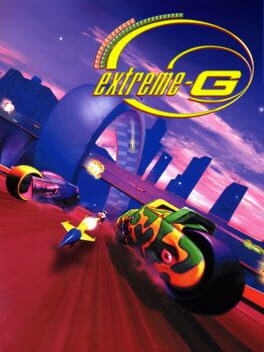
Extreme-G thrusts players into a distant future where Earth is a wasteland and humanity watches remote-controlled bikes blaze through ancient ruins. The game emphasizes blistering speed, weapon combat, and an F‑Zero‑style energy shield that regenerates during races. Players can compete solo or with friends in split‑screen multiplayer, battling for the top spot while navigating treacherous tracks and using a variety of futuristic weapons to gain an edge.
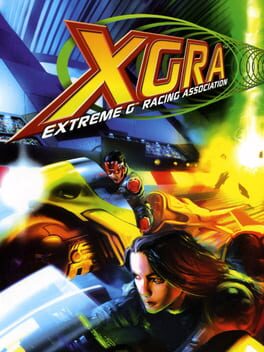
XGRA: Extreme G Racing Association thrusts players into a sci‑fi future where bikes accelerate to 300 mph in seconds and can break the sound barrier at 750 mph, silencing all but the core audio cues. The game expands the Extreme‑G series with new tracks, a revamped weapon system, and eight distinct teams each offering unique bike attributes like regeneration, handling, speed, acceleration, and shielding. Available exclusively on PlayStation 2, XGRA supports both single‑player and split‑screen multiplayer, letting friends race side‑by‑side. With its blend of high‑octane racing, strategic weapon use, and sci‑fi aesthetics, the title delivers a fast‑paced, action‑packed experience for fans of futuristic competition.
- Thrilling high-speed gameplay
- Variety of weapons add strategic depth
- Energy shield adds a unique defensive layer
- Split-screen multiplayer for local competition
- Incredible acceleration and top speeds
- Innovative sound‑barrier mechanic adds tension
- Varied team attributes encourage strategic choices
- Split‑screen multiplayer enhances replayability
- Graphics are dated by modern standards
- Limited track variety compared to newer titles
- Steep learning curve for handling extreme speeds
- Graphics are dated by modern standards
- Limited track variety compared to contemporary racers
- AI can be inconsistent in difficulty
More alternatives & similar tools
Alternatives to Extreme-G
View all →

Futuristic high‑speed racing with weapons and sound‑barrier thrills.

Alternatives to XGRA: Extreme G Racing Association
View all →
The Verdict
AI-generated from listing dataBoth are dated futuristic bike racers with split‑screen play, but XGRA (2003) offers higher speeds and team variety, while Extreme‑G (1997) is cheaper and rated for all ages.
Key differences
- •Release year: XGRA (2003) vs Extreme‑G (1997) – newer engine and features in XGRA.
- •Speed mechanics: XGRA includes a sound‑barrier at 750 mph; Extreme‑G does not.
- •Team system: XGRA has eight selectable teams with distinct attributes; Extreme‑G lacks this.
- •Age rating: XGRA is ESRB T (teen); Extreme‑G is ESRB E (everyone).
- •Price info: Extreme‑G lists $49.99 MSRP; XGRA’s price not specified.
Gameplay & fun factor
XGRA adds sound‑barrier mechanic and team attributes, giving more strategic depth than Extreme‑G.
Platform availability
Neither product lists specific platforms; both are legacy titles likely on similar older consoles.
Price & value
Extreme‑G provides a concrete MSRP ($49.99) while XGRA’s price is not specified.
Multiplayer / co‑op
Both support split‑screen local multiplayer for up to two players.
Content & replayability
XGRA offers eight teams and a larger track selection versus Extreme‑G’s limited tracks.
Difficulty & accessibility
Extreme‑G is rated ESRB E and noted for a steep learning curve, making it more accessible to younger players.
Graphics & performance
Both are described as having dated graphics by modern standards.
Choose Extreme-G if…
Buyers who need a cheaper, all‑ages title with a clear price and are fine with older (1997) graphics.
Choose XGRA: Extreme G Racing Association if…
Players wanting more speed variety, team strategy, and newer (2003) features, and who are okay with a teen rating.
Common questions
Which game is cheaper?
Extreme‑G lists an MSRP of $49.99; XGRA’s price is not provided.
Is either game suitable for children?
Extreme‑G is ESRB E (Everyone); XGRA is ESRB T (Teen).
Do both games support local multiplayer?
Yes, each offers split‑screen multiplayer for head‑to‑head play.