


Fighting Force vs Streets of Rage
Side-by-side comparison of features, pricing, ratings, and alternatives.
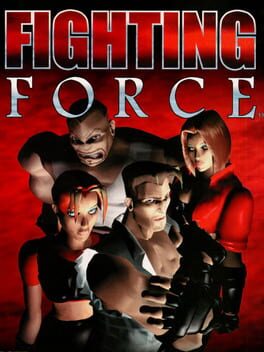
Fighting Force puts you in the shoes of one of four distinct characters as they battle Dr. Zeng’s army through a variety of gritty cityscapes and futuristic settings. From a police‑blocked skyscraper to a shopping mall, subway, Coast Guard base, and finally Zeng’s island headquarters, the game delivers nonstop beat‑'em‑up action.
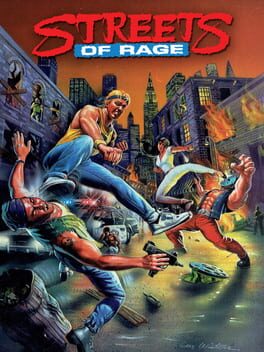
Streets of Rage is a legendary side-scrolling beat 'em up video game developed and published by Sega in 1991 for the Mega Drive/Genesis. When a powerful criminal syndicate takes over the city and corrupts the police force, three ex-police officers—Adam, Axel, and Blaze—take to the streets to fight back. Players can battle through wave after wave of thugs alone or team up with a friend in two-player co-op mode. Featuring an iconic electronic dance soundtrack and multiple endings based on player choices, it remains a defining classic of the genre.
- Four distinct playable characters
- Varied weapon selection
- Branching level paths
- Both single and multiplayer modes
- Incredible and timeless electronic music soundtrack
- Engaging two-player cooperative gameplay mode
- Distinct playable characters with unique fighting attributes
- Memorable boss battles and atmospheric urban stages
- Graphics are dated by modern standards
- Limited AI sophistication
- Occasional control stiffness
- Can feel repetitive during extended single-player sessions
- Limited moveset compared to later sequels in the franchise
- No online multiplayer in the original release
More alternatives & similar tools
Alternatives to Fighting Force
View all →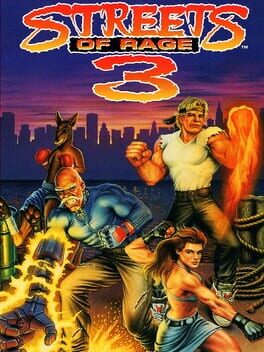
Stop Mr. X and his robot duplicates in this classic beat 'em up action game.
Alternatives to Streets of Rage
View all →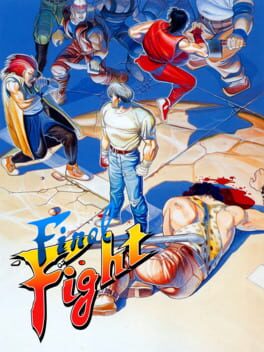
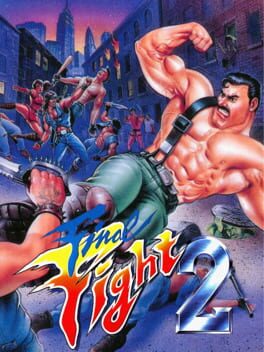
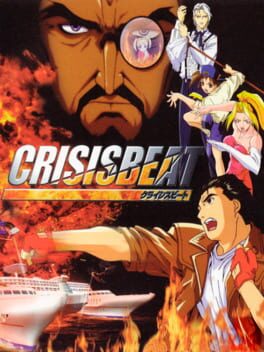
Battle the resurgent Mad Gear Gang across the globe in this classic beat 'em up.
The Verdict
AI-generated from listing dataStreets of Rage offers classic 1991 beat‑em‑up action with iconic music and local co‑op, while Fighting Force adds more characters, weapons, and branching levels but has a higher age rating and dated graphics.
Key differences
- •Number of playable characters: 3 vs 4.
- •Level structure: linear vs branching routes.
- •Weapon variety: limited vs eclectic arsenal.
- •Age rating: ESRB E10+ vs T.
- •Release era graphics: 1991 retro vs 1997 retro (both dated).
Gameplay & fun factor
Fighting Force adds weapons and branching paths, offering more variety than Streets of Rage's simpler beat‑em‑up.
Platform availability
Both are listed only as paid titles with no specific platform data provided.
Price & value
Fighting Force lists an MSRP of $49.99; Streets of Rage price not specified, so value cannot be directly compared.
Multiplayer / co‑op
Streets of Rage explicitly supports local two‑player co‑op; Fighting Force mentions multiplayer but not co‑op specifics.
Content & replayability
Fighting Force offers four characters, branching territories, and a larger weapon pool, increasing replay options.
Difficulty & accessibility
Streets of Rage has an ESRB E10+ rating, indicating lower difficulty and broader accessibility than Fighting Force's T rating.
Graphics & performance
Both use retro graphics from the early‑ to mid‑90s era; each is dated by modern standards.
Choose Fighting Force if…
Players seeking more characters, weapons, and branching levels, and who don’t mind a higher age rating.
Choose Streets of Rage if…
Retro purists who want classic beat‑em‑up feel, iconic soundtrack, and family‑friendly co‑op.
Common questions
Which game is cheaper?
Fighting Force lists an MSRP of $49.99; Streets of Rage price is not specified.
Can I play with friends locally?
Streets of Rage supports local two‑player co‑op; Fighting Force supports multiplayer but co‑op details are not specified.
Is either game suitable for younger players?
Streets of Rage is rated ESRB E10+, while Fighting Force is rated T, making Streets of Rage more appropriate for younger gamers.