


Fire Emblem: Shadow Dragon vs Summon Night: Swordcraft Story
Side-by-side comparison of features, pricing, ratings, and alternatives.
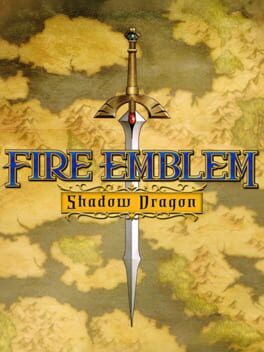
Fire Emblem: Shadow Dragon is a faithful remake of the Famicom classic that brings tactical role-playing depth to the Nintendo DS. Players assume the role of Prince Marth as he embarks on an epic quest to reclaim his homeland of Altea and defeat the evil Shadow Dragon, Medeus. The game introduces refined mechanics, including the ability to reclass units into entirely different character classes to drastically alter your tactical approach on the battlefield. With unforgiving permadeath and deep strategic gameplay, it serves as a defining entry for both veterans and newcomers to the tactical RPG genre.
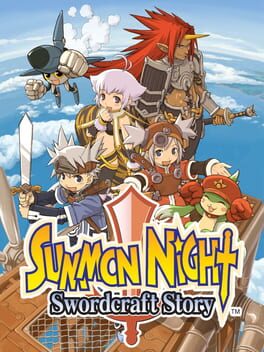
Set in the magical land of Lyndbaum, you play as an apprentice Craftknight seeking the title of Craftlord. After three years of your father's disappearance, you enter a tournament that forces you to craft your own weapons and bond with a Guardian Beast. The game blends side‑scrolling real‑time combat with deep weapon‑crafting mechanics, night‑time interactions that shape the story, and a light‑hearted comedic tone that keeps the adventure fresh.
- Faithful and polished remake of the NES original
- Introduction of the flexible character reclassing system
- Deep, rewarding tactical turn-based combat mechanics
- Engaging fantasy storyline with iconic series characters
- Deep and rewarding crafting system
- Engaging real‑time combat with magical partners
- Charming characters and humorous dialogue
- Multiple story routes encourage replay
- Presentation and graphics feel dated compared to later entries
- Permadeath can be overly punishing for genre newcomers
- Multiplayer features are limited by platform constraints
- Graphics show their 2003 age
- Limited multiplayer options
- Crafting system has a steep learning curve for newcomers
More alternatives & similar tools
Alternatives to Fire Emblem: Shadow Dragon
View all →
Lead Marth and your army to save Akaneia in this classic tactical RPG.
A broadcast tactical RPG exploring pivotal prequel events in the Archanea universe.
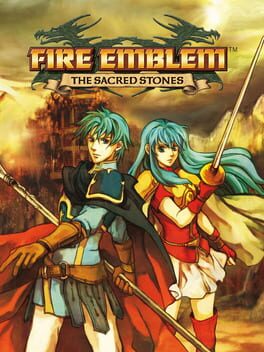
Lead young royals through tactical battles in a war-torn continent.
Alternatives to Summon Night: Swordcraft Story
View all →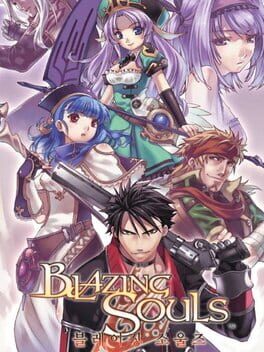
Strategic turn‑based RPG where a memory‑lost contractor battles with combo attacks.
The Verdict
AI-generated from listing dataFire Emblem: Shadow Dragon offers classic turn‑based tactical depth with a historic storyline, while Summon Night: Swordcraft Story focuses on real‑time combat and deep weapon crafting.
Key differences
- •Combat style: turn‑based tactical grid vs real‑time side‑scroll action.
- •Core loop: unit reclassing and permadeath vs weapon crafting and Guardian Beast partnership.
- •Replay value: single narrative path vs multiple story routes and crafting variations.
- •Release era: 2008 remake with newer graphics vs 2003 original with older visuals.
- •Difficulty focus: harsh permadeath penalties vs steep crafting learning curve.
Gameplay & fun factor
A provides deep tactical turn‑based battles; B offers engaging real‑time combat with crafting, appealing to different play preferences.
Platform availability
Both are single‑player with limited multiplayer; platform constraints not detailed for either.
Price & value
A costs $34.99; B's price is not specified, preventing a direct value comparison.
Multiplayer / co‑op
Both list multiplayer but note limited features; no clear advantage for either.
Content & replayability
B includes divergent dialogue, multiple story routes, and extensive crafting loops, increasing replay potential.
Difficulty & accessibility
A’s permadeath can be punishing; B’s crafting system is steep—both present significant learning curves.
Graphics & performance
A’s 2008 remake graphics are newer than B’s 2003 visuals, making A look fresher.
Choose Fire Emblem: Shadow Dragon if…
Players who prefer strategic, turn‑based tactics and classic fantasy narratives.
Choose Summon Night: Swordcraft Story if…
Players who enjoy real‑time action, deep crafting, and multiple story outcomes.
Common questions
Which game is cheaper?
A is priced at $34.99; B's price is not provided, so cost cannot be directly compared.
Is either game suitable for a newcomer to the genre?
A’s permadeath may be harsh for beginners, while B’s crafting system has a steep learning curve; both have a moderate entry barrier.
Do both games support multiplayer?
Yes, both list multiplayer, but each notes limited multiplayer features.