


Flatland: Fallen Angle vs Tri: Of Friendship and Madness
Side-by-side comparison of features, pricing, ratings, and alternatives.
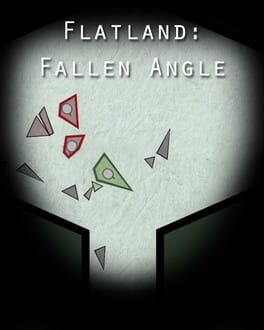
Inspired by a 19th‑century novella, Flatland: Fallen Angle puts you in the shoes of an isosceles triangle on the run, hungry for revenge. Over ten strikingly two‑dimensional levels you navigate the gritty neighbourhoods of Polygonometropolis, using your angles to slice, splinch and shatter obstacles and enemies. The gameplay feels like a twisted Pac‑Man chase, while the narrative tone echoes the storytelling style of Bastion, delivering a concise yet memorable short‑form experience for indie gamers.
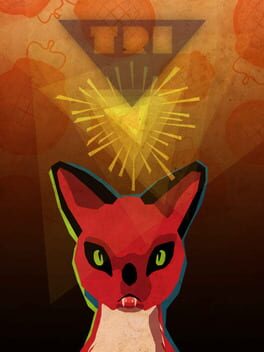
Tri: Of Friendship and Madness is a first‑person puzzle exploration adventure where you place corner points on walls to create walkable triangular platforms. Navigate towering dungeons, reflect light rays, and defy gravity as you piece together paths in a surreal fantasy realm. The game challenges you to think in geometry while maintaining your sanity, offering a unique blend of platforming, puzzle‑solving, and atmospheric storytelling for indie fans.
- Innovative angle‑based combat system
- Strong noir storytelling in a compact format
- Visually distinct 2D art style
- Easy to learn, hard to master gameplay
- Innovative triangular platform mechanic
- Rich atmospheric world design
- Cross‑platform support for Linux, PC, and Mac
- Challenging yet rewarding puzzles
- Limited length may leave some players wanting more content
- No multiplayer or co‑op options
- Occasional control precision issues on certain keyboards
- Steep learning curve for new players
- Occasional camera jitter during upside‑down sections
- Limited content length compared to larger titles
More alternatives & similar tools
Alternatives to Flatland: Fallen Angle
View all →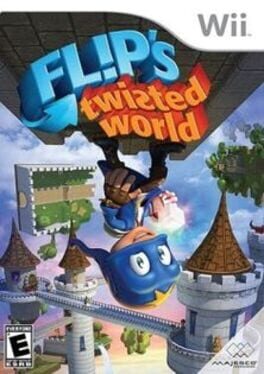
Build triangular platforms to solve mind‑bending puzzles in a mystical world.
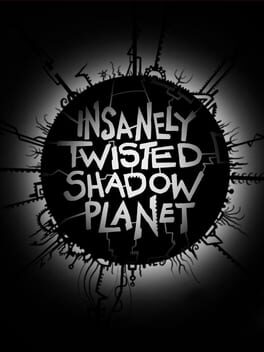
Explore a mysterious 2‑D world, battle bizarre creatures, and upgrade your ship to save your home.
Alternatives to Tri: Of Friendship and Madness
View all →
Explore an impossible mind-bending world of non-Euclidean puzzles and psychological exploration.
Guide Love and Hate through mind‑bending puzzles to reach the red button
A magical physics‑puzzle platformer where a marker reshapes reality
The Verdict
AI-generated from listing dataFlatland offers a short, story‑driven noir adventure with angle‑based combat, while Tri provides a deeper, cross‑platform triangular‑platform puzzle experience with a steeper learning curve.
Key differences
- •Flatland focuses on narrative and angle‑based combat; Tri centers on spatial puzzle platforming.
- •Tri runs on Linux, Windows, and macOS; Flatland’s platform support is not specified.
- •Flatland is praised for easy learning but limited length; Tri is praised for challenging puzzles but also limited content.
- •Flatland’s art is noir‑themed; Tri’s art is minimalist fantasy.
- •Flatland has no known critic score; Tri has a 60/100 critic score.
Gameplay & fun factor
Both games offer unique mechanics—angle combat vs triangular platform puzzles—making them equally innovative.
Platform availability
Tri explicitly supports Linux, Windows PC, and macOS; Flatland’s platform support is not specified.
Pricing & value
Both are paid one‑time purchases; no price differences are provided.
Multiplayer / co‑op
Both are single‑player only.
Content & replayability
Each game is described as limited in length, offering short, replayable sessions.
Difficulty & accessibility
Flatland is easy to learn, hard to master; Tri has a steep learning curve and camera jitter issues.
Graphics & performance
Both use minimalist 2D art styles (noir for Flatland, fantasy for Tri) with no performance claims.
Choose Flatland: Fallen Angle if…
Players who want a concise, story‑rich noir adventure with simple controls.
Choose Tri: Of Friendship and Madness if…
Players who crave deep, challenging puzzles and need Linux/macOS support.
Common questions
Which game runs on Linux?
Tri: Of Friendship and Madness runs on Linux; Flatland's Linux support is not specified.
Is there a significant difference in game length?
Both are described as short with limited content; neither offers substantially more length.
Do either games have multiplayer?
No. Both Flatland and Tri are single‑player only.