


Girl's Garden vs Viva Piñata
Side-by-side comparison of features, pricing, ratings, and alternatives.
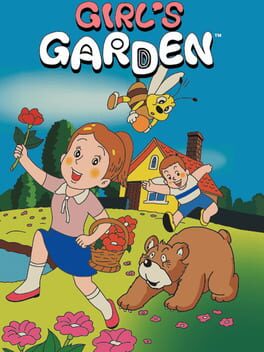
Papri races against time to gather ten different flowers in full bloom, avoiding wilted petals and mischievous bears. The game blends humor, action, and simulation as players balance timing, resource management, and quirky allies like helpful bees.
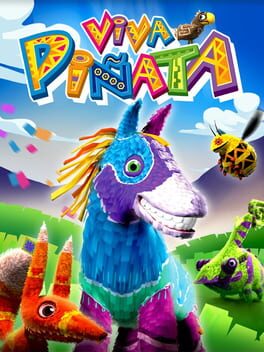
On Piñata Island, players inherit a neglected plot and must restore it by planting, watering, and decorating to attract wild Piñata creatures. Each Piñata has unique needs and personalities, and players can watch them settle, breed, and thrive in their garden. As the garden flourishes, caretakers protect it from mischievous Ruffians and sour Piñatas, while customizing everything from the grass texture to hats on their Piñata friends, creating a vibrant, sandbox playground for all ages.
- Simple yet engaging timing mechanics
- Charming retro pixel art and humor
- Strategic use of honey to manage bear threats
- Short playtime suitable for quick sessions
- Charming art style and vibrant colors
- Deep creature collection and breeding system
- Extensive customization options for garden and Piñatas
- Family‑friendly gameplay suitable for all ages
- Limited content beyond the core flower‑collecting loop
- Only single‑player mode restricts social play
- Very old graphics may not appeal to modern gamers
- Limited multiplayer options – single player only
- Occasional repetitive gardening tasks can feel grindy
- AI of some Piñatas can be unpredictable, leading to unexpected garden damage
More alternatives & similar tools
Alternatives to Girl's Garden
View all →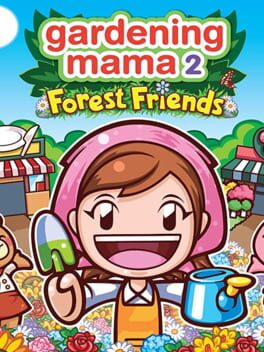
Plant, grow, and make forest friends happy with cute gardening fun.
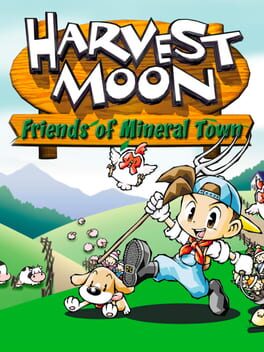
Turn a neglected field into a thriving farm in this classic RPG simulation.
Alternatives to Viva Piñata
View all →The Verdict
AI-generated from listing dataViva Piñata offers a richer, modern experience with extensive creature collection and customization at a higher price, while Girl's Garden is a cheap, retro‑style, timing‑based game with limited content.
Key differences
- •Viva Piñata (2006) features over 60 unique creatures, breeding, and seasonal events; Girl's Garden (1984) focuses on a single flower‑collecting loop.
- •Price: Viva Piñata costs $39.99 versus Girl's Garden at $19.99.
- •Graphics: Viva Piñata uses vibrant 3D art; Girl's Garden uses 1980s pixel art.
- •Content depth: Viva Piñata includes garden management, traps, and customization; Girl's Garden offers limited mechanics and short playtime.
- •Target audience: Viva Piñata is family‑friendly for all ages; Girl's Garden targets retro adventure fans.
Gameplay & fun factor
Viva Piñata provides creature collection, breeding, garden building and seasonal events, offering more varied activities than Girl's Garden's single timing loop.
Platform availability
Both are single‑player only; no multiplayer or cross‑platform info provided for either.
Price & value
Girl's Garden costs $19.99, half the price of Viva Piñata's $39.99, delivering a simpler experience for less money.
Multiplayer / co‑op
Both are single‑player only; no multiplayer options for either game.
Content & replayability
Viva Piñata includes seasonal events, breeding, customization, and over 60 creatures, giving higher replay value than Girl's Garden's limited loop.
Difficulty & accessibility
Girl's Garden's simple timing mechanics and low age rating (none specified) make it easier for casual play than Viva Piñata's management depth.
Graphics & performance
Viva Piñata boasts vibrant 3D art and colorful visuals; Girl's Garden uses dated 1980s pixel art.
Choose Girl's Garden if…
Retro‑game fans or budget‑conscious players wanting quick, simple sessions.
Choose Viva Piñata if…
Families or casual gamers seeking a deep, colorful sandbox with lots of content.
Common questions
Which game offers more variety and long‑term play?
Viva Piñata, with over 60 creatures, breeding, seasonal events, and extensive customization.
Is there a cheaper option?
Yes, Girl's Garden costs $19.99, half the price of Viva Piñata.
Do either of the games support multiplayer?
No, both are single‑player only.