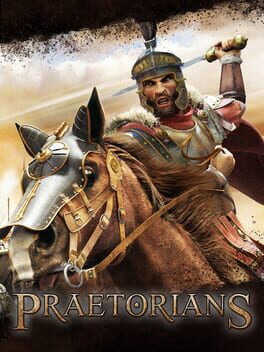
Glory of the Roman Empire vs Nemistry of the Roman Empire
Side-by-side comparison of features, pricing, ratings, and alternatives.
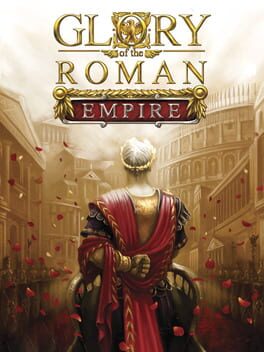

Glory of the Roman Empire lets players construct cities, manage resources, and lead armies across a historically inspired map of the ancient world. The game blends city‑building with tactical battles, offering a deep yet accessible experience for fans of classic RTS titles. Set in the height of Roman power, you must balance economic growth, military conquest, and diplomatic relations while facing AI opponents and challenging scenarios. Its historical setting provides a rich backdrop for strategic decision‑making.
Set during the Punic Wars, Nemesis of the Roman Empire lets you command one of four ancient nations—Romans, Carthaginians, Gauls, or Iberians—in real‑time strategic combat. The game blends role‑playing elements with classic RTS mechanics, offering both single‑player campaigns and multiplayer skirmishes.\nDeveloped by Haemimont Games and published by Enlight Software Limited, this 2003 title delivers historically inspired battles across the Mediterranean, complete with hero generals like Hannibal and authentic unit types. With an ESRB rating of E, it’s accessible for a wide audience while still providing deep tactical depth.
- Deep city‑building mechanics
- Strategic combat with diverse units
- Rich historical setting
- Robust scenario editor
- Deep nation-specific strategies
- Rich historical setting with authentic units
- Both single‑player and multiplayer modes
- Hero units add tactical variety
- Outdated graphics by modern standards
- Limited multiplayer options
- AI can be predictable
- Graphics are dated by modern standards
- Limited AI difficulty options
- Interface can feel clunky
More alternatives & similar tools
Alternatives to Glory of the Roman Empire
View all →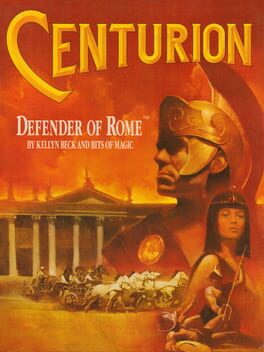
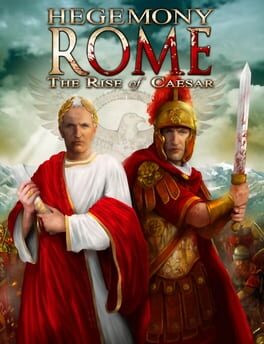
Lead Rome from a young officer to Caesar in a historic strategy adventure
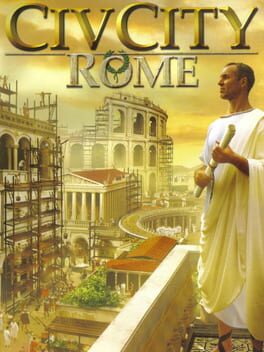
Conquer Gaul as Caesar in a deep real‑time strategy simulation.
Alternatives to Nemistry of the Roman Empire
View all →
Conquer Gaul as Caesar in a deep real‑time strategy simulation.