


Hyper Sports vs International Track & Field 2000
Side-by-side comparison of features, pricing, ratings, and alternatives.
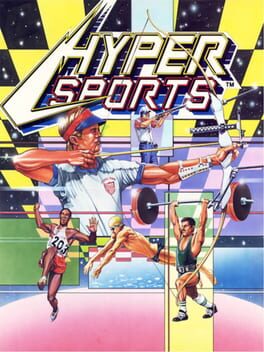

Hyper Sports delivers a rapid series of six athletic challenges, from swimming to weightlifting, each demanding precise timing and quick reflexes. Players must master each event in order to progress, making every session a test of skill and endurance. The game’s simple joystick‑and‑button controls capture the excitement of arcade sport competitions, offering both solo play and head‑to‑head multiplayer for endless replay value.
Experience the thrill of international competition with over a dozen events, from sprinting to weightlifting. Compete solo or with friends in split-screen multiplayer and chase gold in every discipline.
- Varied event lineup keeps gameplay fresh.
- Simple controls are easy to learn but hard to master.
- Both solo and multiplayer modes available.
- Retro aesthetic appeals to classic arcade fans.
- Four-player split-screen fun
- Wide variety of events
- Simple, responsive controls
- High replay value
- Limited depth beyond high‑score chasing.
- Graphics are dated by modern standards.
- No online multiplayer or leaderboards.
- Limited to Nintendo 64 hardware
- Button-mashing can be tiring
- No online multiplayer
More alternatives & similar tools
Alternatives to Hyper Sports
View all →
Compete in eight classic summer sports with retro polygon graphics and multiplayer tournaments.

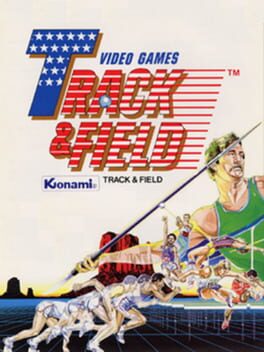
Lightning-fast Olympic action for up to four players on Nintendo 64
Alternatives to International Track & Field 2000
View all →
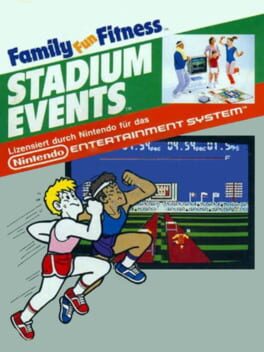
Compete in thrilling athletic events using the Family Fun Fitness Control Mat.
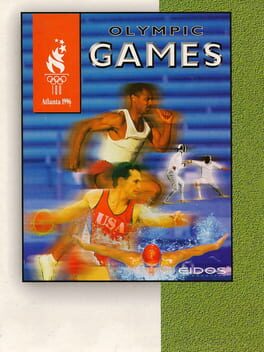
Compete in the official events of the 1996 Atlanta Summer Olympics.
The Verdict
AI-generated from listing dataHyper Sports offers a classic two‑player arcade experience with six events, while International Track & Field 2000 provides a newer, four‑player N64 party game with many more events and brighter graphics.
Key differences
- •Platform: Hyper Sports is an arcade‑style title; Track & Field 2000 runs on Nintendo 64 only.
- •Player count: Hyper Sports supports up to 2 players; Track & Field 2000 supports up to 4 split‑screen players.
- •Event variety: Hyper Sports has 6 distinct events; Track & Field 2000 includes more than a dozen.
- •Graphics: Hyper Sports uses dated 1984 visuals; Track & Field 2000 delivers vibrant, colorful N64 graphics.
- •Release era: Hyper Sports (1984) is a retro classic; Track & Field 2000 (1999) is a later generation offering.
Gameplay & fun factor
Track & Field 2000 adds many more events and four‑player split‑screen, increasing party fun.
Platform availability
Track & Field 2000 runs on a widely owned console (N64); Hyper Sports requires arcade hardware.
Pricing & value
Track & Field 2000 MSRP is $29.99; Hyper Sports price not specified, so value cannot be compared.
Multiplayer / co‑op
Track & Field 2000 supports up to four players simultaneously; Hyper Sports only two‑player head‑to‑head.
Content & replayability
More than a dozen events and medal tracking in Track & Field 2000 give higher replay value than Hyper Sports' six events.
Difficulty & accessibility
Hyper Sports' simple joystick and button combos are easier for casual players; Track & Field 2000’s button‑mashing can be tiring.
Graphics & performance
Track & Field 2000 features vibrant, colorful N64 graphics; Hyper Sports’ visuals are dated by modern standards.
Choose Hyper Sports if…
Buy Hyper Sports if you want a retro arcade feel, two‑player head‑to‑head, and simple controls.
Choose International Track & Field 2000 if…
Buy Track & Field 2000 if you have an N64, want up to four players, more events, and modern graphics.
Common questions
What is the price of Hyper Sports?
The price is not specified in the provided information.
Can I play either game online?
Both titles lack online multiplayer; Hyper Sports has no online features, and Track & Field 2000 is limited to local split‑screen.
Which game offers more variety of sports events?
Track & Field 2000 offers more than a dozen events, whereas Hyper Sports includes six distinct events.