


Intel Core i9 processor 14900K vs Intel Core Ultra 7 Processor 356H
Side-by-side comparison of features, pricing, ratings, and alternatives.


The Intel Core i9 processor 14900K is a high-performance CPU designed for enthusiasts and content creators. With its 24 cores and 32 threads, it delivers exceptional processing power and efficiency.
The Intel Core Ultra 7 Processor 356H is a high-performance processor with 16 cores, 18M cache, and up to 4.70 GHz frequency.
[]
Contact for Pricing
- Exceptional processing power and efficiency
- High-performance gaming and content creation capabilities
- AI-optimized architecture for enhanced AI workloads
- Extreme overclocking capabilities for enthusiasts.
- High-performance processing
- High cache memory
- High frequency
- Supports multiple threads
- High power consumption and heat generation
- Expensive compared to other CPU options
- Requires a high-end motherboard and cooling system.
- High power consumption
- Requires advanced cooling systems
- May require additional hardware support
More alternatives & similar tools
Alternatives to Intel Core i9 processor 14900K
View all →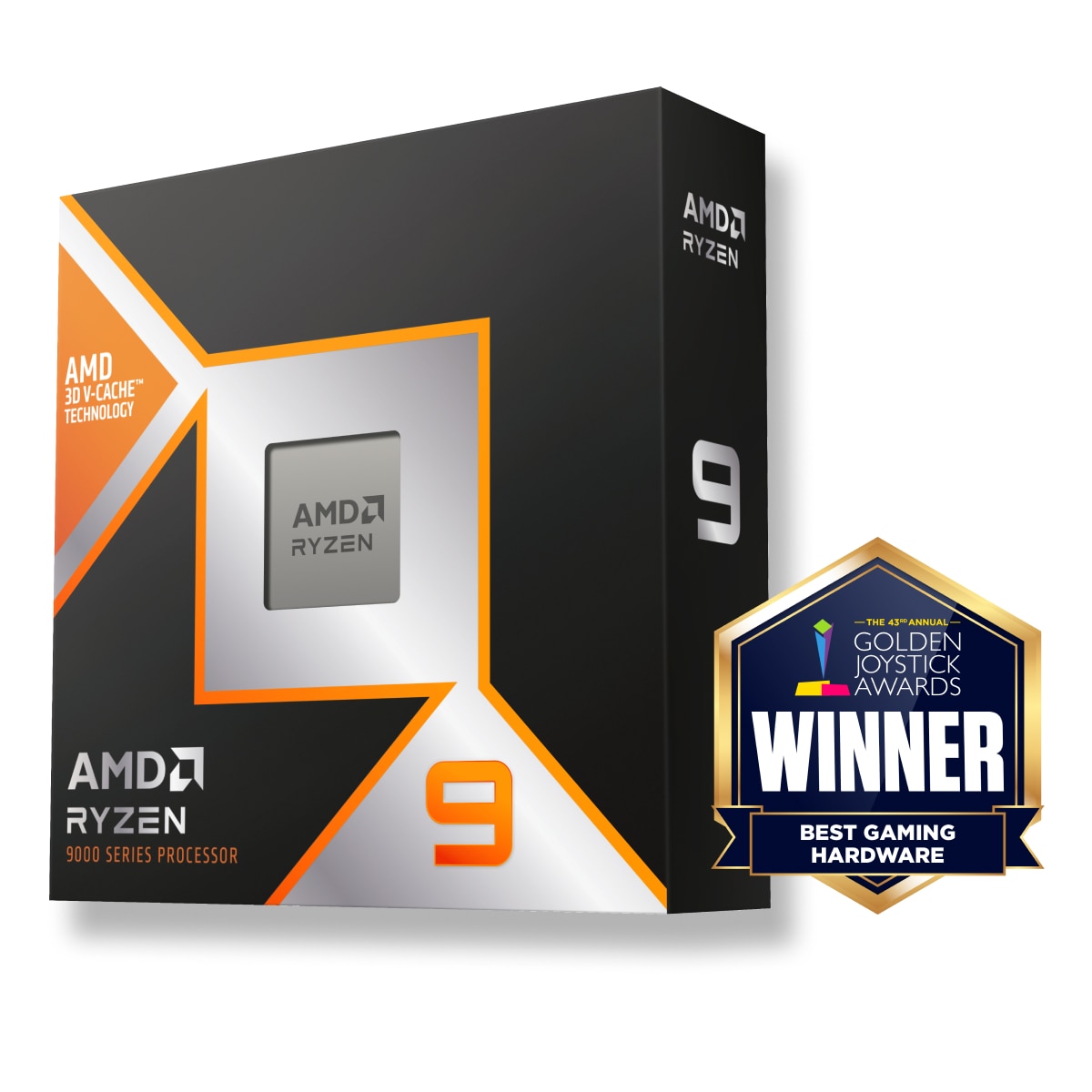
A high-performance mobile processor designed for gamers and demanding creators.
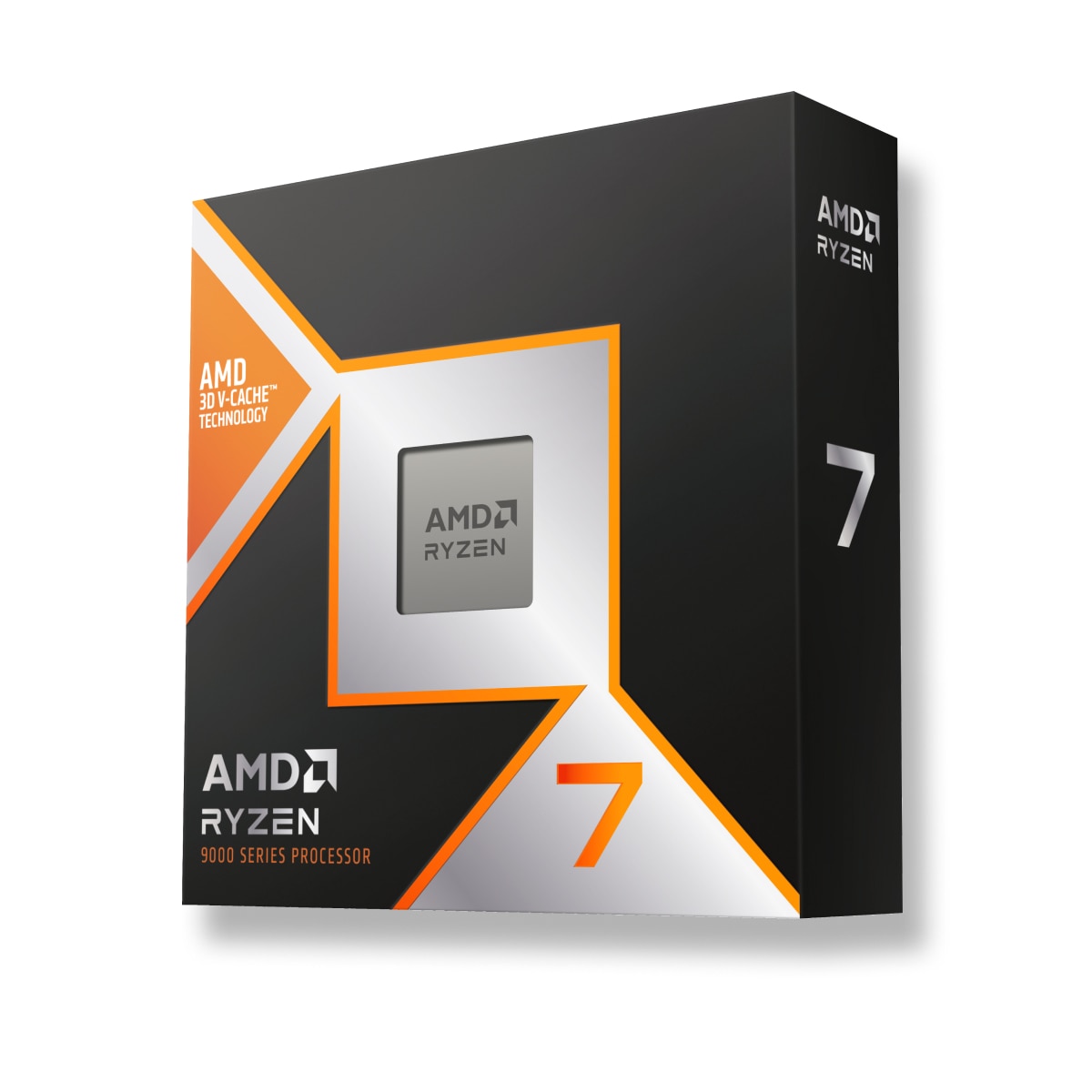
Alternatives to Intel Core Ultra 7 Processor 356H
View all →A high-performance mobile processor designed for gamers and demanding creators.
The Verdict
AI-generated from listing dataProduct B offers far higher raw performance but at much higher power draw and cost; Product A is a lower‑power, newer‑node option with modest performance.
Key differences
- •Core/Thread count: B has 24 cores/32 threads vs A's 16 cores/16 threads.
- •Boost clock: B reaches 6.0 GHz (Turbo) while A tops 4.7 GHz.
- •Power envelope: B consumes up to 253 W turbo vs A's 80 W turbo.
- •Cache size: B provides 36 MB vs A's 18 MB Smart Cache.
- •Release & process: A uses Intel 18A node (2026) whereas B is Intel 7 node (2023).
Performance
B's 24 cores, 6 GHz boost, and 36 MB cache yield Cinebench R23 Multi 35,917, far exceeding A's specs.
Power & efficiency
A's max turbo 80 W vs B's 253 W; lower TDP reduces electricity and cooling needs.
Compatibility
B uses mainstream LGA1700 socket and DDR5 support; A requires newer FCBGA2540 socket, limiting motherboard options.
Pricing & value
A has no listed MSRP, but B is $699; without price A is likely lower‑cost or comparable.
Build quality
Both are Intel silicon; no differing build quality information provided.
Connectivity
B explicitly supports PCIe 5.0 and DDR5‑5600; A's connectivity details not specified.
Warranty & support
No warranty or support details given for either product.
Choose Intel Core i9 processor 14900K if…
Best for enthusiasts, gamers, and creators demanding top‑tier speed and willing to invest in cooling and power.
Choose Intel Core Ultra 7 Processor 356H if…
Ideal for energy‑conscious builds, compact desktops, or users needing moderate performance with less heat.
Common questions
Which CPU consumes less power?
Product A peaks at 80 W turbo, while Product B can draw up to 253 W turbo.
What is the performance advantage of B?
B’s 24 cores/32 threads and 6 GHz boost deliver a Cinebench R23 Multi score of 35,917, far higher than A’s unspecified but lower spec.
Will I need a new motherboard for each?
Yes. A uses the FCBGA2540 socket; B uses the LGA1700 socket, requiring different motherboards.