


LibreOffice vs Microsoft Office
Side-by-side comparison of features, pricing, ratings, and alternatives.
LibreOffice is a fully-featured office suite that includes a word processor, spreadsheet, presentation, drawing, and database tools. It supports a wide range of file formats, including Microsoft Office formats, making it easy to collaborate across platforms. The suite is community-driven, regularly updated, and available on all major desktop operating systems. Its open-source nature ensures transparency, security, and the ability to customize or extend functionality through extensions.
Microsoft Office is the suite of productivity apps that includes Word, Excel, PowerPoint and Outlook. It is sold as a Microsoft 365 subscription or as a one-time Office purchase, and limited free versions of the main apps run in the browser with a Microsoft account.
- Completely free with no hidden costs
- Runs on Windows, macOS, and Linux
- High compatibility with Microsoft Office files
- Extensible via a robust extensions ecosystem
- Industry-standard file formats
- Mature, feature-rich desktop apps
- Tight integration between apps and OneDrive
- Widely supported by schools and employers
- User interface feels dated compared to some commercial suites
- Limited native cloud collaboration features
- Performance can be slower with very large documents
- Subscription pricing adds up over time
- Free web versions are limited
- No native Linux version
More alternatives & similar tools
Alternatives to LibreOffice
View all →

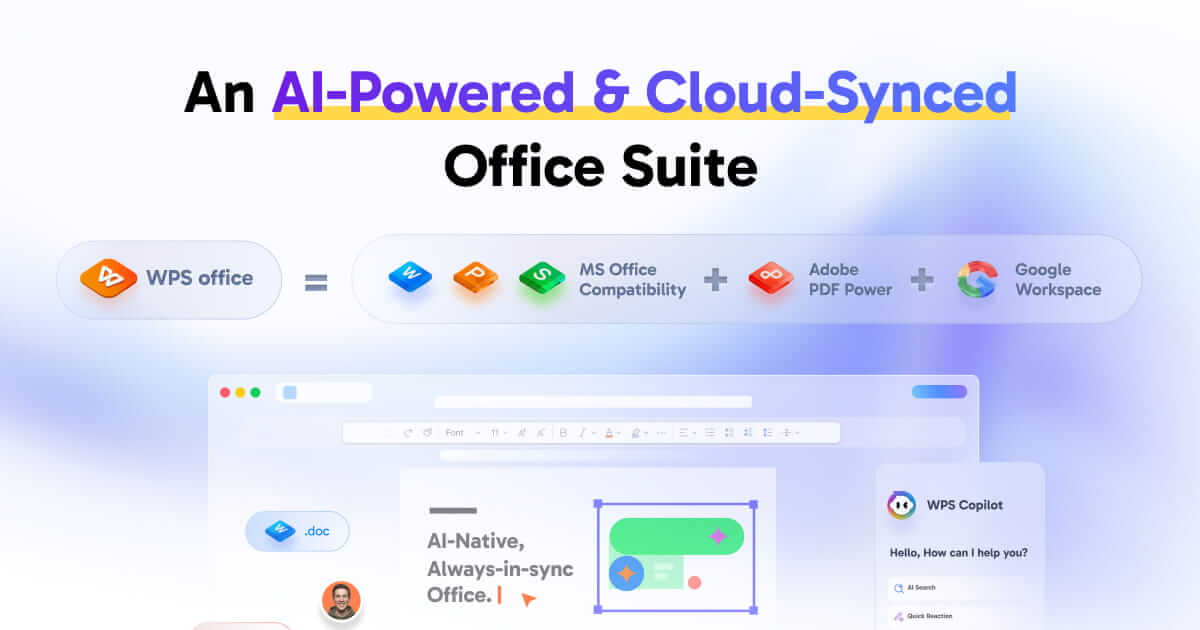

Alternatives to Microsoft Office
View all →
The Verdict
AI-generated from listing dataLibreOffice is free and cross‑platform but has a dated UI and limited cloud collaboration, while Microsoft Office offers a polished, subscription‑based suite with strong integration and collaboration features.
Key differences
- •Cost: Office requires a paid subscription; LibreOffice is free.
- •Platform support: LibreOffice runs on Linux, macOS, Windows; Office lacks a native Linux version.
- •Cloud collaboration: Office includes built‑in OneDrive integration; LibreOffice has limited native cloud features.
- •User interface: Office provides a modern UI; LibreOffice’s UI feels dated.
- •Extensibility: LibreOffice offers a large extensions ecosystem and an API; Office relies on Microsoft’s ecosystem.
Pricing & value
LibreOffice is free with no hidden costs, whereas Microsoft Office requires a subscription.
Ease of use / learning curve
Office’s modern UI is generally considered more intuitive than LibreOffice’s dated interface.
Features & depth
Office offers mature, feature‑rich desktop apps with extensive capabilities across its suite.
Integrations & ecosystem
Office tightly integrates with OneDrive and the broader Microsoft 365 ecosystem; LibreOffice lacks comparable native integrations.
Collaboration
Office provides built‑in cloud collaboration via OneDrive; LibreOffice has limited native cloud collaboration features.
Support
Office offers paid professional support; LibreOffice relies on community forums and documentation.
Migration / lock‑in
LibreOffice’s open‑source nature avoids vendor lock‑in, while Office can create dependence on Microsoft formats and services.
Choose LibreOffice if…
Cost‑sensitive users or organizations requiring Linux support and open‑source flexibility.
Choose Microsoft Office if…
Businesses or schools needing strong cloud collaboration, Microsoft ecosystem integration, and willing to pay subscription.
Common questions
Is there any cost to use LibreOffice?
No, LibreOffice is free with no hidden fees.
Can I edit and save Microsoft Office files in LibreOffice?
Yes, LibreOffice supports opening and saving DOCX, XLSX, and PPTX formats.
Which suite offers better real‑time cloud collaboration?
Microsoft Office provides built‑in OneDrive collaboration; LibreOffice has limited native cloud collaboration features.