


Line Rider 2: Unbound vs Loco-Motion
Side-by-side comparison of features, pricing, ratings, and alternatives.
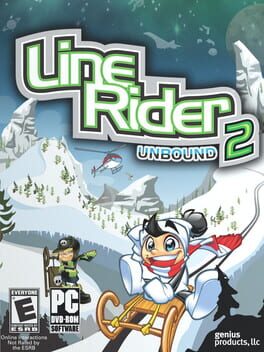
Line Rider 2: Unbound lets players draw ramps, loops, hills, and checkpoints with a simple pencil tool, then send a sledder racing down the custom track. The game blends puzzle solving with strategic track design for endless creative fun. Play solo or share the experience in split‑screen mode, experimenting with physics‑based tricks and challenging yourself to build the most spectacular rides.
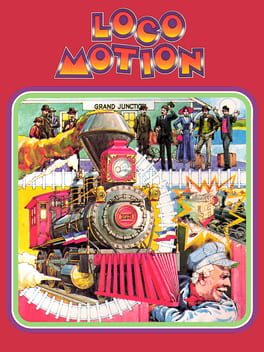
Loco-Motion challenges players to slide track pieces horizontally or vertically, shaping a path for a constantly moving locomotive. The goal is to collect passengers at edge stations while avoiding dead‑ends and gaps that end the game. Using a joystick and a speed button, you control the playfield, directing the train around obstacles and racing against time. The blend of sliding‑block mechanics with real‑time train navigation creates a unique puzzle‑strategy experience.
- Intuitive drawing controls make track creation easy.
- Physics engine provides satisfying sledder behavior.
- Split‑screen mode adds a social element.
- Low system requirements run on most PCs.
- Unique blend of sliding puzzles and real‑time train control
- Simple joystick interface makes it easy to pick up
- Multiplayer split‑screen adds competitive replay value
- Clear objectives with passenger collection
- Limited visual polish compared to modern titles.
- No online multiplayer or leaderboards.
- Puzzle and strategy focus may not appeal to action gamers.
- Limited visual variety due to retro design
- Only one control scheme may feel restrictive
- Difficulty spikes can be unforgiving for newcomers
More alternatives & similar tools
Alternatives to Line Rider 2: Unbound
View all →
Wacky physics puzzles that let you crank, gear, and catapult your way to creative solutions.

Run, jump, slide and groove through rhythmic worlds in a vibrant platform adventure.
Alternatives to Loco-Motion
View all →
Embark on a railway adventure across a magical world of puzzles and action

The Verdict
AI-generated from listing dataLine Rider 2 offers modern physics sandbox creativity with split‑screen play, while Loco‑Motion delivers retro sliding‑puzzle train action with similar multiplayer but dated graphics.
Key differences
- •Line Rider uses a drawing‑based track editor; Loco‑Motion uses sliding tile placement.
- •Line Rider’s physics engine creates realistic sled behavior; Loco‑Motion relies on simple real‑time train movement.
- •Line Rider was released in 2008 with low system requirements; Loco‑Motion dates back to 1982 and has retro visual limits.
- •Both support split‑screen, but Line Rider adds checkpoint control for speed management.
- •Line Rider targets puzzle‑strategy fans; Loco‑Motion leans toward retro‑gaming enthusiasts.
Gameplay & fun factor
Line Rider’s physics sandbox lets players design and test tracks, offering broader creative play than Loco‑Motion’s fixed sliding puzzles.
Platform availability
Both are listed as PC‑compatible only; specific platform details beyond that are not specified.
Price & value
Both are one‑time paid titles; no price amounts are provided to differentiate value.
Multiplayer / co‑op
Each supports split‑screen multiplayer on the same device, giving equal local co‑op capability.
Content & replayability
Line Rider includes track saving, replay sharing, and checkpoint creation, extending replay value beyond Loco‑Motion’s passenger‑rescue scores.
Difficulty & accessibility
Loco‑Motion’s simple joystick control is easier for newcomers, whereas Line Rider’s drawing tools may have a steeper learning curve.
Graphics & performance
Line Rider runs on low‑end PCs with modest graphics; Loco‑Motion’s retro design offers limited visual variety.
Choose Line Rider 2: Unbound if…
Players who want creative sandbox physics and low‑spec PC compatibility.
Choose Loco-Motion if…
Fans of classic retro puzzles who prefer simple controls and nostalgic aesthetics.
Common questions
Do either games require an internet connection for multiplayer?
No; both offer local split‑screen multiplayer only.
Which game has a higher critic rating?
Line Rider 2 has a critic score of 55/100; Loco‑Motion’s score is not specified.
Can I save and share my creations?
Only Line Rider 2 provides track saving and community sharing; Loco‑Motion does not.