




Loom invites players into a richly illustrated fantasy world where the young apprentice Bobbin weaves reality with the power of his magical shuttle. Through point‑and‑click exploration and musical puzzles, the game tells a timeless story of curiosity, responsibility, and the consequences of altering time. Originally released in 1990 by Lucasfilm Games, Loom remains a beloved classic, praised for its atmospheric storytelling, unique soundtrack mechanic, and elegant puzzle design. It runs on modern Linux, PC, and Mac systems, preserving the original experience for new and nostalgic players alike.
The Dig drops you onto an alien world after a NASA mission goes awry, forcing you to explore mysterious ruins and solve intricate puzzles to uncover the planet’s secrets. With a richly atmospheric story and classic LucasArts humor, the game blends science‑fiction narrative with brain‑teasing challenges. Despite its age, the game remains a compelling single‑player experience for fans of narrative-driven adventure games, offering a nostalgic look at 90s point‑and‑click design while delivering timeless puzzle mechanics.
- Innovative music‑based puzzle system
- Atmospheric hand‑drawn visuals
- Engaging, character‑driven story
- Runs natively on modern OSes
- Engaging sci‑fi storyline
- Challenging and varied puzzles
- Atmospheric sound design
- Classic LucasArts humor
- Limited replayability after story completion
- No multiplayer or co‑op options
- Pacing can feel slow for action‑oriented players
- Outdated graphics by modern standards
- Occasional obscure puzzle solutions
- Limited replayability after completion
More alternatives & similar tools
Alternatives to Loom
View all →
Alternatives to The Dig
View all →
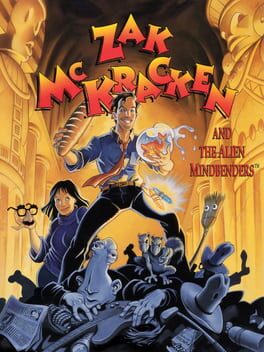
Assemble a team of three unlikely adventurers and descend into a mysterious sentient cave.
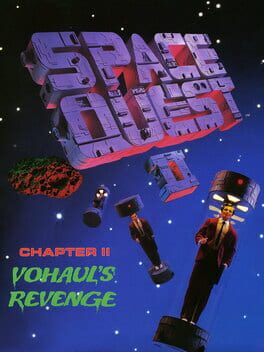
A hilarious sci‑fi adventure where Roger Wilco must outwit the evil Vohaul again
The Verdict
AI-generated from listing dataLoom offers a higher‑rated, modern‑compatible adventure with innovative music puzzles, while The Dig provides a sci‑fi story but with dated graphics and lower critical reception.
Key differences
- •Loom runs natively on modern OSes (Linux, PC, Mac); The Dig is a 1995 title with no stated modern support.
- •Critic scores differ sharply: Loom 85/100 vs. The Dig 45/100.
- •Puzzle mechanics: Loom uses music‑based puzzles; The Dig relies on traditional inventory combos.
- •Graphics era: Loom preserves 1990 hand‑drawn style but updated engine; The Dig’s graphics are considered outdated by today’s standards.
- •Narrative tone: The Dig features sci‑fi with LucasArts humor; Loom presents a fantasy story with dynamic soundtrack.
Gameplay & fun factor
Loom’s innovative music‑based puzzles and higher critic score suggest a more engaging experience.
Platform availability
Loom explicitly supports Linux, PC, and Mac with a single installer; The Dig’s platform support is not specified.
Price & value
Both games cost $19.99, offering equal monetary cost.
Multiplayer / co‑op
Both are single‑player only.
Content & replayability
The Dig’s branching dialogue affecting story outcomes may give slightly more replay variation than Loom’s linear story.
Difficulty & accessibility
The Dig’s puzzles are inventory‑based and may be more familiar to classic adventure fans; Loom’s music system could be less intuitive for some.
Graphics & performance
Loom’s engine is updated for modern hardware, whereas The Dig’s graphics are described as outdated.
Choose Loom if…
Players seeking a polished, modern‑compatible adventure with unique music puzzles and higher critical acclaim.
Choose The Dig if…
Fans of classic sci‑fi point‑and‑click adventures who value branching dialogue and don’t need modern OS support.
Common questions
Do either of these games run on current Windows or macOS systems?
Loom’s engine has been updated for modern hardware; The Dig’s compatibility with current OSes is not specified.
Which game received better reviews?
Loom has a critic score of 85/100, while The Dig scored 45/100.
Are there any multiplayer or co‑op features?
Both titles are single‑player only.