LSD: Dream Emulator vs Proteus
Side-by-side comparison of features, pricing, ratings, and alternatives.
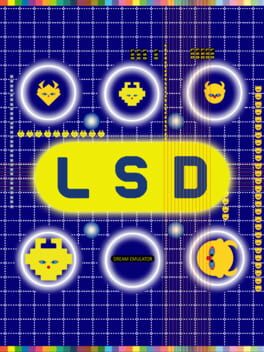

LSD: Dream Emulator puts you in a psychedelic dreamscape where the only objective is to wander and discover bizarre environments. Each dream lasts up to ten minutes, ending with a mood graph that reflects your mental state before you wake up. The game uses a unique "linking" system: colliding with walls, objects, or characters instantly transports you to a new, often stranger, dream. Falling off a cliff or into a hole ends the session immediately, sending you back to the main menu.
Proteus is a first-person exploration game focused on immersion and atmosphere within a procedurally generated island world. Interaction is defined simply by your presence and observation as you discover tranquil valleys, magical ruins, and a variety of natural and imagined creatures. The experience is characterized by its dynamic audio-visual design, where the ambient soundscape and music evolve in response to your movement and interactions with the environment. With no traditional objectives or puzzles, the game offers a meditative journey through a vibrant, dream-like wilderness.
- Highly original dream‑walking experience
- Endless variety through procedural generation
- Atmospheric sound design enhances immersion
- No objectives allow pure exploration
- Unique audio-visual integration
- Relaxing and meditative atmosphere
- Procedurally generated islands offer replayability
- Charming minimalist art style
- Very niche appeal may deter mainstream gamers
- Lack of guidance can feel aimless
- Graphics are dated by modern standards
- Lacks traditional gameplay objectives or challenges
- Short overall runtime
- Very passive interaction model
More alternatives & similar tools
Alternatives to LSD: Dream Emulator
View all →Alternatives to Proteus
View all →

Explore a mysterious, magic‑filled world where nothing is as it seems