


Lucius vs Murdered: Soul Suspect
Side-by-side comparison of features, pricing, ratings, and alternatives.

Born on the devilishly significant date of June 6th, 1966, Lucius discovers his true heritage as the son of the Devil and must bring Hell to Earth. Using telekinesis, mind control, and a variety of deadly tools, you orchestrate murders while keeping your sinister mission hidden. The game blends classic adventure puzzles with open‑world freedom, demanding cleverness and stealth as you eliminate victims and avoid suspicion. Every choice pushes the story toward a darker ending.
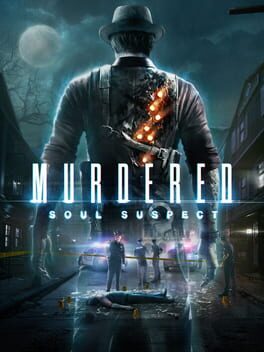
After a violent burglary ends his life, detective Ronan O’Connor awakens in the afterlife of Dusk, a liminal world between the living and the dead. Determined to uncover his killer, he must use his new supernatural abilities to investigate the streets and historic landmarks of Salem, Massachusetts.\nPlayers explore gothic churches, narrow colonial streets, and wooden houses, battling demonic spirits while piecing together clues to solve the ultimate mystery: who murdered them?
- Deeply atmospheric horror setting
- Varied supernatural abilities
- Open‑world freedom for creative kills
- Engaging puzzle integration
- Engaging supernatural detective story
- Richly detailed Salem setting
- Varied gameplay mixing puzzle, stealth and combat
- Strong atmospheric horror elements
- Repetitive mission structure after early stages
- Clunky controls during telekinesis
- Limited enemy AI variety
- Linear progression can feel restrictive
- Combat mechanics are occasionally clunky
- Limited replay value after story completion
More alternatives & similar tools
Alternatives to Lucius
View all →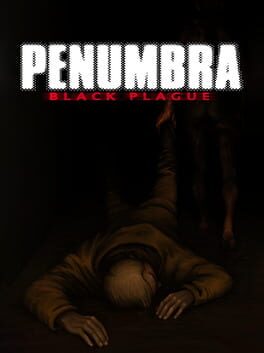
Venture into a shadowy underground complex to uncover the truth in this psychological horror adventure.

Alternatives to Murdered: Soul Suspect
View all →
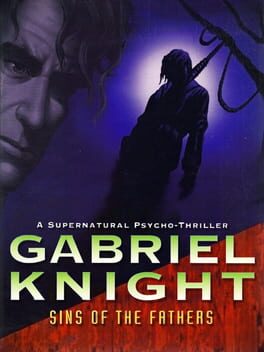
A dark, cinematic point‑and‑click mystery set in New Orleans
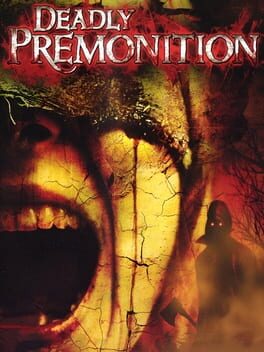
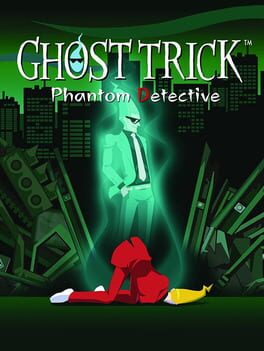
A quirky murder‑mystery adventure that blends horror, humor, and open‑world exploration.
The Verdict
AI-generated from listing dataMurdered: Soul Suspect offers a higher‑rated, more polished supernatural detective experience, while Lucius gives more open‑ended, telekinetic murder sandbox but with lower reviews.
Key differences
- •Narrative focus: Murdered centers on solving your own murder with branching dialogue; Lucius emphasizes creative kills using powers.
- •Gameplay variety: Murdered mixes puzzle, stealth, and combat; Lucius relies mainly on telekinesis and environmental puzzles.
- •Critical reception: Murdered scored 61/100 versus Lucius 45/100, indicating generally better reviews.
- •Setting freedom: Lucius provides an open‑world manor for creative murder setups; Murdered follows a linear story path.
- •Age rating: Murdered is PEGI 16 (M), Lucius is PEGI 18, reflecting stricter content in Lucius.
Gameplay & fun factor
Murdered blends puzzle, stealth, combat and detective logic, offering broader mechanics than Lucius' mainly telekinetic puzzles.
Platform availability
Both are single‑player paid titles; no platform specifics provided for either.
Price & value
Only Murdered lists MSRP $59.99; Lucius lacks a price, suggesting potentially lower cost or unknown value.
Multiplayer / co‑op
Both are single‑player only.
Content & replayability
Murdered notes limited replay value but still offers branching dialogue; Lucius repeats missions after early stages.
Difficulty & accessibility
No specific difficulty or accessibility data provided for either game.
Graphics & performance
No graphics or performance metrics are given for either title.
Choose Lucius if…
Players who prefer open‑ended, supernatural murder sandbox despite lower critical scores.
Choose Murdered: Soul Suspect if…
Players who want a story‑driven detective horror with varied mechanics and better reviews.
Common questions
Which game has better critical reception?
Murdered: Soul Suspect scored 61/100, while Lucius scored 45/100.
Do either games support multiplayer?
Both are single‑player only.
Is there a price advantage for Lucius?
Murdered lists an MSRP of $59.99; Lucius does not list a price, so cost cannot be directly compared.