


Medieval II: Total War vs Napoleon: Total War
Side-by-side comparison of features, pricing, ratings, and alternatives.
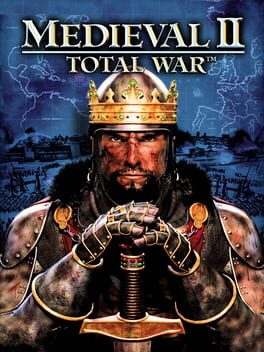
Medieval II: Total War blends turn‑based empire management with real‑time tactical battles set in the medieval era. Lead your nation from the map to the battlefield, forging alliances, managing economies, and commanding massive armies. The game offers a richly detailed historical world, extensive mod support, and both single‑player campaigns and multiplayer skirmishes, delivering endless replayability for strategy fans.
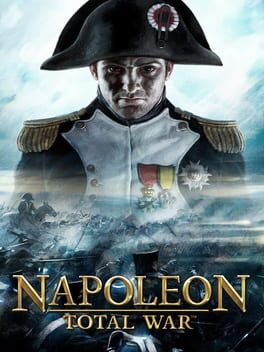
Napoleon: Total War blends turn‑based strategic empire management with real‑time tactical battles, letting players guide the French Empire from the battlefield to the political arena. Set in the early 19th century, the game offers historically accurate units, maps, and campaigns that let you experience the rise and fall of Napoleon Bonaparte. The title features a deep campaign mode, extensive multiplayer options, and robust mod support, delivering both a grand strategic experience and intense, large‑scale battles for history buffs and strategy gamers alike.
- Deep strategic depth across both campaign and battles
- Large, detailed armies create epic scale
- Robust modding community adds longevity
- Historical authenticity enhances immersion
- Deep strategic depth combining turn‑based and real‑time gameplay
- Highly detailed historical units and maps
- Robust multiplayer with various battle sizes
- Extensive modding community and tools
- Steep learning curve for new players
- Long campaign sessions can be time‑intensive
- Graphics are dated compared to modern titles
- Steep learning curve for newcomers
- Occasional AI pathfinding glitches in large battles
- Limited naval warfare compared to other Total War titles
More alternatives & similar tools
Alternatives to Medieval II: Total War
View all →
Lead Alexander's conquests in a deep turn‑based strategy experience.
Conquer Europe as a fierce Viking warlord in epic medieval strategy
Alternatives to Napoleon: Total War
View all →
Conquer the world in a seamless blend of turn-based empire building and real-time battles
The Verdict
AI-generated from listing dataMedieval II offers larger battles and a richer mod community at a lower price, while Napoleon provides newer graphics and a later historical setting at a higher cost.
Key differences
- •Battle scale: Medieval II supports thousands of units; Napoleon caps at 1,000.
- •Release era and graphics: Medieval II (2006) has dated graphics; Napoleon (2010) is newer.
- •Price: Medieval II costs $39.99; Napoleon costs $59.99.
- •Naval warfare: Medieval II includes naval battles; Napoleon has limited naval options.
- •Platform reach: Napoleon explicitly mentions cross‑platform PC/Mac support; Medieval II does not.
Gameplay & fun factor
Medieval II’s larger armies and dynamic weather create more epic, varied battles.
Platform availability
Napoleon lists cross‑platform PC and Mac compatibility; Medieval II lacks that detail.
Price & value
Medieval II is $20 cheaper while offering comparable depth and a larger mod community.
Multiplayer / co‑op
Both support single‑player and multiplayer modes for up to 8 players.
Content & replayability
Medieval II’s extensive mod tools and larger unit count give higher replay potential.
Difficulty & accessibility
Both note a steep learning curve for newcomers.
Graphics & performance
Napoleon, released later (2010), has newer graphics than Medieval II’s dated visuals.
Choose Medieval II: Total War if…
Players who want massive battles, deep modding and lower cost.
Choose Napoleon: Total War if…
Players who prefer newer graphics, Mac support, and a Napoleonic setting.
Common questions
Which game is cheaper?
Medieval II costs $39.99, while Napoleon costs $59.99.
Do both games support multiplayer?
Yes, each offers single‑player and multiplayer modes for up to 8 players.
Is naval combat available in both titles?
Naval warfare is included in Medieval II; Napoleon has limited naval options.