


Metro 2033 vs Metro: Last Light
Side-by-side comparison of features, pricing, ratings, and alternatives.
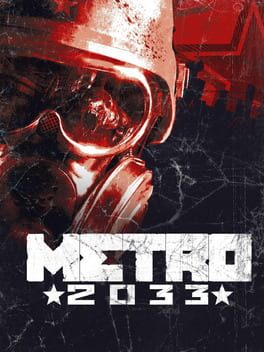
Set in the ruins of a nuclear‑warred Moscow, Metro 2033 puts you in the shoes of Artyom as he navigates claustrophobic tunnels and irradiated surface zones. The game blends tight first‑person combat with deep RPG elements, forcing you to manage resources, choose dialogue paths, and confront terrifying mutants. Its atmospheric world is built on realistic lighting and sound design, creating a constant sense of dread while rewarding careful exploration and stealth.
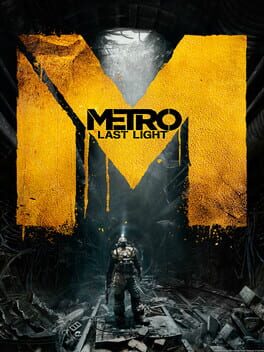
Set in the tunnels of the Moscow Metro after nuclear war, Metro: Last Light thrusts players into a dark, atmospheric world where every decision matters. As Artyom, you navigate hostile mutants, rival factions, and scarce resources while uncovering a deep narrative about humanity’s future. The game combines tense first‑person combat with stealth, resource management, and a richly detailed environment that reacts to light and sound, delivering a haunting experience that rewards careful planning and quick reflexes.
- Deep atmospheric world building
- Engaging RPG progression and choices
- Tight, tactical combat mechanics
- High production values and sound design
- Atmospheric world building
- Engaging narrative with meaningful choices
- Tight gunplay and stealth options
- High production values and sound design
- Occasional performance issues on older PCs
- Limited enemy AI variety
- Linear level design in some sections
- Occasional performance issues on older PCs
- Linear level design can feel restrictive
- Limited replayability after story completion
More alternatives & similar tools
Alternatives to Metro 2033
View all →
Tactical squad combat in the grim darkness of the far future.
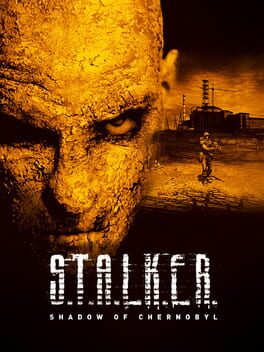
Explore a haunting, open‑world Chernobyl zone filled with danger and mystery.
Alternatives to Metro: Last Light
View all →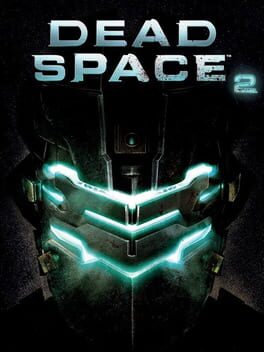
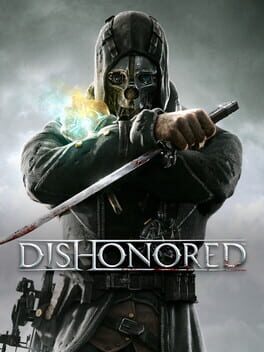

Explore a haunting, open‑world Chernobyl zone filled with danger and mystery.
The Verdict
AI-generated from listing dataMetro 2033 offers higher critical acclaim and deeper RPG progression, while Metro: Last Light adds dynamic lighting and richer AI at the cost of slightly less replay value.
Key differences
- •Critic score: 2033 (87) vs Last Light (80).
- •Dynamic lighting system in Last Light versus day‑night cycles in 2033.
- •AI complexity: Last Light’s robust AI creates unpredictable tactics; 2033’s AI is noted as limited.
- •Narrative impact: Last Light’s choices affect story outcome and faction ties; 2033’s branching dialogue influences endings but less emphasis on faction relationships.
Gameplay & fun factor
2033’s RPG progression, realistic bullet physics, and branching dialogue give deeper tactical and role‑playing depth.
Platform availability
Not specified for either title; both are single‑player PC releases.
Pricing & value
Both priced at $59.99 one‑time purchase.
Multiplayer / co‑op
Both are single‑player only.
Content & replayability
2033’s multiple endings and RPG choices offer more post‑story replay potential; Last Light’s replayability is limited.
Difficulty & accessibility
Not specified for either game.
Graphics & performance
Both report occasional performance issues on older PCs.
Choose Metro 2033 if…
Players seeking higher critical praise, deeper RPG mechanics, and more replayable story outcomes.
Choose Metro: Last Light if…
Players who prioritize immersive lighting, smarter AI, and narrative choice impact over replay value.
Common questions
Do both games cost the same?
Yes, each has a one‑time price of $59.99.
Which game has better critical reception?
Metro 2033 received a higher critic score (87/100) than Metro: Last Light (80/100).
Is there any multiplayer mode?
No, both titles are single‑player only.