


Metroid Fusion vs Omikron: The Nomad Soul
Side-by-side comparison of features, pricing, ratings, and alternatives.
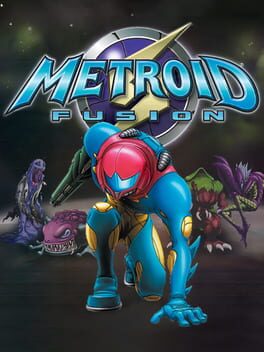
Samus Aran returns in Metroid Fusion, a side‑scrolling adventure that pushes the series into darker territory. Set on the Biologic Research Center, the game mixes tight shooting, puzzle‑solving, and atmospheric storytelling. The title refines classic Metroid mechanics with new abilities, a seamless narrative, and a relentless alien threat, delivering a memorable single‑player experience for both veterans and newcomers.
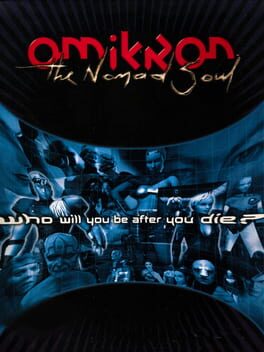
Responding to the desperate pleas of a mysterious character from another dimension, your soul enters the dark and futuristic city of Omikron. This begins an epic adventure through a dazzling parallel world where you must solve the ultimate mystery of your presence and find a way out. Combining a deep plot with adventure, exploration, action, combat, and role-playing elements, the game features exclusive musical performances by David Bowie and his band The Dreamers, captivating players as they battle menacing demons and uncover a vast conspiracy.
- Deep exploration with rewarding upgrades
- Atmospheric and cohesive storyline
- Tight, responsive controls
- Varied enemy and boss designs
- Innovative soul-switching body mechanic that shapes gameplay
- Unique and atmospheric futuristic soundtrack featuring David Bowie
- Deep, ambitious narrative blending cyberpunk and supernatural elements
- Diverse mix of genres including action, fighting, and adventure
- Linear progression compared to earlier Metroids
- Limited replayability after completion
- No multiplayer or co‑op options
- Dated control schemes and graphics by modern standards
- Some gameplay transitions between combat styles can feel jarring
- Challenging difficulty spikes during certain investigation and combat sequences
More alternatives & similar tools
Alternatives to Metroid Fusion
View all →
Explore alien worlds and battle corruption in a groundbreaking first‑person adventure.
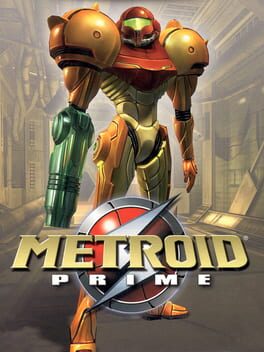
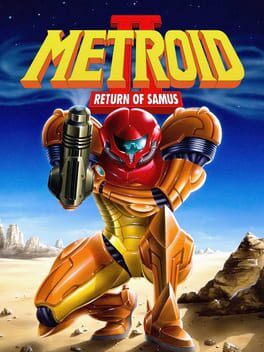
Explore alien worlds and eradicate the Metroids in this classic 2D action‑adventure.
Alternatives to Omikron: The Nomad Soul
View all →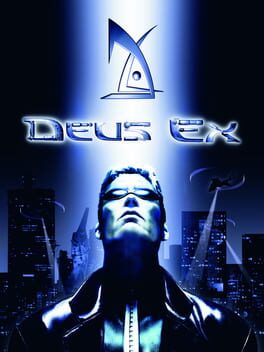
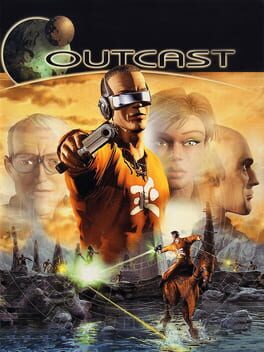
The Verdict
AI-generated from listing dataOmikron offers a unique soul‑switching narrative adventure with dated graphics, while Metroid Fusion delivers tighter controls, higher critical acclaim, and more polished gameplay.
Key differences
- •Soul‑switching body mechanic (Omikron) vs. ability upgrades within a single character (Metroid Fusion)
- •Integrated David Bowie soundtrack (Omikron) vs. classic Metroid atmospheric music (Metroid Fusion)
- •Critic scores: 70/100 (Omikron) vs. 85/100 (Metroid Fusion)
- •Graphics era: 1999 PC/PS1 (Omikron) vs. 2002 Game Boy Advance (Metroid Fusion)
- •Narrative depth: cyber‑punk/supernatural epic (Omikron) vs. concise sci‑fi thriller (Metroid Fusion)
Gameplay & fun factor
Metroid Fusion praised for tight, responsive controls and fluid platform‑shooter action; Omikron’s controls feel dated.
Platform availability
Omikron released on PC and PlayStation; Metroid Fusion limited to Game Boy Advance.
Price & value
Metroid Fusion listed MSRP $39.99; Omikron price not specified, but older titles often cost less now.
Multiplayer / co‑op
Both are single‑player experiences.
Content & replayability
Omikron’s body‑switching creates varied playstyles, offering more replay hooks than Metroid Fusion’s linear progression.
Difficulty & accessibility
Metroid Fusion’s difficulty is balanced with save‑anywhere; Omikron has spikes and less forgiving mechanics.
Graphics & performance
Metroid Fusion’s handheld graphics are polished for its era; Omikron’s 1999 graphics are considered dated.
Choose Metroid Fusion if…
Players seeking polished, responsive action with strong critical reception.
Choose Omikron: The Nomad Soul if…
Fans who crave a unique narrative experiment and don’t mind older controls.
Common questions
Which game has better critical reception?
Metroid Fusion scored 85/100, higher than Omikron’s 70/100.
Do either games support multiplayer?
Both are single‑player only.
Is there a notable soundtrack difference?
Omikron features exclusive tracks by David Bowie; Metroid Fusion has classic Metroid ambience.